Last updated November 17, 2026
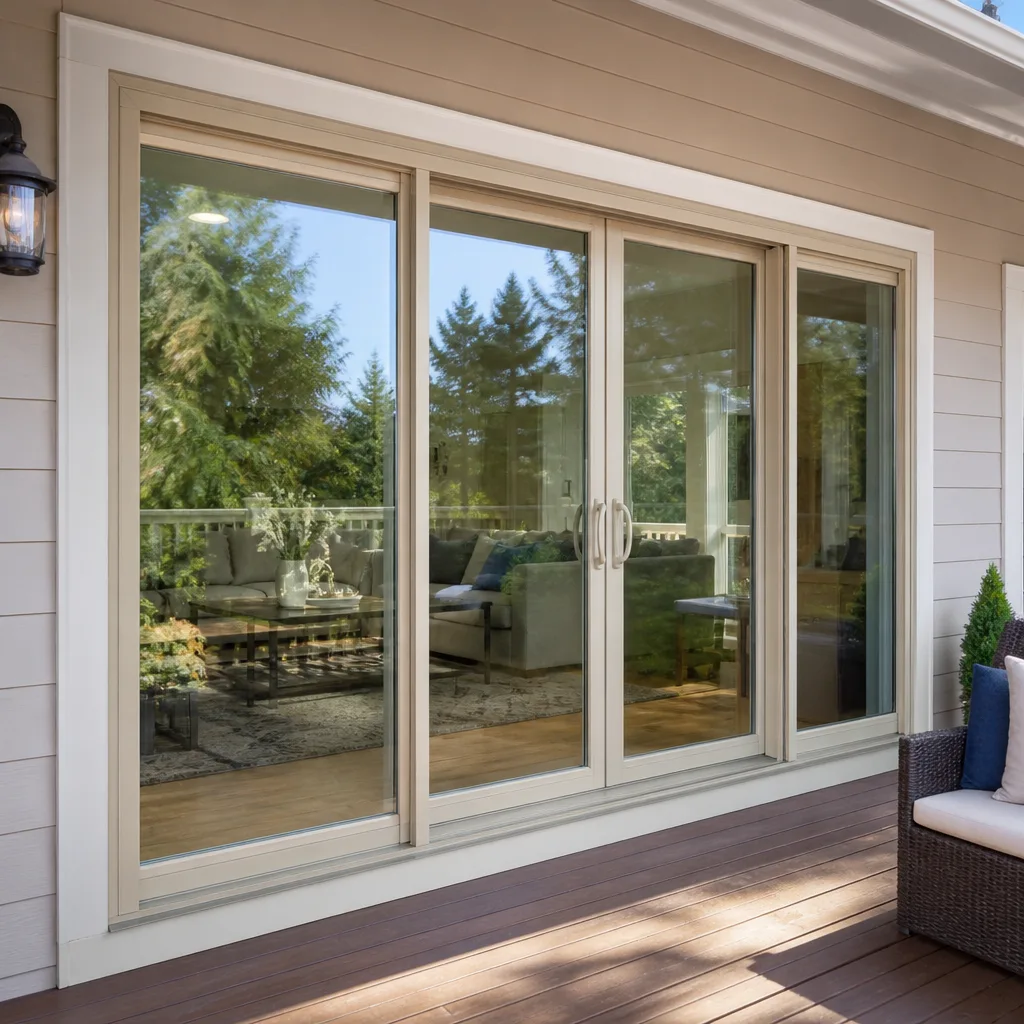 Sliding glass doors
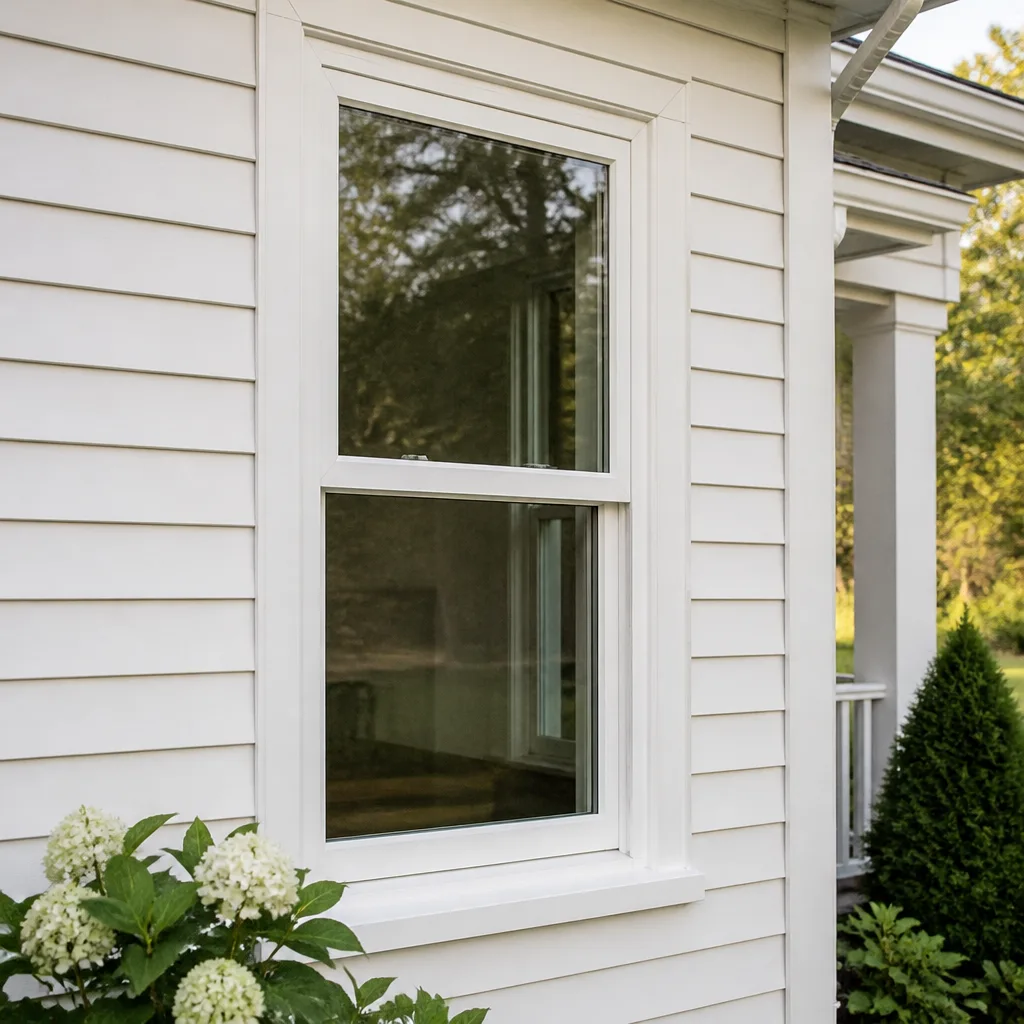 Single hung
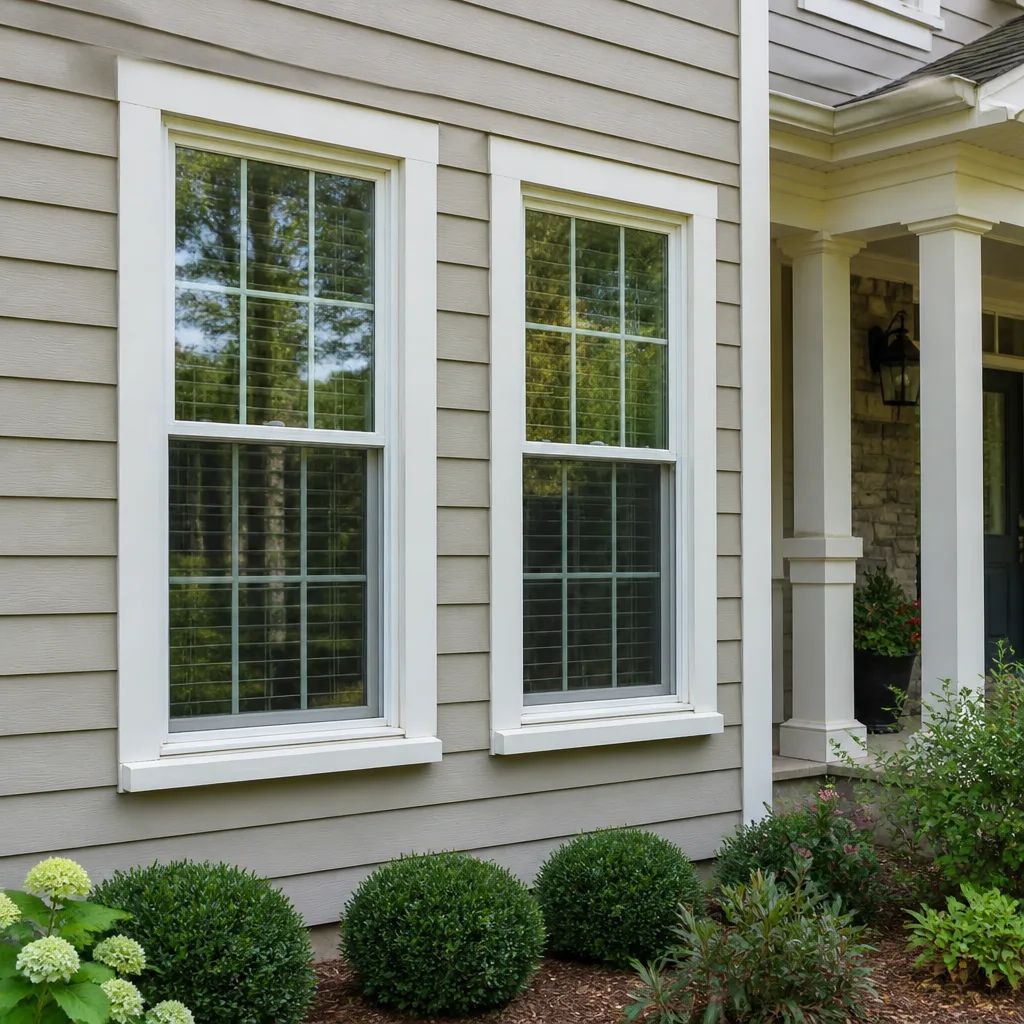 Double hung
 Horizontal roller
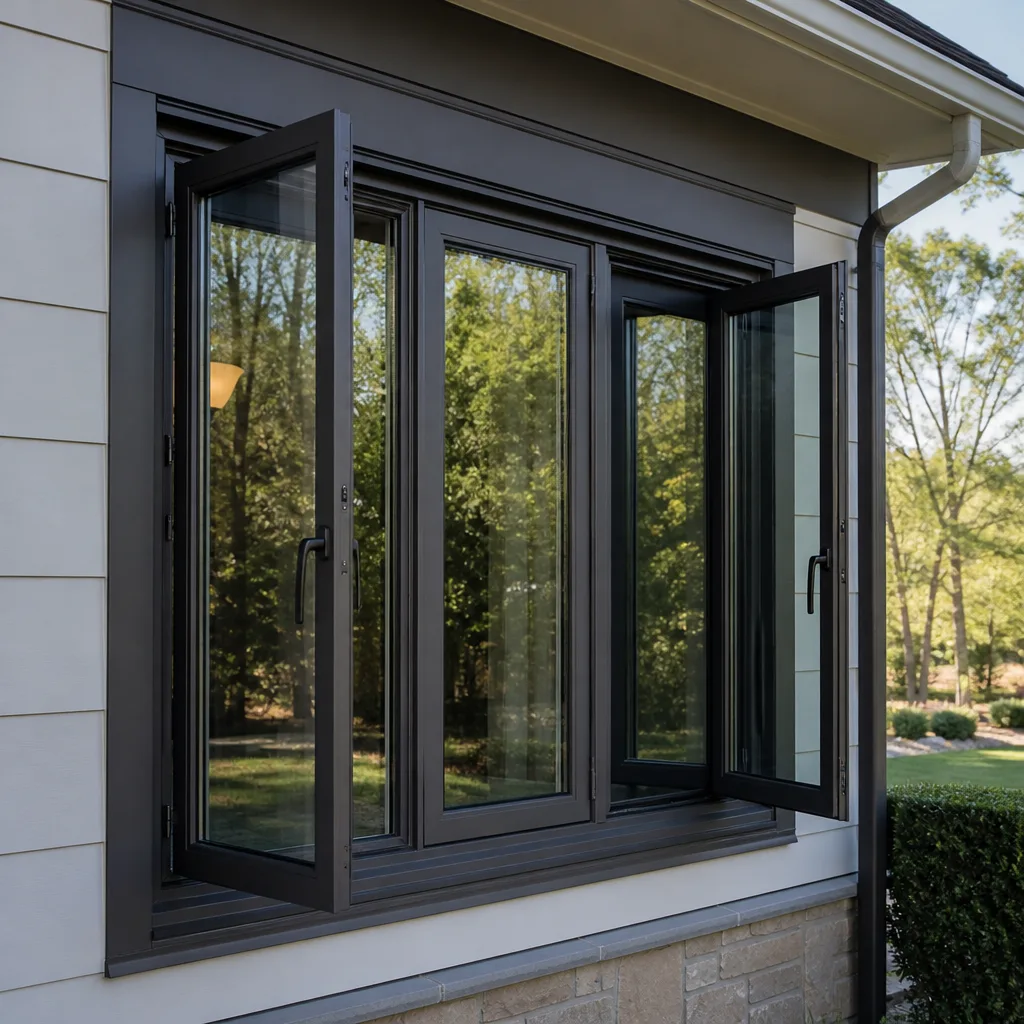 Casement
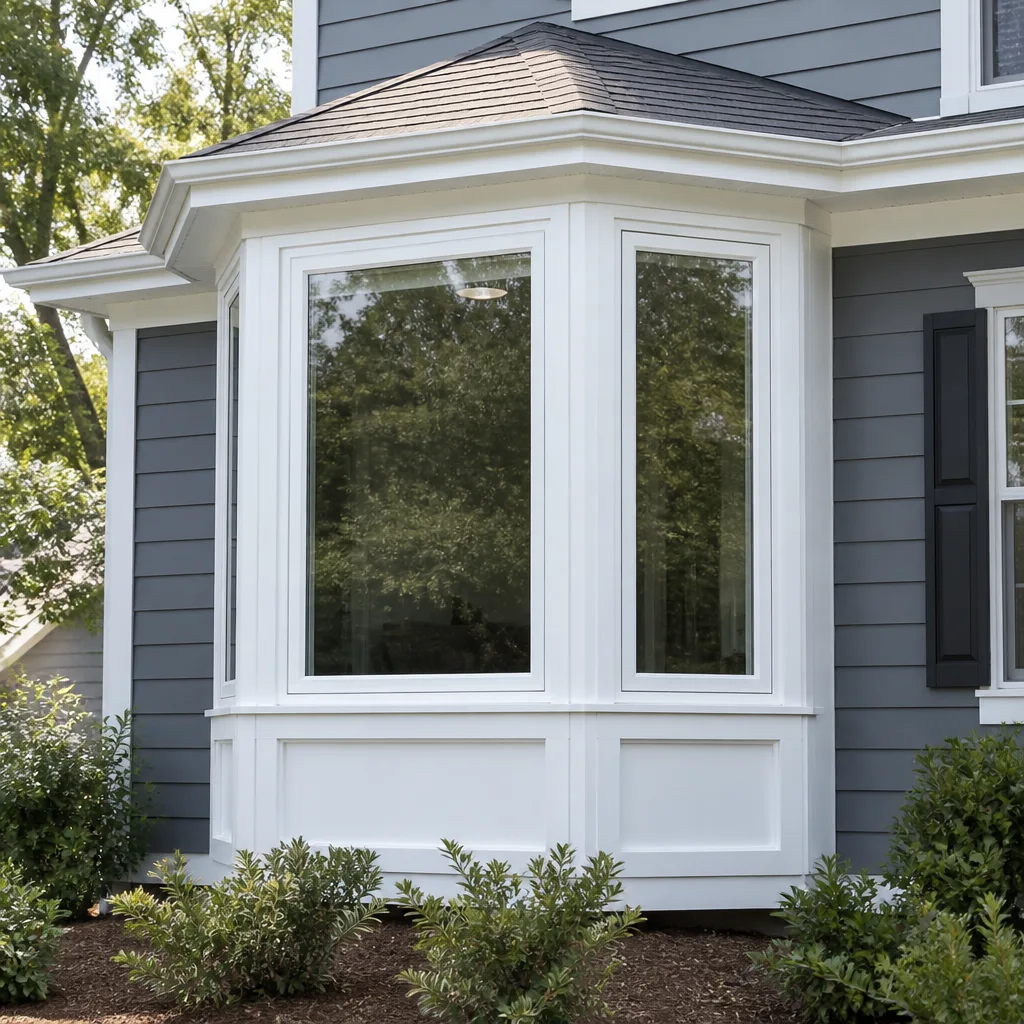 Bay & bow
 Entry doors
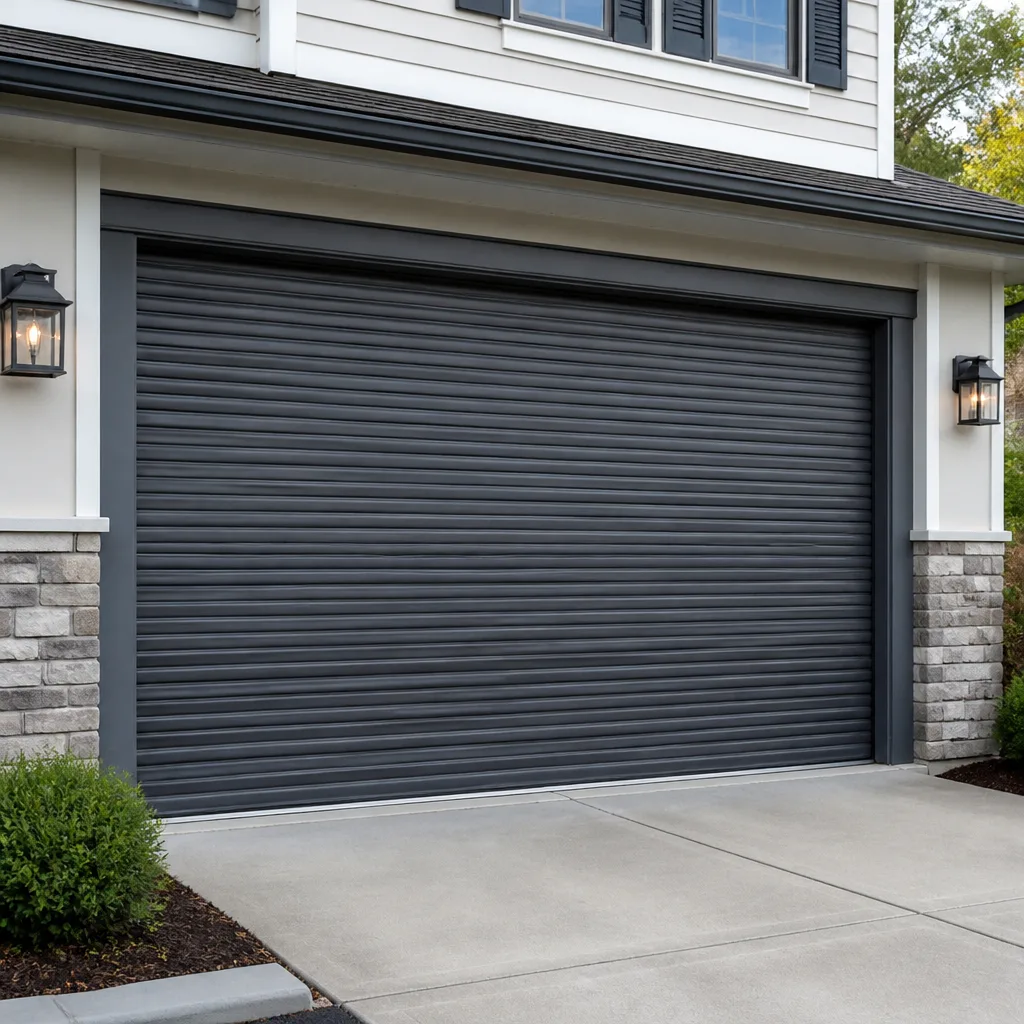
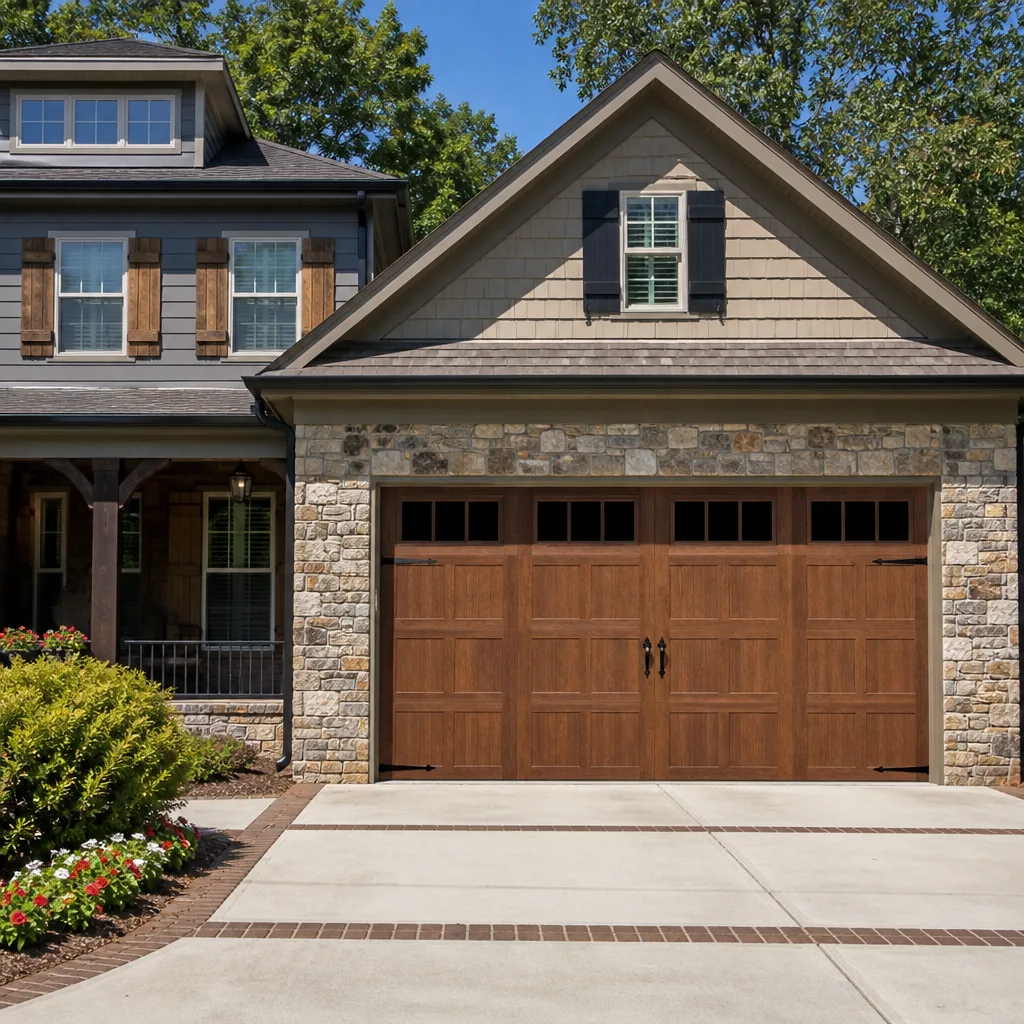 Impact garage doors
 PGT
 CGI
Free in-home measure and quote - PGT, CGI and CWS impact lines compared on your actual openings, style by style
Get your free estimateWindows & Doors Emergency Preparedness Guide for North Las Vegas Homes
Most homeowners treat windows and doors as finish work – something that shapes curb appeal and the energy bill, not something that fails in a storm. Here’s the counterintuitive part: in a high-wind event, the glass itself is rarely the first thing to go. It’s the seal, the glazing bead, the frame anchor, the door threshold. A window you’ve been meaning to look at for three summers doesn’t announce that it’s finished. It just has less margin than you think.
North Las Vegas throws three specific stressors at a house envelope: high wind, extreme heat with the power off, and the occasional hard freeze that a desert city is never quite dressed for. Each one attacks different parts of a window or door, and each needs a different response. This guide walks through all three, plus what to do about post-storm glass, how to document damage for insurance, and who to call when a temporary fix isn’t going to cut it.
Quick Answer
Emergency-preparedness for windows and doors in North Las Vegas means pre-checking frame seals and glazing beads before a high-wind warning, planning how you’ll manage interior heat if the power cuts out in a heat wave, and knowing the difference between a cracked pane and a failed seal so you board up without wrecking the frame. Most emergency window and door damage here comes from deferred maintenance, not glass strength. A pre-season inspection costs far less than a mid-storm panic.
Styles & brands we work with
- Single hung
- Double hung
- Horizontal roller
- Casement
- Bay & bow
- Sliding glass doors
- Entry doors
- Impact garage doors
- PGT
- CGI
Table of Contents
- High-Wind Events: Which Windows and Doors Are Actually at Risk
- What Actually Works for Temporary Reinforcement (and What Doesn’t)
- Extended Heat Outage Protocol: Managing Interior Temps Without Power
- Post-Storm Glass Damage: Cracked Pane vs. Failed Seal
- Hard Freeze Response: Thresholds, Hardware, and Bottom Sweeps
- Who to Call and What to Document After Weather Damage
- Avoiding Contractor Fraud After a Storm in Clark County
- Building a Seasonal Preparedness Routine
High-Wind Events: Which Windows and Doors Are Actually at Risk
North Las Vegas recorded a wind gust of 72 mph in 2021. That’s the kind of number that should reset how you think about wind exposure. It’s enough to compromise any window or door with a degraded frame seal or a failed glazing bead, and it can turn a maintenance-deferred problem into an emergency in under 30 seconds. The glass rarely fails first. The seal does.
Before a high-wind warning arrives, not during one, walk your exterior walls and rank each unit by vulnerability. Four factors drive that ranking:
- Age and seal condition. Older units with hardening weatherstrip, shrinking caulk lines, or a visible gap along the frame edge are the first to leak air and water under pressure. If you can feel a draft on a still day, wind will find that gap immediately.
- Exposure direction. West and south-facing walls take the most sun and the most weather in North Las Vegas. Those elevations weather faster and should be checked first.
- Frame condition. Wood frames that have been painted over repeatedly trap moisture. Vinyl frames with loose corners or cracks at the weld fail earlier than a solid one. Aluminum frames can pit after years of sun exposure.
- Glazing bead and seal. The rubber or vinyl strip that holds the glass in place is a wind vulnerability. Lift a corner with a plastic tool. If it’s stiff, cracked, or pulling away, that unit is a candidate for failure.
The same logic applies to entry doors. A door that’s out of square or has a worn threshold seal will catch wind and lift on the hinge side. Not a security failure, but a water-damage and heat-loss failure. Sliding patio doors tend to be the weakest element in an older home because the track collects grit and the rollers wear out.
Rank your units in three tiers: watch, fix this season, replace. The “watch” tier is fine. The “fix this season” tier needs a bead strip, fresh caulk, or a threshold adjustment. The “replace” tier – usually a unit past the point of easy repair, often with an IGU that has fogged or a frame that has lost its seal – is where a proper window replacement decision gets made. Do it before a wind event, not after.
What Actually Works for Temporary Reinforcement (and What Doesn’t)
When a high-wind warning has already been issued, the moment for replacement has passed. The goal now is protecting the units you have. Some of what you’ll read online about temporary reinforcement is useful. Some of it is worse than doing nothing.
What works:
- Move patio furniture, pots, and trash bins indoors or into a garage. Flying objects break glass far more often than wind pressure does. This is the single highest-value pre-storm action.
- Close and lock every window and door. A latched window resists pressure better than an unlatched one because the lock ties the sash to the frame. Sliding doors need the lock engaged and, if you have one, the security bar seated.
- Apply storm-rated film or temporary plywood sheathing to vulnerable glass only where you can anchor it to a stud or solid frame. Never tape an entire pane – this does nothing for pressure and can create larger, more dangerous shards if the glass does break.
- Use the manufacturer-designed storm panel or shutter if your home already has one. If a previous owner installed one, it’s usually the best-performing option on the wall.
- Close interior doors to compartmentalized rooms so that if a window fails, wind pressure doesn’t travel through the whole house.
What doesn’t work, despite what you may have read:
- Taping an X or a star across a pane. It doesn’t strengthen glass, and modern safety glass behaves fine without it.
- Cracking windows to “equalize pressure.” That’s a myth. An open window lets wind and debris inside.
- Leaning plywood against a window without anchoring it. Under real wind load, it becomes a projectile.
- Piling sandbags against the base of a window frame. The bags hold moisture and can rot a frame from the inside.
If you’re not sure which of your windows can accept an anchored panel, that’s a professional question. It’s the kind of thing we’ll look at during a free estimate, and it’s why we keep North Las Vegas Windows & Doors focused on windows and doors alone – we’re not guessing across a dozen trades.
Extended Heat Outage Protocol: Managing Interior Temps Without Power
North Las Vegas hits 110°F in the summer, sometimes higher. When the AC goes down for more than a few hours, and the sun is hammering west-facing glass, a poorly glazed home can become a heat trap. The interior temperature climbs fast, and by mid-afternoon the difference between a manageable house and an unlivable one comes down to how you use the envelope.
You can’t cool a house without power, but you can slow the heat gain. Here’s the protocol, in order of impact:
- Cover the west and south exposure first. Reflective shades, closed blinds, or even packing blankets hung from curtain rods will cut solar gain on that side dramatically. This is the fastest, cheapest intervention available.
- Seal every window and door you’re not using. Close and latch windows. Run a towel along the bottom of exterior doors. If you have a drafty door sweep, tape the gap with painter’s tape. You’re trying to keep the outside air outside.
- Open one pair of windows on opposite sides of the house for cross-ventilation, but only after the sun is off that side. Opening every window at midday just lets hot air inside. Opening the right two windows after sunset pulls cooler night air through.
- Use your window coverings as interior insulation. Cellular shades with a foil backing, blackout curtains, or cheap reflective film applied temporarily to a west-facing pane all reduce the incoming heat. The film is not a long-term solution because it can void a multi-pane window’s warranty if it traps heat – check with your manufacturer before leaving it on for a season.
- Designate a “cool room.” Pick the smallest interior room with the fewest exterior windows, close it off, and keep it sealed. If you have to ride out a multi-hour outage in the middle of a heat wave, this is where everyone convenes.
The configuration that matters most in a heat outage is not a specific product. It’s whether your windows actually seal. A window with a failed IGU or a worn weatherstrip is a hole in your thermal envelope, and no amount of covering up will fix that. If you’ve found yourself closing off rooms every summer, the envelope is telling you something. Energy-focused lines like ECO Window Systems and ES Windows exist for exactly this scenario – we carry both because a house that runs hot at 110°F has different needs than one that just looks dated.
Post-Storm Glass Damage: Cracked Pane vs. Failed Seal
After a wind event, the damage reports range from a single star-shaped chip to a whole frame that flexed and never came back. Knowing which category you’re looking at tells you how fast to move and what to do first.
A cracked or chipped pane is usually manageable. A small crack or impact point in a single pane of glass can often be stabilized with clear tape on both sides for the short term. It’s not fixed, but it’s contained. Call for a professional assessment within a few days. A pane that is fully shattered but still held in its frame by the glazing bead is also manageable – don’t pry it out, don’t put pressure on the bead. Cover it from the outside with a sheet of plywood anchored to the studs, not to the frame.
A failed frame, IGU seal failure, or visibly bowed sash is a different call. Signs to look for:
- The frame is out of square – a formerly snug window or door no longer closes or latches.
- There’s fogging or moisture between panes on a dual-pane unit. That’s the IGU seal failure, and the glass needs replacing; the frame may or may not.
- The glazing bead is lifted, cracked, or missing along a section of the frame.
- You can see daylight or feel a persistent draft along an edge that was tight before the storm.
Any of those means the unit’s structural integrity is compromised. A cracked pane is a repair. A compromised unit is an emergency because the next wind event can push it further, and because water intrusion through a failed seal causes interior damage you won’t see until the drywall starts to bubble. This is a job for an in-person look, not a phone assessment.
Boarding up matters here, but board-up done wrong can do more harm than good. Two rules: (1) anchor to the wall studs, not to the window frame, and (2) don’t caulk or seal the board tight against the frame – you want the frame to be able to dry if it got wet. A properly installed board protects the opening; a poorly installed one transfers wind load into the frame you’re trying to save.
Hard Freeze Response: Thresholds, Hardware, and Bottom Sweeps
North Las Vegas doesn’t freeze often, but it does freeze. A hard cold snap – temps below 25°F – is a genuine event here, and doors are where it shows first. Most desert homes were not built with the door assemblies that a colder climate would demand. That’s fine for most winters. It’s not fine when the temperature drops hard and the exterior hardware, threshold, and bottom sweep are doing work they weren’t specified for.
Before a hard freeze, check these:
- Door bottom sweep condition. Look at the sweep along the bottom of every exterior door. If it’s cracked, stiff, or has a visible gap, it won’t seal thermally when the door and frame contract. That gap lets cold air in and lets warm air out – and in a hard freeze, a drafty entry door can push a heating system harder than it’s sized for.
- Threshold and sill condition. A sill that has taken years of sun exposure may have hairline cracks that open up when the material contracts in cold. Water gets in, freezes, and pushes the crack wider. If you see any cracking, seal it before temps drop.
- Hardware and hinges. Exterior hinges and locksets contract with the door frame. A door that closes smoothly in October can stick or fail to latch in January. Don’t force it – adjust the strike plate or the hinges.
- Weatherstripping along the sides and top. Foam or vinyl weatherstrip hardens in cold. A strip that sealed in the fall can leak in a freeze. Check by running a hand along the interior jamb while the door is closed.
- Sliding glass door tracks. Snow is rare in North Las Vegas, but ice and grit in a track can freeze a slider shut. Keep the track clean and dry through the winter.
A Therma-Tru entry door is a common consideration when a door has reached the end of a long service life and the hardware has gone soft on it. We carry Therma-Tru because the door assembly is designed to keep its seal under thermal movement better than most of what’s on the market. If your threshold and sweep are shot and the door itself is on its last legs, a proper window installation-grade entry replacement is often the answer – same team, one scope of work from removal to final install.
Who to Call and What to Document After Weather Damage
If a wind event, storm, or freeze has pushed a window or door past the point of a quick fix, you have two parallel jobs: get it assessed, and document it. Do them in that order, but do them both before you move anything.
Document first. Then fix. Insurance adjusters want to see the damage as it was, not as it was covered up. Before you board, tape, or move anything:
- Photograph each damaged unit from outside and inside. Get a wide shot of the elevation, a mid-shot of the window or door, and a close-up of the damage. Include a photo with something for scale next to the damage.
- Photograph the cause if it’s visible. A downed limb, a cracked frame joint, a lifted glazing bead, water staining at a sill. Anything that explains how the damage happened.
- Write down dates, times, and the weather event. Note the wind or storm reports from the day. Note when you first noticed the damage.
- Keep every receipt from a temporary fix. Board-up material, tape, protective supplies. Those can sometimes be recovered as part of a claim.
- Get a written assessment from a professional before you call the insurer if you can. A written scope that names the damage and the repair helps the adjuster’s job, and it makes the claim conversation shorter.
We can work with your insurer. We’re a windows-and-doors specialist – that’s a much narrower scope than a general contractor, and it usually makes the insurance paperwork cleaner on our side, because the assessment covers one trade and one set of products. Call us before you start calling restoration companies. Our team has up to 14 years of experience assessing window and door damage, and a free estimate is the standard first step.
Avoiding Contractor Fraud After a Storm in Clark County
Post-storm conditions are when the door-to-door pitches begin. Some are legitimate local businesses. Some are not. The pattern is predictable: a “storm damage specialist” knocks on your door, points at your windows or roof, offers a “today-only” price, asks for a large deposit up front, and vanishes after doing partial work or none at all. Roofing fraud gets the most attention, but window and door scams follow the same script.
Protect yourself with these rules:
- No same-day decisions. A legitimate window or door specialist will happily come back tomorrow with a written estimate. Pressure to commit on the spot is the single biggest red flag.
- Get it in writing, line by line. Brand, model, glass package, frame material, removal, installation, disposal, permits (if required). A verbal quote with a lump sum is not actionable.
- Verify the business, not just the business card. Ask for the state license number and look it up. Ask for a certificate of insurance.
- Never pay the full job up front. A deposit is normal. Payment in full before the work begins is not.
- Know what product you’re buying. If the salesperson can’t name the manufacturer or the specific line, walk away. We name our brands because we stand behind the difference between them. PGT and CGI for impact-rated and storm-resilient applications; ECO Window Systems and ES Windows for energy performance; CWS and ViewLux where the specific configuration fits; Therma-Tru for entry doors.
- Check the installation scope. A storm-chaser may quote you a window replacement and then hand off the install to an unknown crew. Ask who’s doing the removal and who’s doing the install – and confirm it’s the same team.
Clark County doesn’t require a specialty license for windows and doors specifically; the general contractor and specialty classifications apply, and you should still ask for proof of insurance. If you’re not sure what to ask, call us and we’ll tell you what we look for. It’s the same conversation we have with homeowners in North Las Vegas every week.
Building a Seasonal Preparedness Routine
Preparedness isn’t a one-time thing. It’s a seasonal walk-through, and once you’ve done it a few times it takes about half an hour. Here’s the routine we recommend for a North Las Vegas home.
Spring (before wind and heat season):
- Walk every exterior elevation. Look for lifted glazing beads, cracked sealant, and rust stains at the frame.
- Open and close every window and door. Note which ones stick, which ones don’t latch, and which have drafts.
- Check sealant along every frame and sill. Re-caulk any gap wider than a credit card edge.
- Clear the patio of anything that could become a projectile in wind.
Summer (heat season):
- Test window coverings on west and south exposures. Make sure each one actually blocks light.
- If you have critical equipment or medications that need stable temps, plan where they go if the AC cuts out.
- Look for any window with fogging between the panes. That’s an IGU seal failure, and it’s a candidate for replacement before the hottest stretch.
Fall (before freeze season):
- Check door bottom sweeps, threshold seals, and side weatherstripping on every exterior door.
- Apply any needed caulk at threshold cracks.
- Test door hardware for latching in a fully closed position.
Winter (freeze response):
- Check weatherstripping on the coldest morning of the year, not just on a mild day.
- If a hard freeze is forecast, follow the threshold and sweep checklist in the freeze section above.
Common Mistakes to Avoid
- Taping an entire pane of glass before a wind event. It doesn’t strengthen the glass, and it can create larger, more dangerous shards if the unit does break. Boarding or film anchored to the frame is the useful intervention.
- Cracking a window “to equalize pressure.” This is a persistent myth that puts wind and debris inside the house. Windows should be closed and latched in a wind event.
- Confusing a cracked pane with a failed seal. A crack is a repair. A fogged IGU, a lifted glazing bead, or a frame that’s lost its square is a structural issue that needs a professional assessment, not tape.
- Opening every window during a heat outage. That floods the house with hot air. Cross-ventilate with two windows on opposite sides, and only after the sun is off the exposed elevation.
- Leaving reflective film on a dual-pane window for a full summer. Some films trap heat against the glass and can void the window’s warranty. Check with the manufacturer or remove it before the hot months.
- Paying a door-to-door “storm specialist” in full before the work starts. A real local specialist will give you a written estimate and won’t push a same-day decision. Ask for a license and insurance, and look them up.
- Ignoring a door that sticks in winter. A door that doesn’t latch in a hard freeze is a security issue and a heat-loss issue. Adjust the strike plate or hinges; don’t force the door.
See the difference
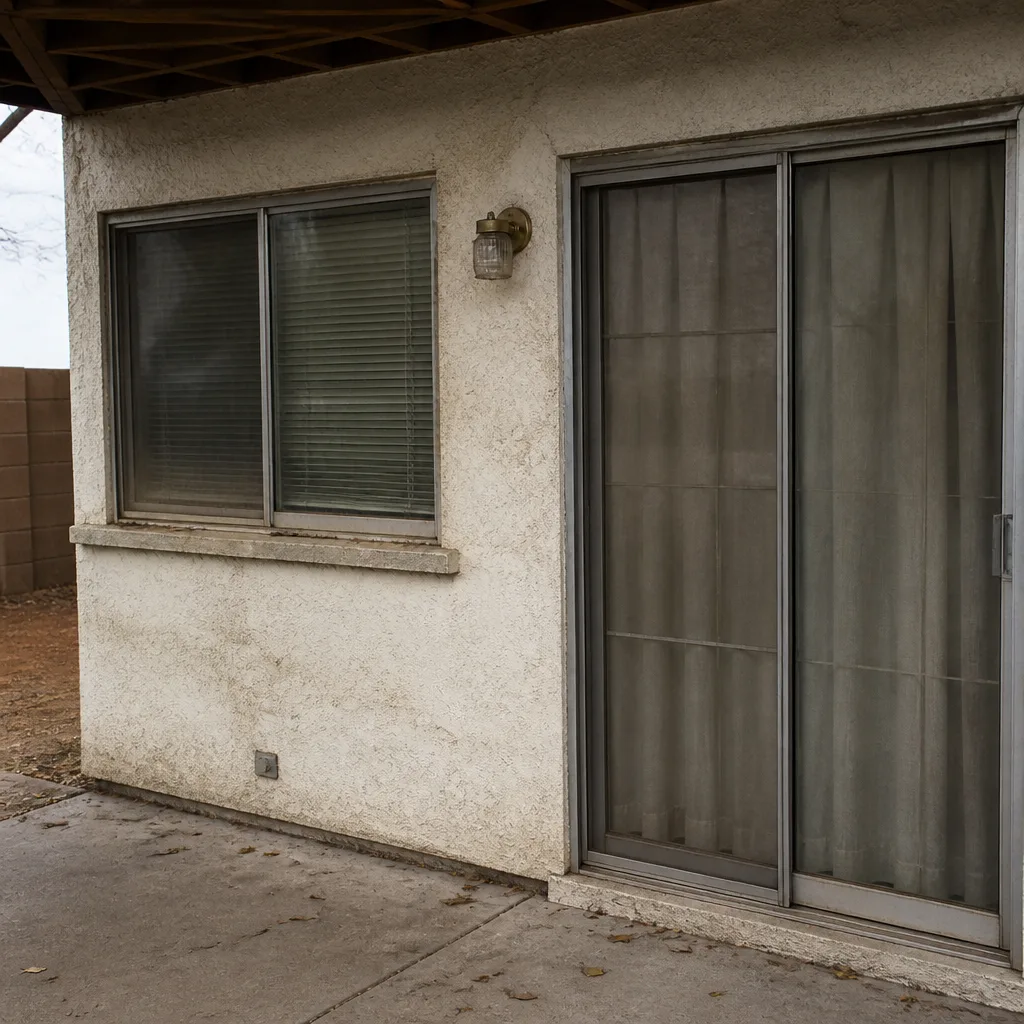 Before
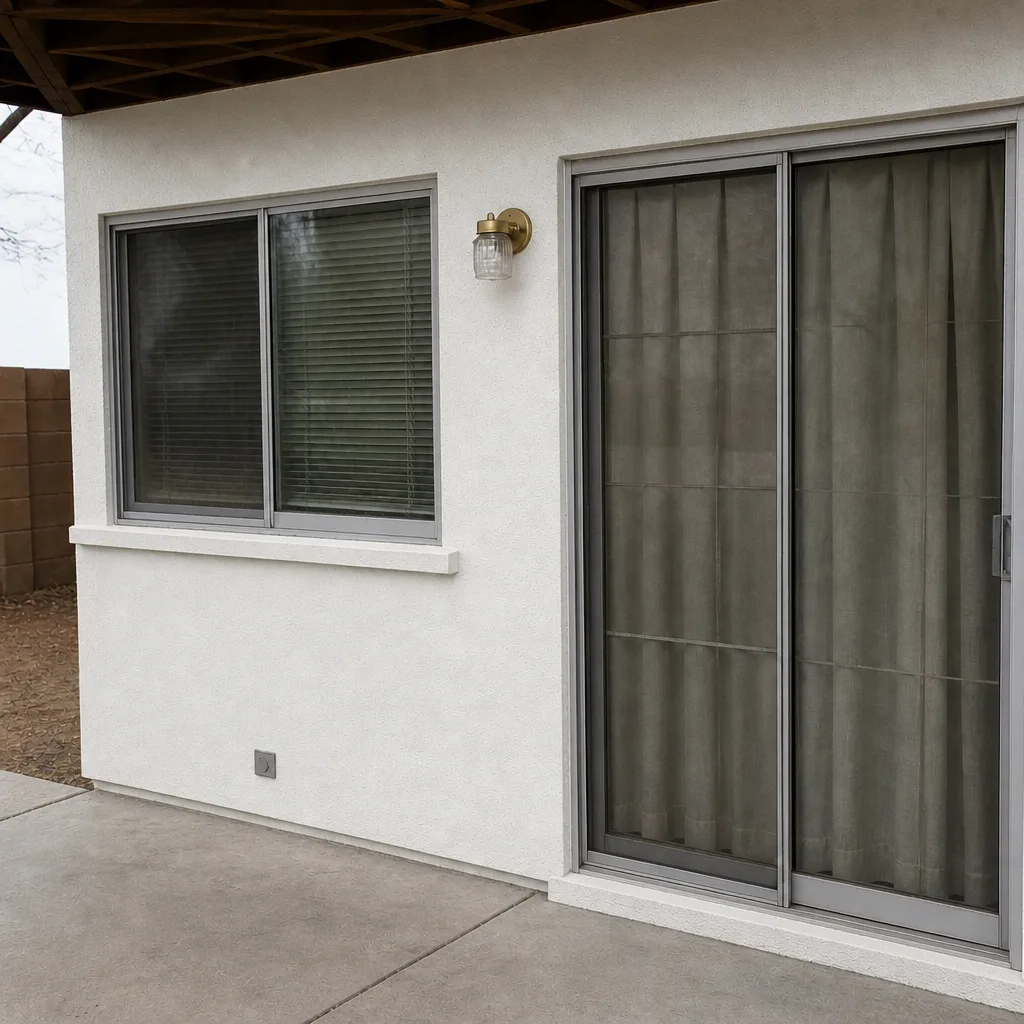 After
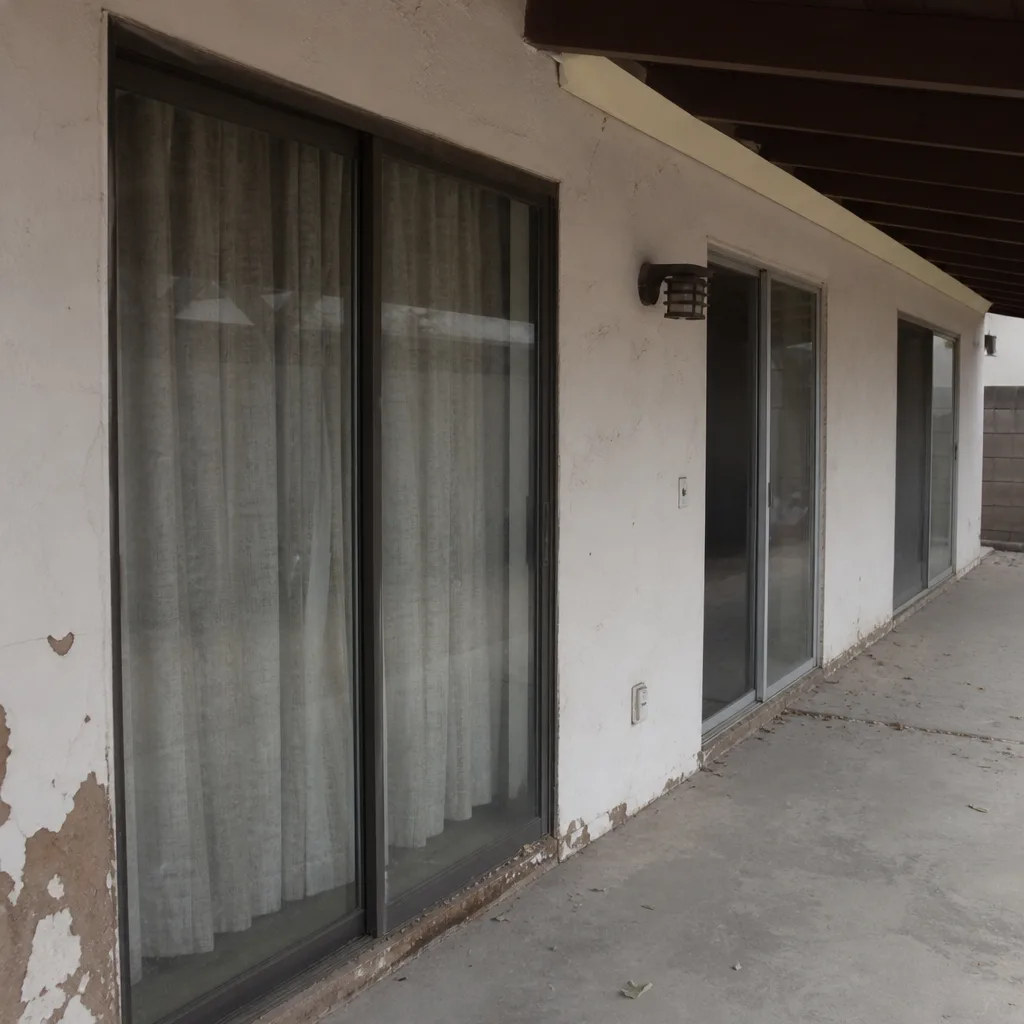 Before
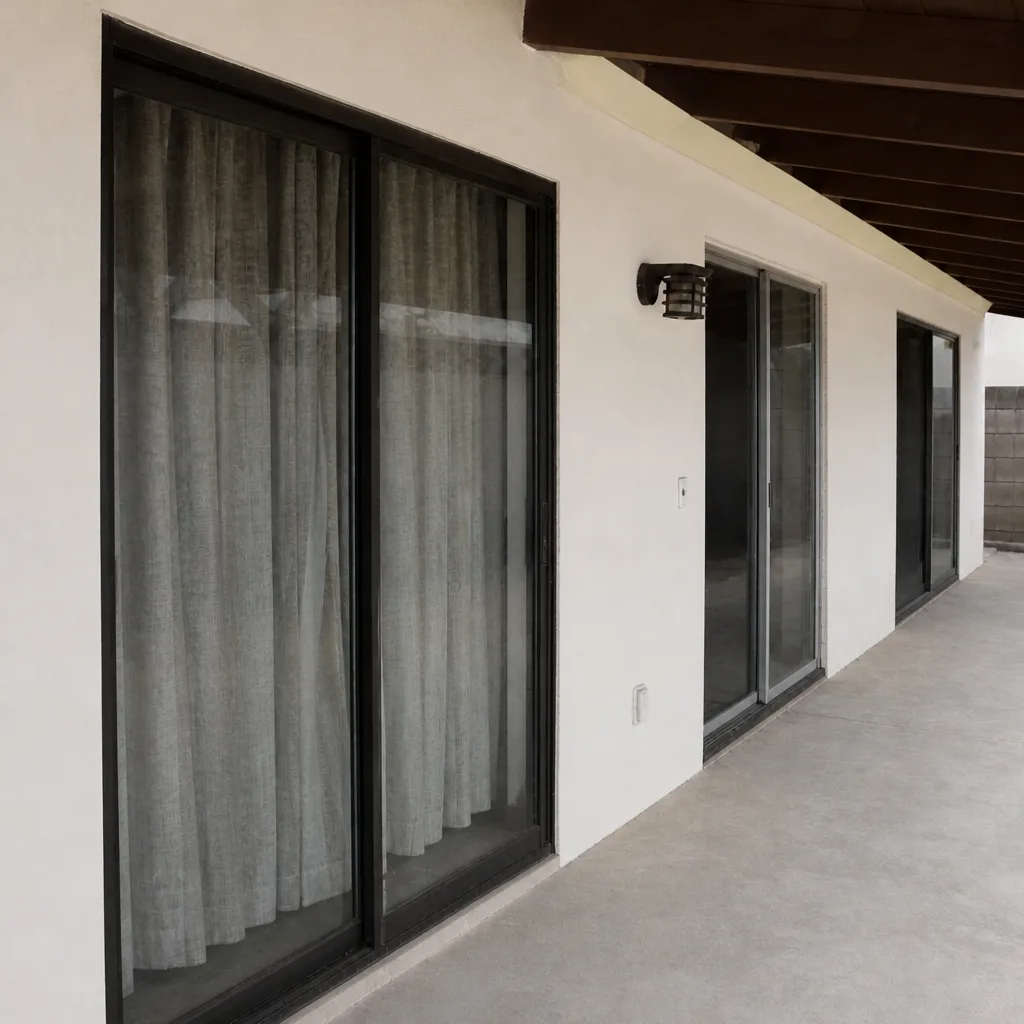 After
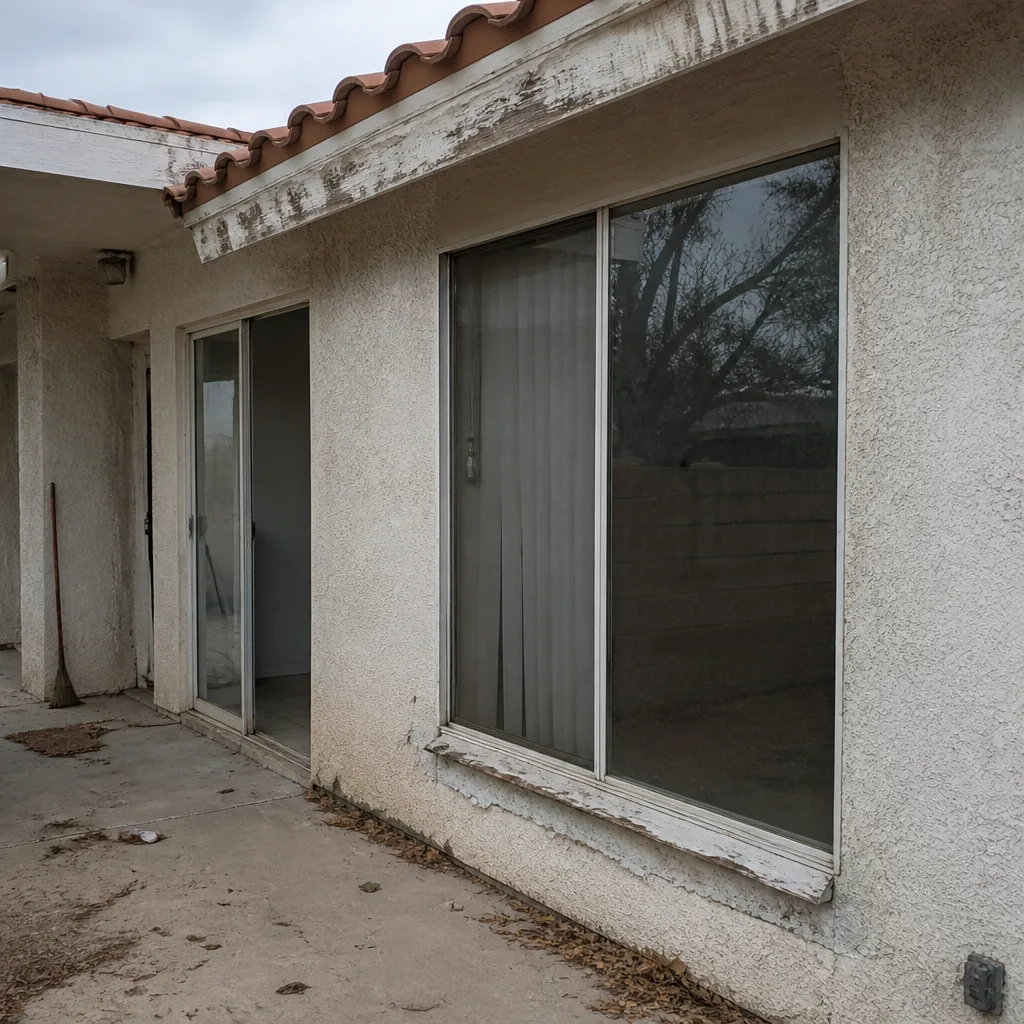 Before
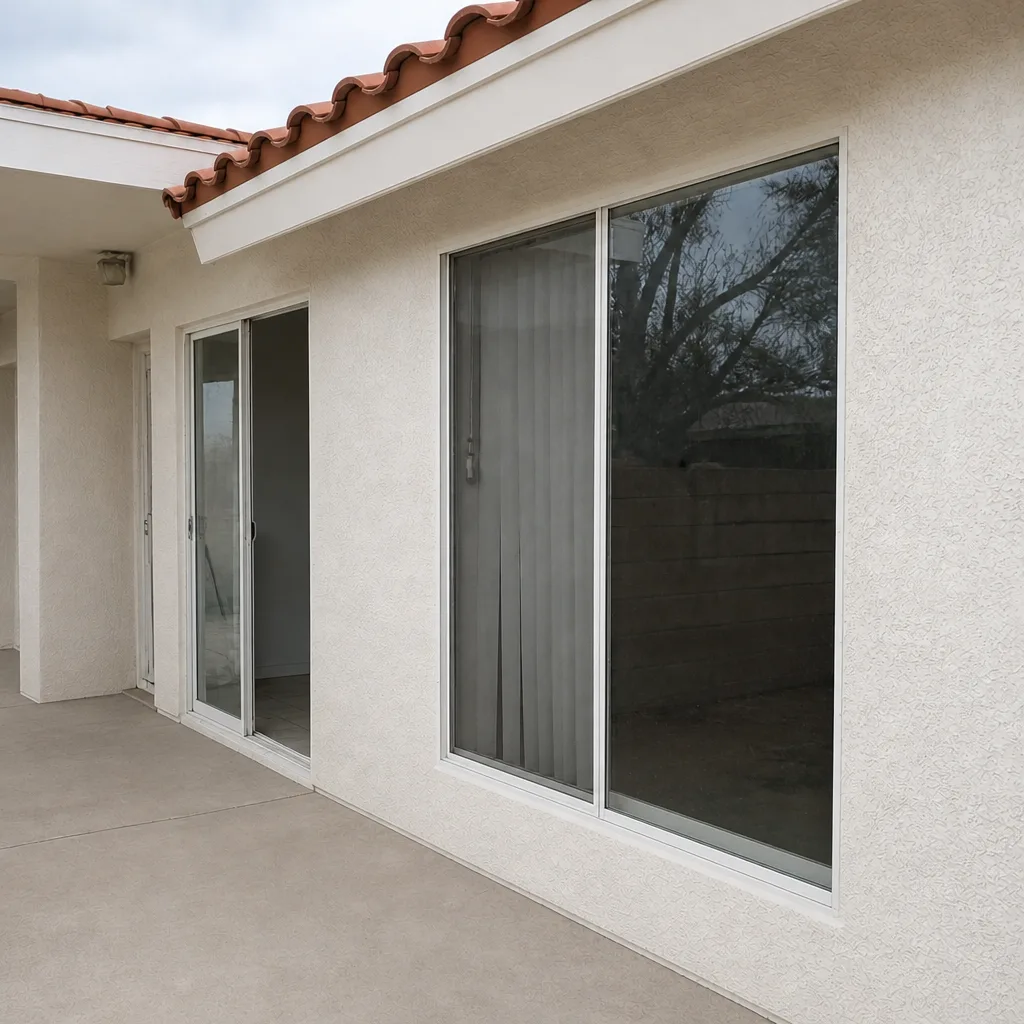 After
When to Call a Professional
Some window and door problems are a Saturday project. Others aren’t, and the line between them matters. Call a professional when:
- A glazing bead is lifted or missing, or the frame is out of square after a wind event.
- There’s fogging or moisture between the panes of a dual-pane unit.
- A window or door has started leaking at the frame or sill, even if the leak is slow.
- A door bottom sweep or threshold has failed and you can’t get an effective seal with replacement parts.
- An insurer has asked for a written damage assessment.
- You can’t tell whether the damage is cosmetic or structural – the wrong “fix” today can cost more than the right one next week.
North Las Vegas Windows & Doors offers free estimates in North Las Vegas. Call (844) 560-4723. We answer 24/7. Fast dispatch from 7am to 7pm, Sunday through Friday.
Frequently Asked Questions
Clear the exterior of anything that can become a projectile, and confirm every window and door is closed and latched. Flying debris breaks more glass than wind pressure alone, and a latched window resists pressure better than an unlatched one. North Las Vegas recorded a 72 mph gust in 2021, so this matters here. Call (844) 560-4723 for a free assessment of your window and door condition before the next wind season.
A crack is visible in the glass itself and can often be stabilized with tape for the short term. A failed seal shows as fogging or moisture between the panes of a dual-pane unit, and it means the IGU needs replacing. If the frame is also out of square or a glazing bead is lifted, the whole unit needs professional review. We’ll tell you which category you’re in during a free estimate in North Las Vegas. Call (844) 560-4723.
Don’t pry the pane out, don’t press on the glazing bead, and don’t caulk a board tight against the frame. Cover the opening from the outside with plywood anchored to the wall studs, then call for a professional assessment. If there’s any question about whether the frame is still sound, that’s an in-person call. Call (844) 560-4723 – estimates are free.
Yes, but the focus is on doors, not windows. A hard freeze below 25°F tightens thresholds, hardens weatherstrip, and stresses bottom sweeps. Check sweeps, thresholds, side weatherstrip, and door hardware before a freeze, and adjust the strike plate if the door isn’t latching cleanly. If your entry door has failed seals and the hardware is worn, a new entry door from a line like Therma-Tru is often the fix. Call (844) 560-4723 for a free estimate.
Impact-rated options from lines like PGT and CGI are worth considering if your home has had repeated weather damage or if you want a higher margin during wind events. Impact-rated builds are designed for storm-resilient applications; they’re not a substitute for maintaining seals and beads. Whether they’re right for your home is a conversation we can have during a free estimate. Call (844) 560-4723.
Photograph every damaged unit from inside and outside before you move or board anything, get a wide shot, a mid-shot, and a close-up, and note the date and the weather event. Keep every receipt from a temporary fix. Get a written professional assessment before calling the insurer if you can – it makes the claim conversation shorter. We can work with your insurer. Call (844) 560-4723 for a free estimate in North Las Vegas.
The Bottom Line
Emergency preparedness for windows and doors in North Las Vegas isn’t about storm shutters alone. It’s about the condition of the frame seals, glazing beads, thresholds, and weatherstrip you already have. The three threats that matter here – high wind, heat outage, and the occasional hard freeze – each attack different parts of the envelope. Handle the pre-season walk-through, know the difference between a cracked pane and a failed seal, board up correctly if you have to, and document before you fix. If a unit has gone past the point of a seasonal fix, it’s time to talk about replacement. We’re specialists in windows and doors, nothing else, and we carry multiple brands so we can match the product to your home – not just what’s easiest to stock. Call (844) 560-4723 for a free estimate. We answer 24/7. Fast dispatch from 7am to 7pm, Sunday through Friday.
Written by the team at North Las Vegas Windows & Doors.