Last updated November 17, 2026
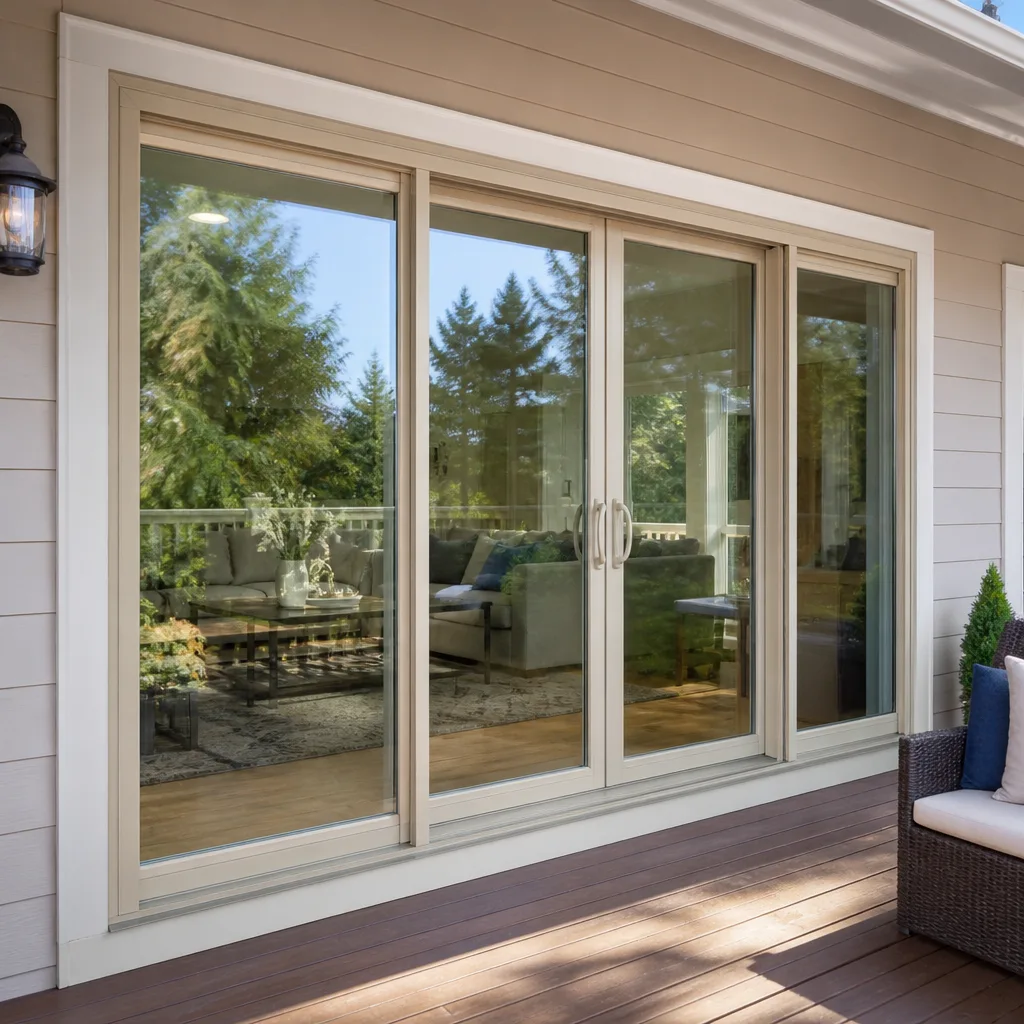 Sliding glass doors
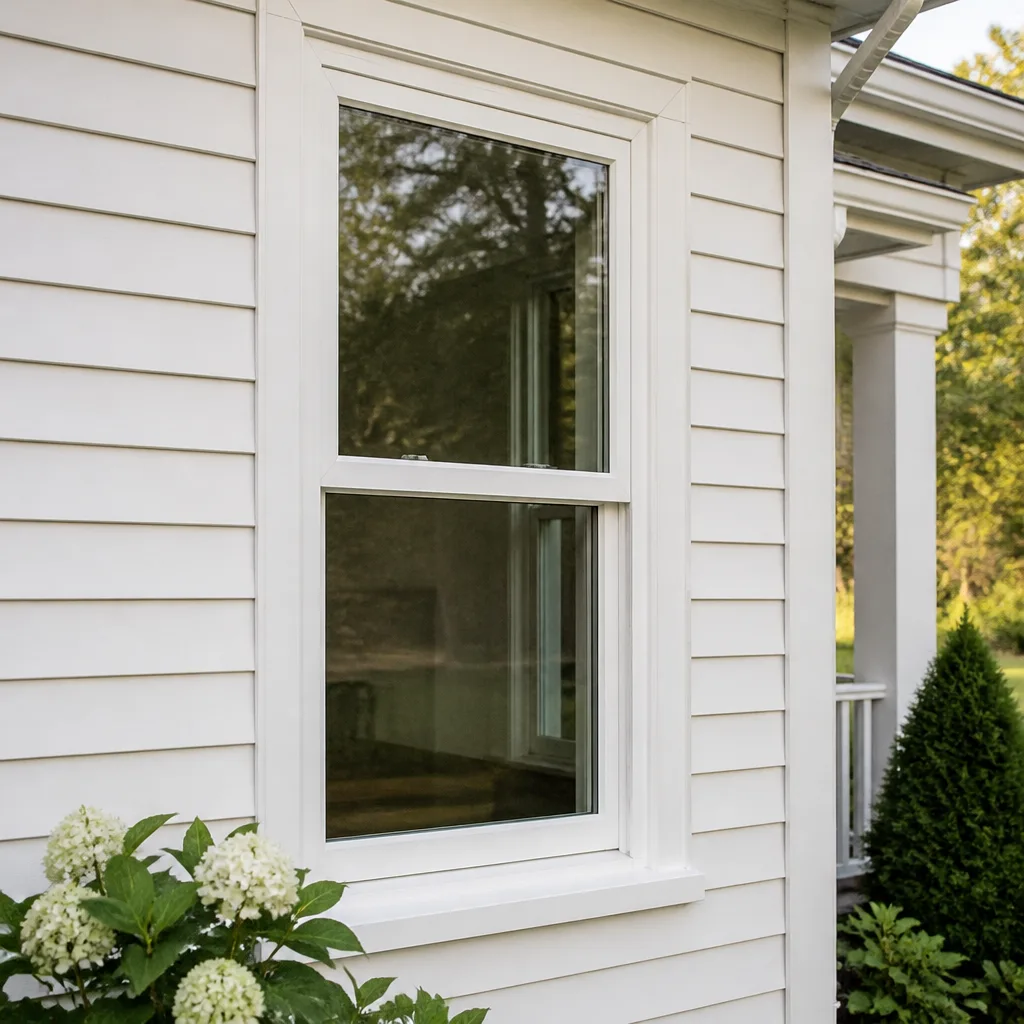 Single hung
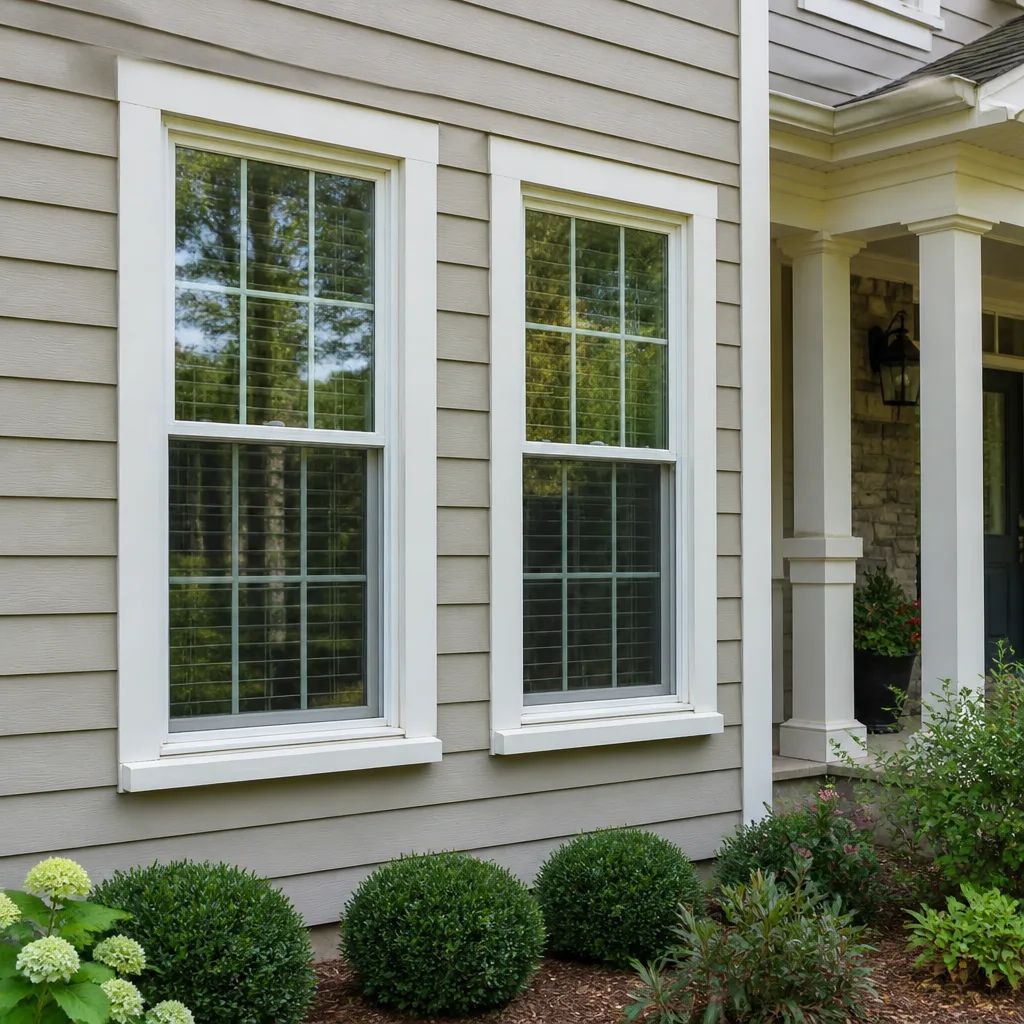 Double hung
 Horizontal roller
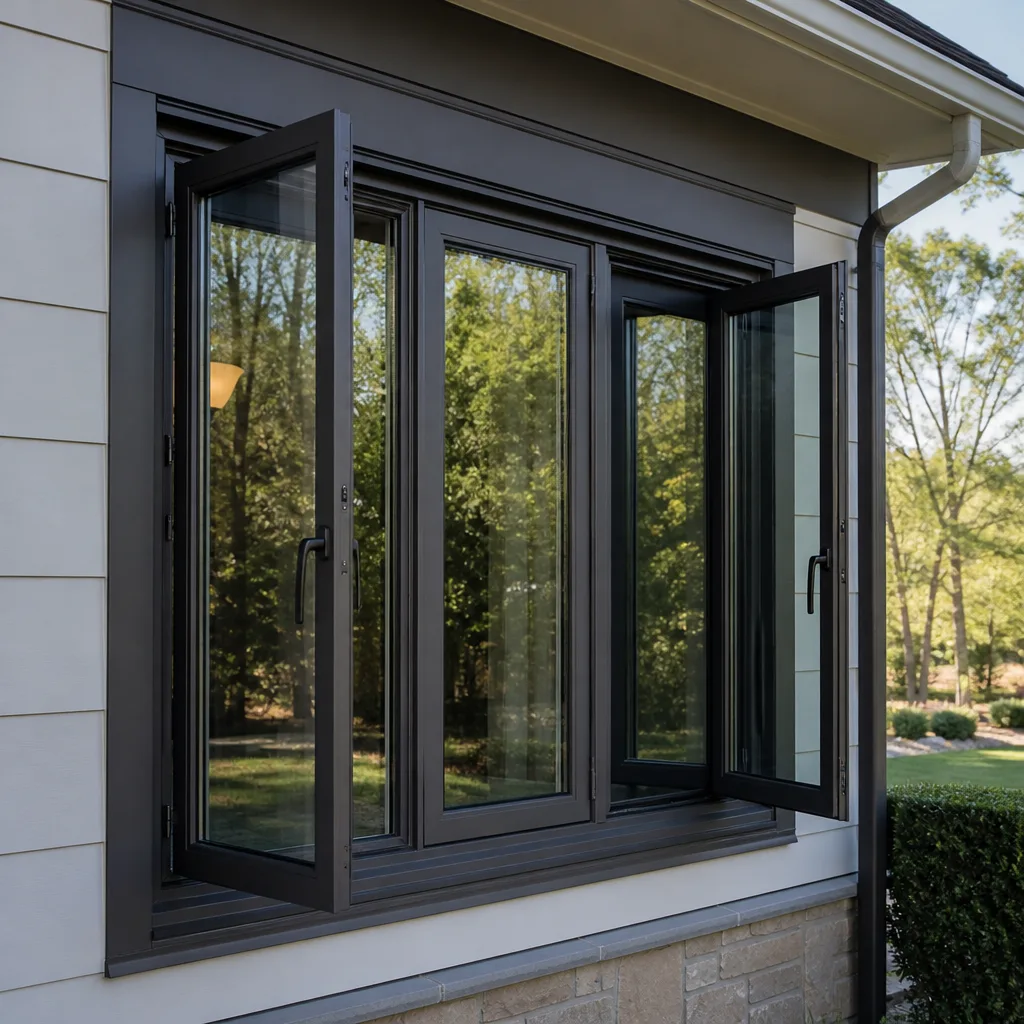 Casement
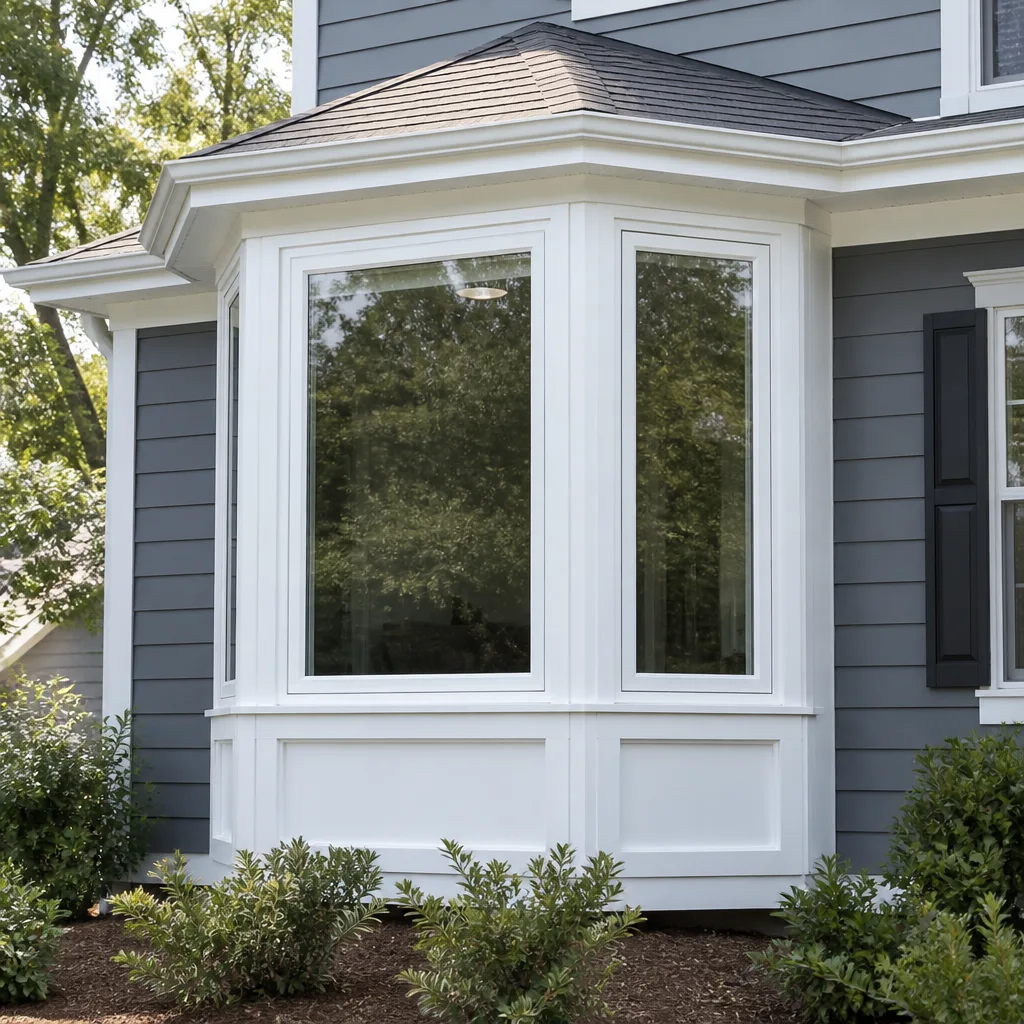 Bay & bow
 Entry doors
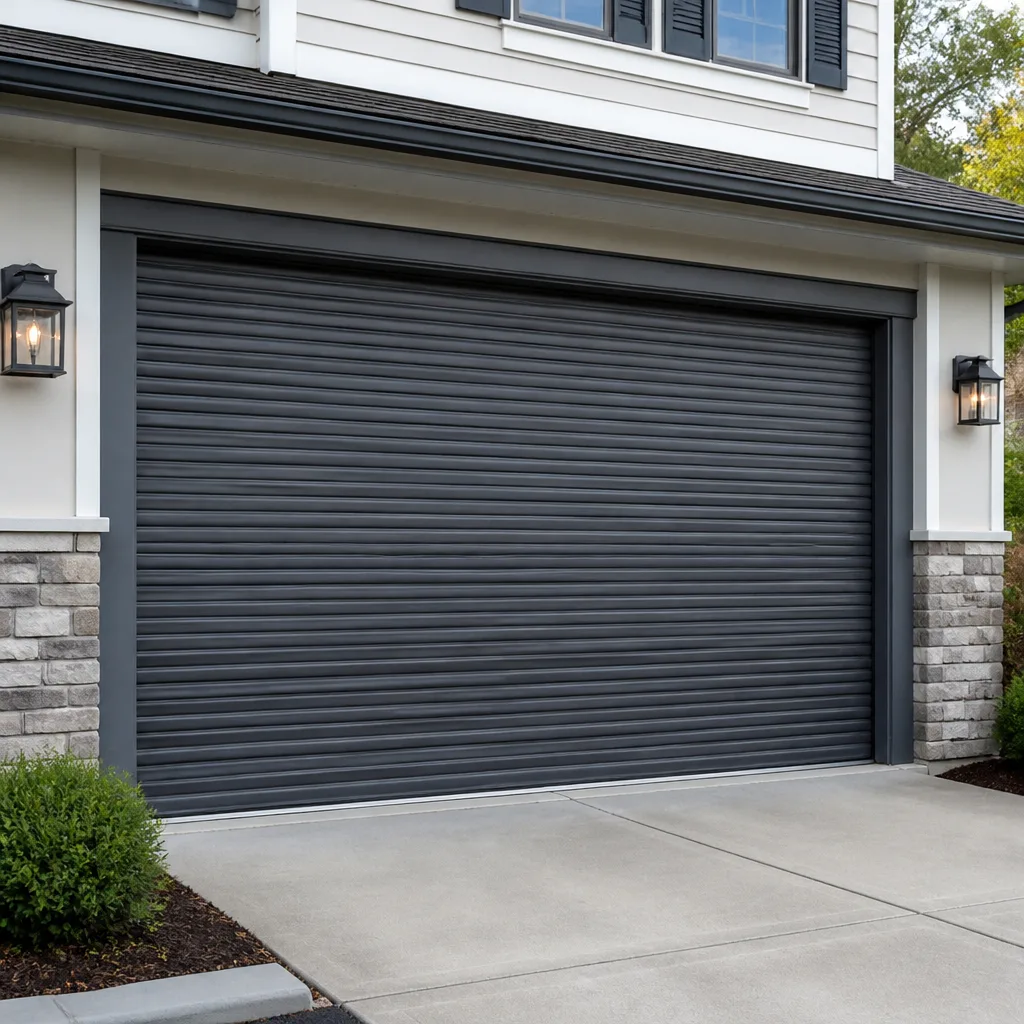
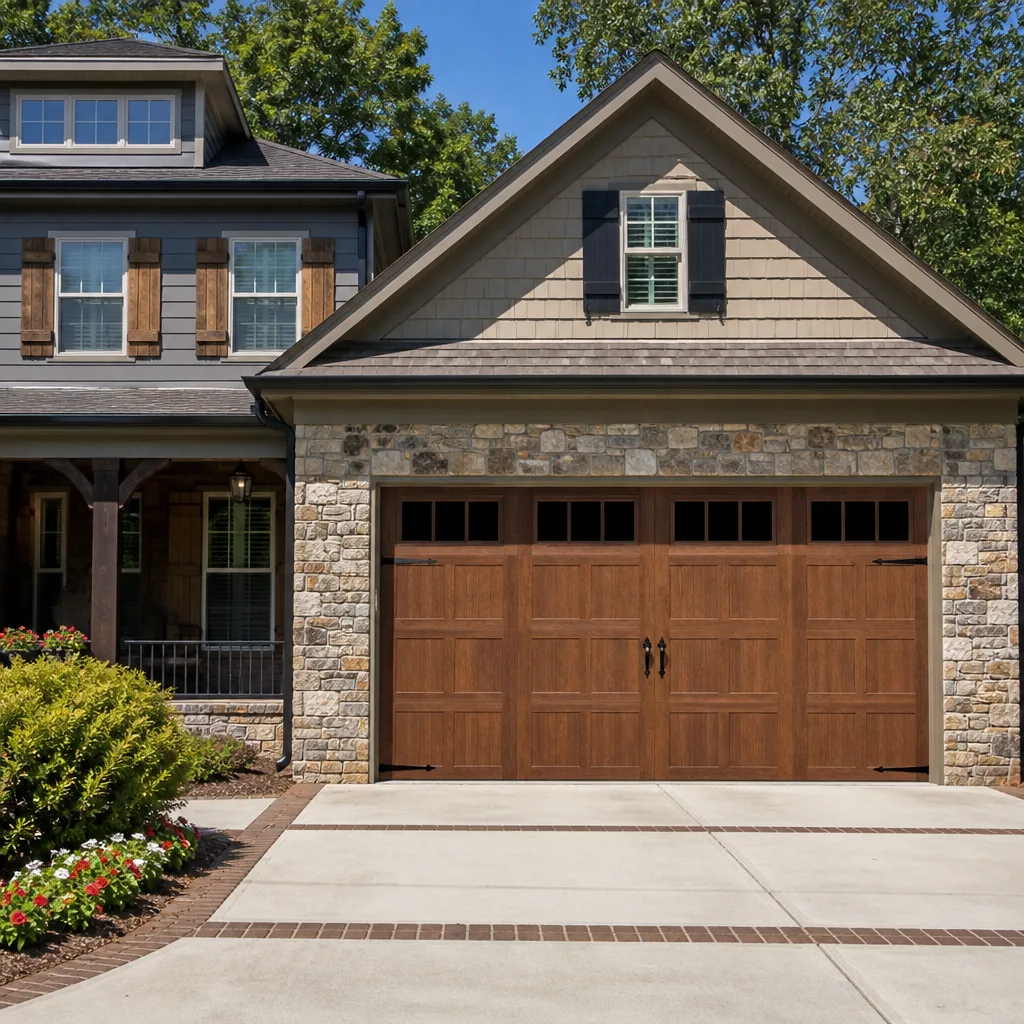 Impact garage doors
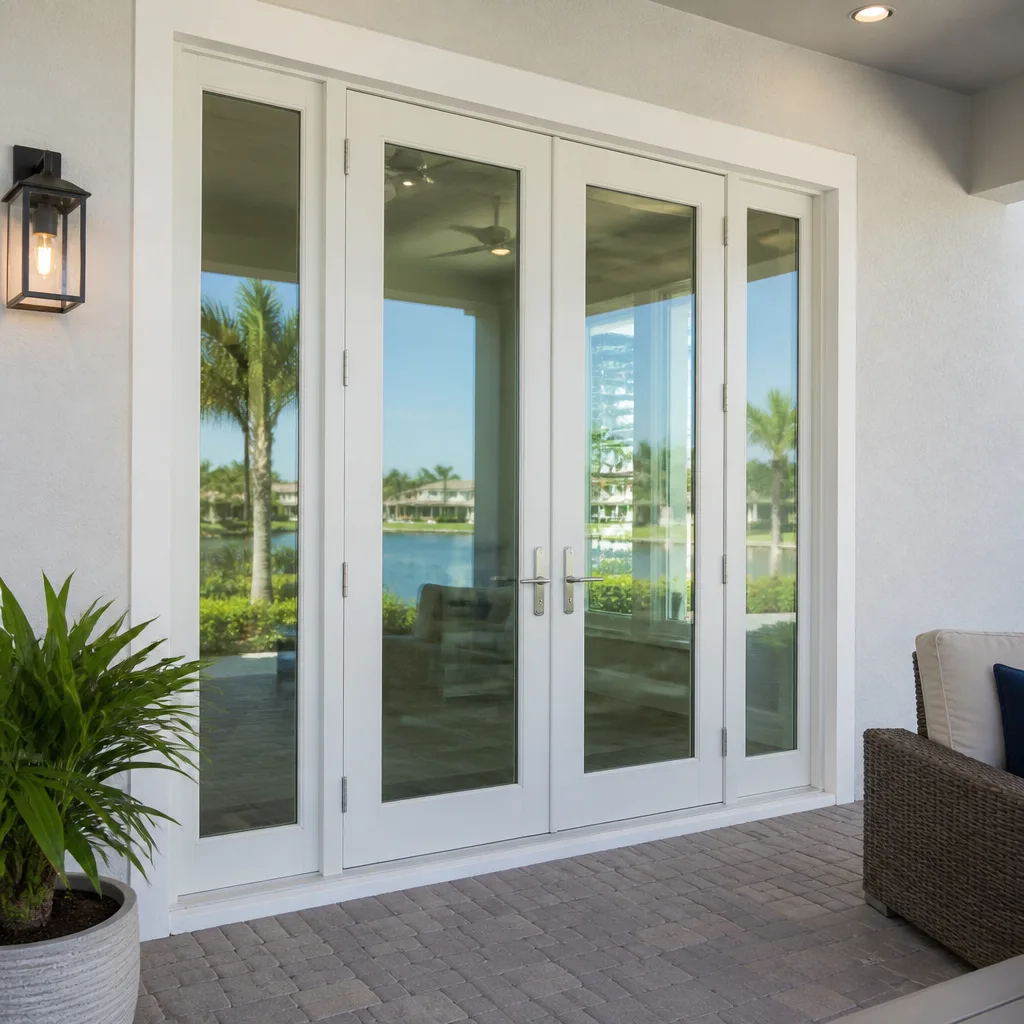 PGT
 CGI
Free in-home measure and quote - PGT, CGI and CWS impact lines compared on your actual openings, style by style
Get your free estimateWindows & Doors Permits, Codes & Inspections in North Las Vegas, NV: What You Need to Know
Replacing a window with one the same size sounds like a simple swap. Pull the old unit, slide the new one in, seal it, done. But here in North Las Vegas, adding a low-E coating or switching to a different glazing type can push a project out of “simple swap” territory and into a category that requires an energy compliance submission under Nevada’s adopted energy code. That single detail catches a lot of homeowners off guard, and it’s the kind of thing that only surfaces when an inspector asks for paperwork nobody prepared. This guide walks through when permits are required, what the energy code demands, how HOAs layer on their own approvals, and why skipping the permit can come back to bite you at resale.
Quick Answer
In North Las Vegas, window and door replacements require a permit whenever you change the size of the opening, alter the glazing type or energy performance of the unit, or install a new door where none existed. A true like-for-like swap, same size, same glazing, same operation, usually qualifies as exempt. North Las Vegas runs its own municipal permitting jurisdiction separate from Las Vegas and unincorporated Clark County, and Nevada’s adopted energy code requires permitted replacements to meet minimum U-factor and SHGC ratings.
Styles & brands we work with
- Single hung
- Double hung
- Horizontal roller
- Casement
- Bay & bow
- Sliding glass doors
- Entry doors
- Impact garage doors
- PGT
- CGI
Table of Contents
- Why North Las Vegas Has Its Own Permitting Rules
- When a Window or Door Replacement Needs a Permit
- Nevada Energy Code and Your New Windows
- HOA Approvals in Aliante, Eldorado, and Beyond
- Rough-In vs. Final Inspections: What Each One Covers
- What Happens If You Skip the Permit
- Pulling Your Own Permit vs. Using a Licensed Contractor
- Choosing a Windows and Doors Specialist
Why North Las Vegas Has Its Own Permitting Rules
North Las Vegas is a standalone city with its own building department, its own submittal process, and its own inspection scheduling. That’s the first thing to understand, because a lot of confusion comes from treating the whole valley as one jurisdiction. A contractor who regularly works in Las Vegas or in unincorporated Clark County isn’t automatically familiar with how North Las Vegas handles a window permit. The forms differ. The plan review thresholds differ. The inspection sequencing can differ.
For homeowners, this matters in practical ways. If you call a contractor who mostly works outside the city limits, they may quote a timeline based on a different department’s backlog. They may not know which submittals North Las Vegas wants for a glazing change versus a size change. In our experience, the projects that run smoothest are the ones where the permit paperwork is prepared by someone who files in North Las Vegas regularly, not someone applying another city’s process to a North Las Vegas address.
North Las Vegas also has a housing stock that spans a wide range. Older neighborhoods closer to the city’s center include homes with original single-pane aluminum units, while newer master-planned communities out toward Aliante and Eldorado were built with more recent code compliance already baked in. That split matters because the permit triggers are the same everywhere in the city, but what a replacement actually changes about a home’s energy performance depends heavily on what was there before.
If you’re planning a larger project, it helps to understand how window replacement fits into the permitting picture before you commit to a product. The unit you choose can determine which code path you’re on.
When a Window or Door Replacement Needs a Permit
The short version: a true like-for-like replacement usually doesn’t require a permit, and almost anything else does. The trouble is that “like-for-like” gets defined narrowly. Many homeowners assume any replacement in the same opening counts, then discover the glazing change they wanted reclassified the job.
These are the triggers that most often push a North Las Vegas project into permit territory:
- Size changes. Making an opening wider or taller, or converting two units into one, changes the structural opening and the header. That’s a permit every time.
- Glazing or energy performance changes. Installing a low-E coating, switching from clear to tinted, or moving to a different U-factor or SHGC rating than the existing unit can trigger an energy compliance submission under Nevada’s adopted energy code. This is the one homeowners miss most often.
- Operation changes. Swapping a fixed picture window for an operable slider, or a single-hung for a casement, changes the unit’s operation and typically requires review.
- New openings. Cutting a new door or window where none existed is a structural and envelope change. It requires a permit.
- Egress and safety glazing. Bedroom windows must meet egress requirements, and glazing near doors or in hazardous locations must meet safety glazing rules. If what you’re installing needs to satisfy either, expect review.
- Door replacements that change the opening or the swing. A same-size entry door swap in the same frame is usually straightforward. Changing the rough opening, the swing direction, or the sidelight configuration is not.
- Any work in a regulated flood or fire zone. North Las Vegas has areas where additional review applies. The city’s building department can tell you whether your address falls into one.
The categories that usually qualify as exempt are genuine like-for-like swaps: same rough opening dimensions, same operation type, same glazing performance, same frame material. Even then, it’s worth confirming with the North Las Vegas building department before you order product, because the difference between exempt and permitted is decided by the unit’s specifications, not by how simple the install looks.
Nevada Energy Code and Your New Windows
Nevada has adopted the International Energy Conservation Code (IECC) as part of its statewide energy code, and North Las Vegas enforces it through the permitting process. For windows specifically, that means permitted replacements must demonstrate compliance with minimum U-factor and solar heat gain coefficient (SHGC) ratings. In practical terms, the unit has to perform to a certain standard on heat transfer and on how much solar heat it lets in.
That’s a real consideration in this climate. North Las Vegas summers are brutal, and solar heat gain through west- and south-facing glass drives up cooling loads substantially. The energy code’s SHGC minimum exists partly for that reason. When a permitted replacement is required, the compliance submission typically includes:
- Product specification sheets showing the U-factor and SHGC ratings for the exact unit being installed.
- A completed compliance form or energy worksheet indicating the project meets the applicable code path.
- Window and door schedule matching the units to the openings on the plans.
- Manufacturer certification or listing confirming the ratings, which is where brands like PGT and its energy-focused lines come in.
This is where product choice starts to matter in a way most homeowners don’t expect. If you’re choosing between an energy-focused line and a standard one, the compliance documents can be the deciding factor in how smoothly the permit moves. We carry both impact-rated and energy-focused product lines, and matching the right one to your project is part of what we do. If you want to understand the installation side better, our window installation page covers how the workflow runs from removal through final install.
The other side of the energy code story is that a non-permitted replacement is not subject to compliance review at all. That can feel like a shortcut. It becomes a problem later.
HOA Approvals in Aliante, Eldorado, and Beyond
Here’s the part that surprises people: in many North Las Vegas master-planned communities, the HOA approval process and the city permit process run in parallel, and neither one substitutes for the other. You can’t skip the city permit because the HOA approved the color, and you can’t skip the HOA because the city issued the permit. Both apply.
Aliante and Eldorado are the two most common examples, but many of the planned communities across North Las Vegas have architectural review requirements. What HOAs typically want to see:
- Product specifications and color matching. Many HOAs restrict visible frame colors and require a reasonable match to the surrounding homes or to the original installation.
- Architectural review application submitted before material ordering, with drawings or spec sheets showing what’s being installed.
- Setback and visibility rules. Some communities have rules about what’s visible from the street versus what’s in a rear yard.
- Neighbor notification in some communities, particularly when a change affects a shared sightline.
The sequencing question comes up constantly: which comes first, HOA or city? In practice, the HOA submission usually goes first, because the HOA’s architectural committee wants to know what product you’re installing before it approves, and the city’s permit wants the product specification too. Getting the HOA decision in hand makes the permit submittal cleaner. But if the city review drags on and the HOA expires, you may need to re-approve with the HOA. It’s worth confirming the timeline for both before ordering.
What takes precedence if the two conflict? The city permit governs whether the installation is legal. The HOA governs whether the installation is allowed by your community’s governing documents. Neither outranks the other. A city permit won’t protect you from an HOA violation, and an HOA approval won’t satisfy a building inspector.
Rough-In vs. Final Inspections: What Each One Covers
Most North Las Vegas window and door permits go through two inspection stages, though not every project requires both. A same-size replacement in an existing opening often goes straight to final. New openings, structural changes, or jobs with rough framing work typically need a rough-in inspection first.
Rough-in inspection covers the work that will be concealed once the project is finished. For windows and doors, that usually means:
- Framing and header adequacy where an opening was resized or created.
- Flashing and weather barrier installation at the rough opening.
- Structural connections where the unit ties into the wall assembly.
- Any waterproofing details before the finished unit goes in.
Final inspection covers what the finished installation actually looks like and how it performs:
- Correct unit installed per the approved plans and specifications.
- Proper sealing and weather-tightness at the perimeter.
- Operation and hardware function.
- Egress and safety glazing where applicable.
- Compliance with the energy code ratings specified on the permit.
The timing issue matters most in this climate. Flashing and weather barrier work that gets inspected late, or that gets covered before the inspector sees it, can mean redoing work. In our experience, coordinating the inspection schedule with the install crew, so the rough-in is visible when the inspector arrives, is one of those small operational details that separates a smooth job from a frustrating one.
What Happens If You Skip the Permit
The immediate savings from skipping a permit look real. No submittal, no inspection, no delay. What doesn’t show up on the day you write the check is the problem that emerges years later, when you’re trying to sell.
North Las Vegas, like most jurisdictions, treats unpermitted work as a disclosure item. When you sell the home, the buyer’s inspection may identify it, the title search may surface it if it was ever corrected, and the buyer’s lender may require it to be resolved before the loan closes. Remediation can mean opening walls to expose concealed work, paying for a retroactive permit, and in some cases removing and reinstalling the units.
The insurance angle is similar. If a leak or a water intrusion originates from an unpermitted installation and the carrier determines the installation wasn’t permitted or inspected, the claim review gets complicated. Your policy doesn’t usually say “no permit, no coverage,” but the investigation can affect how the claim is handled.
There’s also the code compliance question. If your unpermitted replacement was installed to a different energy performance level than what a permitted project would have required, and a later sale or refinance triggers a code review, you may find yourself retrofitting units that are already installed and working. That’s expensive, and not by a little.
We hear this problem from homeowners on the selling side of the equation often enough that we raise it early with every customer. A permit is paperwork. An unpermitted install is a liability that sits on the property until it’s dealt with.
Pulling Your Own Permit vs. Using a Licensed Contractor
Nevada allows a homeowner to pull a permit on their own primary residence under owner-builder provisions. The rules vary on exactly which projects qualify and what disclosures and affidavits the homeowner has to sign, so confirm the specifics with the North Las Vegas building department. In general terms, the homeowner-owner-builder path is available when the homeowner is doing the work on their own residence and isn’t selling or renting the property within a certain window.
When you hire a licensed contractor, the contractor pulls the permit in their name. That’s the more common path for window and door replacements for several reasons:
- Liability sits with the licensed party. If something goes wrong with the installation, the permit records identify who did the work and who pulled the permit. That’s a cleaner chain of accountability.
- The inspector expects to deal with the installer. Rough-in and final inspections go more smoothly when the person on site can answer questions about the installation.
- The permit-holder is responsible for compliance. If the installation doesn’t match the approved plans, the permit holder is the one who has to correct it.
- Some HOAs and lenders require it. Many HOAs won’t approve a project unless a licensed contractor is named, and some lenders prefer it for financed work.
There are situations where the owner-builder path is genuinely reasonable, particularly for smaller projects with straightforward scope. What we’d flag is that the paperwork responsibility doesn’t go away just because you’re the permit holder. Submittals, inspections, corrections, and final sign-off are all still the homeowner’s to manage.
Choosing a Windows and Doors Specialist
Given how much of this guide is about permits and code compliance, it’s worth being clear about why the contractor you pick affects the permit experience. A specialist who handles windows and doors as their primary work understands the permit triggers, knows the energy code documents the city wants, and has a process for coordinating HOA and city timelines. A general contractor who takes on window work occasionally is starting from a less familiar place.
North Las Vegas Windows & Doors is a single-trade specialist in North Las Vegas for exactly this reason. Eight brands across impact-rated, energy-focused, and premium aesthetic lines means the product recommendation is driven by what the project and the code require, not by what one manufacturer happens to offer. PGT and CGI lines for impact-rated and storm-resilient installations. ECO Window Systems and ES Windows for energy performance. Therma-Tru for entry doors. Mr-Glass and ViewLux filling out the category. That breadth is what lets us match the right unit to the right permit path.
Our technicians have up to 14 years of experience with window and door installations, and every job runs from removal of the old units through final installation on the same crew. That continuity matters for inspection timing, because the people who did the rough-in work are the same people who know how the final inspection needs to be staged.
Common Mistakes to Avoid
- Assuming a same-size replacement is automatically exempt. It usually is, unless the glazing or energy performance changes. Adding a low-E coating to an otherwise identical unit is the most common way this mistake happens.
- Ordering product before confirming the permit path. Once the units are on order, the window to change the specification narrows. Confirm the permit requirements with the North Las Vegas building department first, then order.
- Skipping the HOA because you think the city permit covers it. In Aliante and Eldorado, and in many of North Las Vegas’s planned communities, HOA architectural review is separate from the city permit, and neither one waives the other.
- Treating the energy code as a suggestion. If a permit is required and the energy compliance submission isn’t prepared correctly, the permit stalls. Get the U-factor and SHGC ratings for the exact unit before submittal.
- Missing the rough-in inspection window. Once flashing and weather barrier are covered by the finished unit, the rough-in can’t be verified. Coordinate the inspection schedule with the install crew.
- Using a contractor who files permits in a different jurisdiction. North Las Vegas has its own building department and its own submittal requirements. Familiarity with Las Vegas or Clark County processes doesn’t transfer cleanly.
- Pulling an owner-builder permit without understanding the follow-through. The owner-builder path is legitimate, but the inspection, correction, and final sign-off responsibilities sit with you. If the project will be financed or you plan to sell soon, the contractor-pulled permit is usually the cleaner option.
See the difference
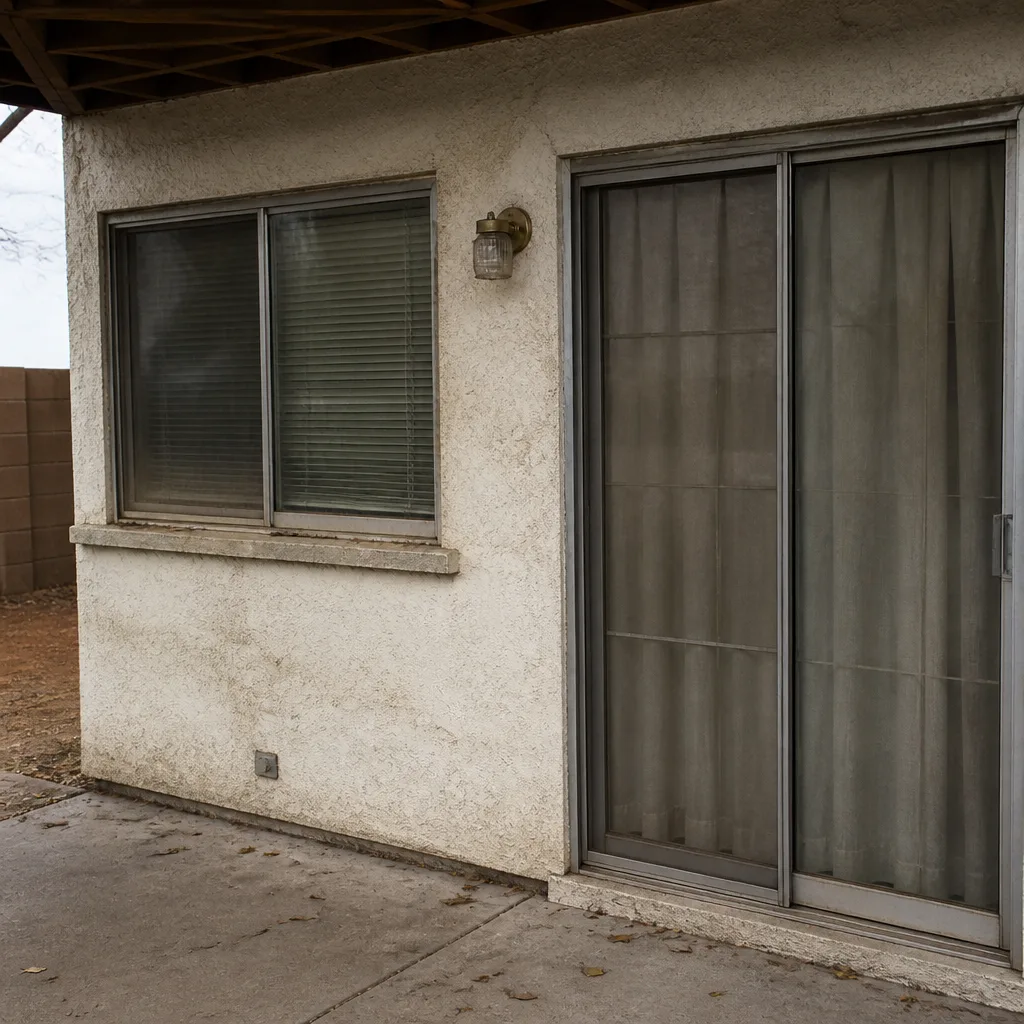 Before
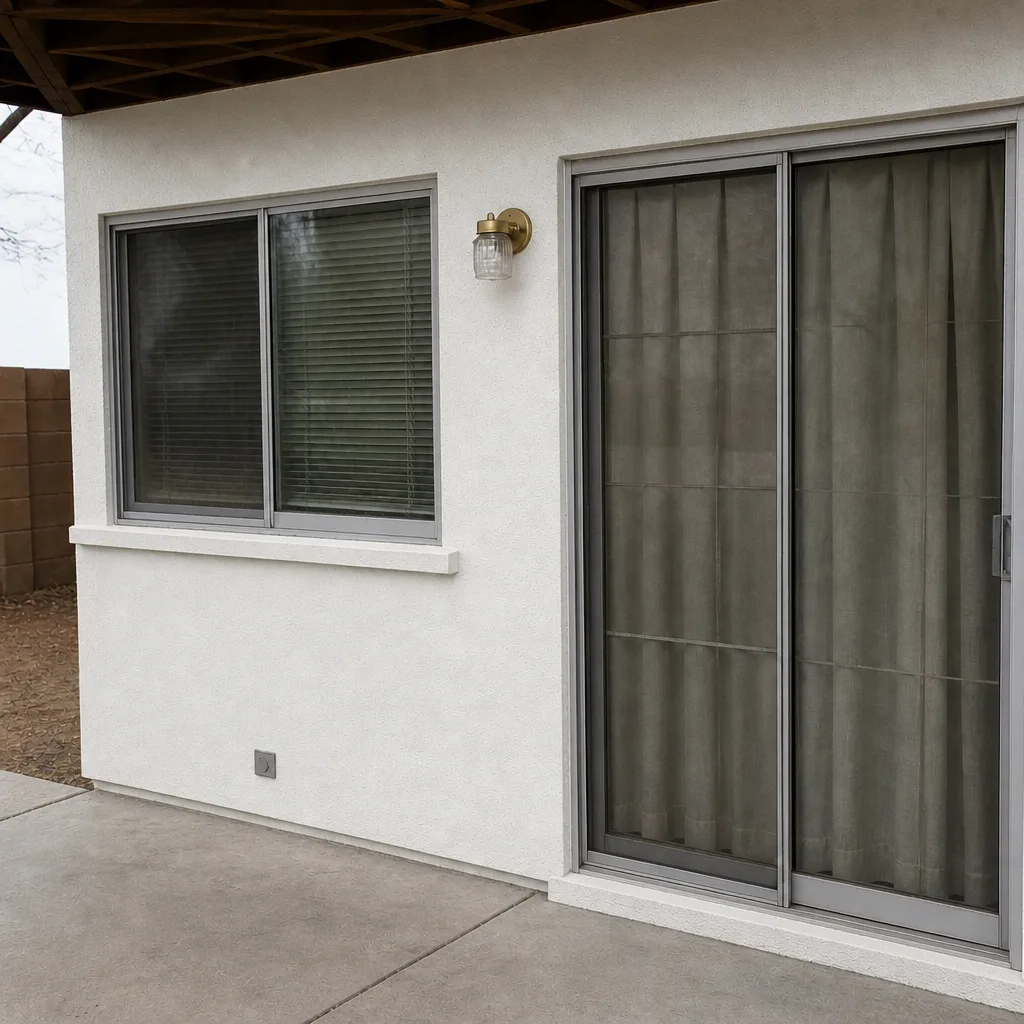 After
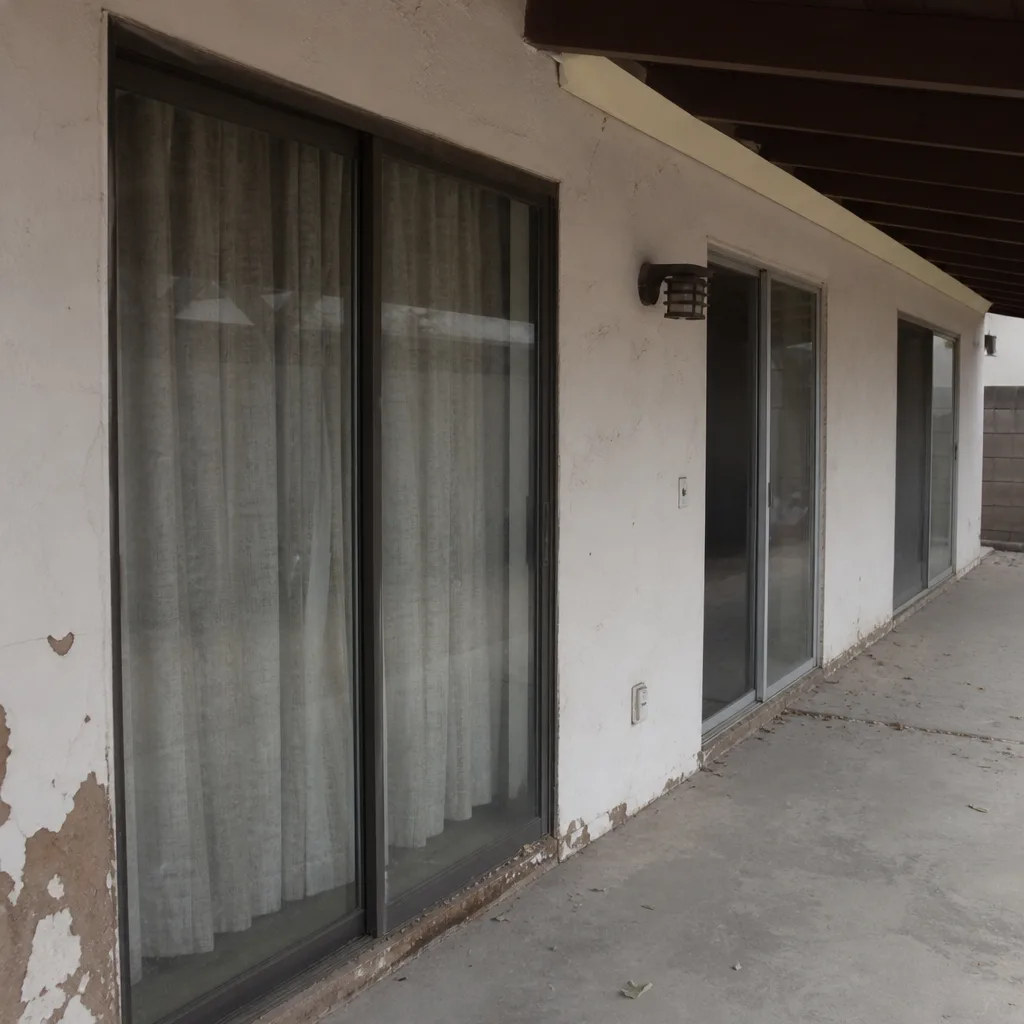 Before
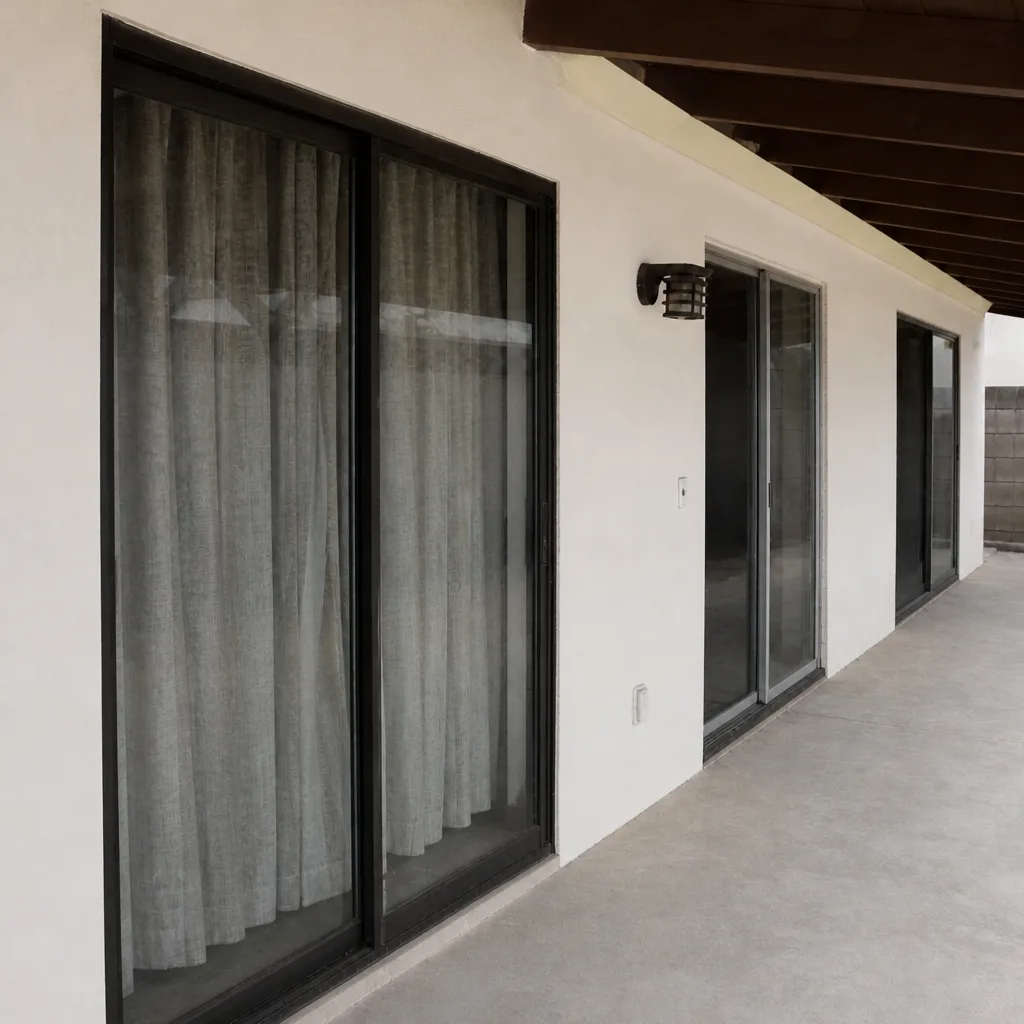 After
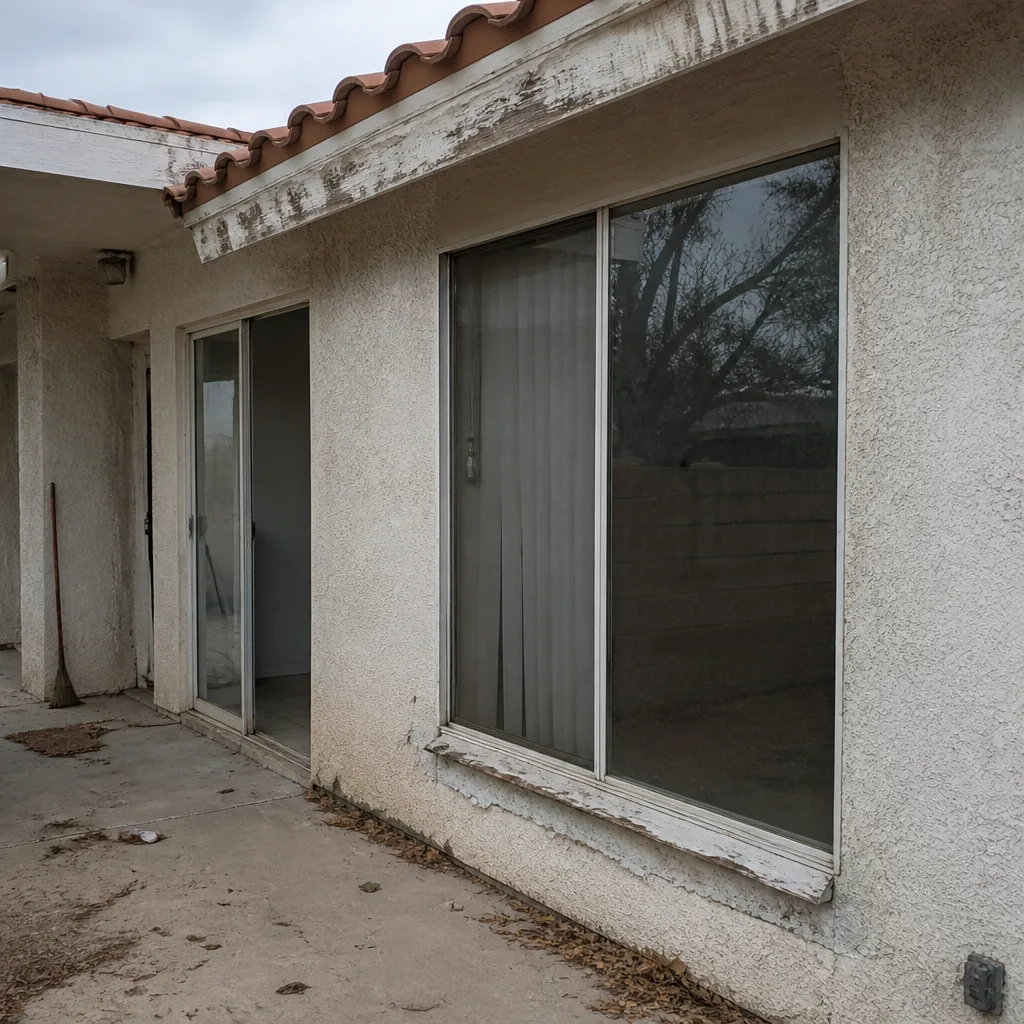 Before
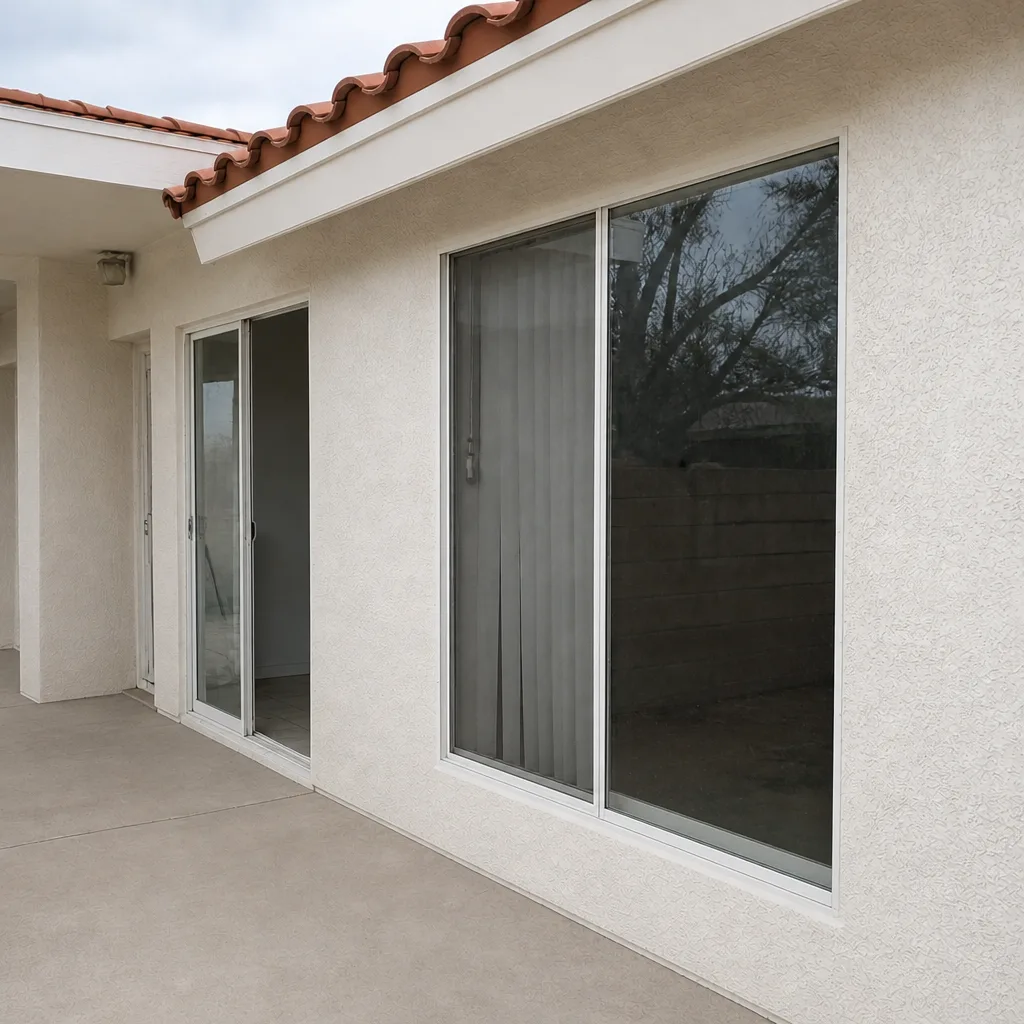 After
When to Call a Professional
Some situations call for a licensed window and door contractor rather than a homeowner-managed permit. If your project involves resizing an opening, converting operation type, or installing well-performing units that need to satisfy the Nevada energy code on a permitted job, the submittal work is real and technical. If your community is one of North Las Vegas’s master-planned HOAs with architectural review requirements, coordination between HOA and city timelines is easier when one party handles both. And if you’re planning a replacement across multiple units, the specification and compliance work scales in a way that’s hard to manage solo. North Las Vegas Windows & Doors offers free estimates in North Las Vegas. Call (844) 560-4723. We answer 24/7. Fast dispatch from 7am to 7pm, Sunday through Friday.
Frequently Asked Questions
A true like-for-like replacement in the same rough opening, with the same size, operation, and glazing performance, usually does not require a permit in North Las Vegas. Any change to size, operation, or glazing type triggers permit review. Call (844) 560-4723 – estimates are free and we’ll help you determine which path your project falls on.
A same-size entry door swap in the existing frame is typically straightforward and may not require a permit. Changing the rough opening, the swing direction, or adding a sidelight does require one. Therma-Tru entry doors are among the products we install, and the door specification usually determines which permit path applies. Call (844) 560-4723 for a free estimate.
Nevada has adopted the International Energy Conservation Code (IECC), and North Las Vegas enforces it through the permit process. Permitted window replacements must meet minimum U-factor and solar heat gain coefficient (SHGC) requirements. The energy compliance submission usually includes product specification sheets with those ratings for the exact units being installed. Call (844) 560-4723 to talk through what your project needs.
HOA architectural review usually goes first, because the committee wants to see the product specifications before the city submittal is assembled. That said, both approvals need to be current when installation happens. In communities like Aliante and Eldorado, it’s worth confirming the timelines for both before ordering product. Call (844) 560-4723 for a free estimate and we’ll walk through the sequencing.
Nevada’s owner-builder provisions allow a homeowner to pull a permit on their own primary residence for certain projects. The specific rules on which projects qualify and what affidavits apply are set by the jurisdiction, so confirm with the North Las Vegas building department. If the project will be financed or you plan to sell soon, a contractor-pulled permit is typically cleaner. Call (844) 560-4723 to discuss your options.
Unpermitted work can surface during a home inspection, a title search, or a lender review, and remediation may require opening walls, paying for a retroactive permit, or reinstalling units. North Las Vegas treats it as a disclosure item at sale. Insurance claim reviews can also be affected. A permit is paperwork; an unpermitted install is a long-term liability. Call (844) 560-4723 – estimates are free.
The Bottom Line
North Las Vegas runs its own permitting jurisdiction, and window and door projects fall under Nevada’s adopted energy code whenever a permit is required. The key decision points are whether your project is a genuine like-for-like swap or something that changes size, glazing, or operation. HOAs in Aliante, Eldorado, and other planned communities add a parallel review that doesn’t replace the city requirement. Inspections come in rough-in and final stages for projects that involve framing or envelope changes, and skipping the permit creates title, insurance, and code compliance problems that follow the property, not the installer. If your project falls anywhere other than a same-size, same-glazing swap, get the permit path confirmed before you order product. Call (844) 560-4723 for a free estimate. We answer 24/7. Fast dispatch from 7am to 7pm, Sunday through Friday.
If you’re starting to compare product options alongside the permit questions, the North Las Vegas Windows & Doors team can walk through PGT, CGI, ECO Window Systems, and Therma-Tru lines against what your project requires. The right window for your home, matched to the permit path, is the whole point.
Written by the team at North Las Vegas Windows & Doors.