Last updated November 17, 2026
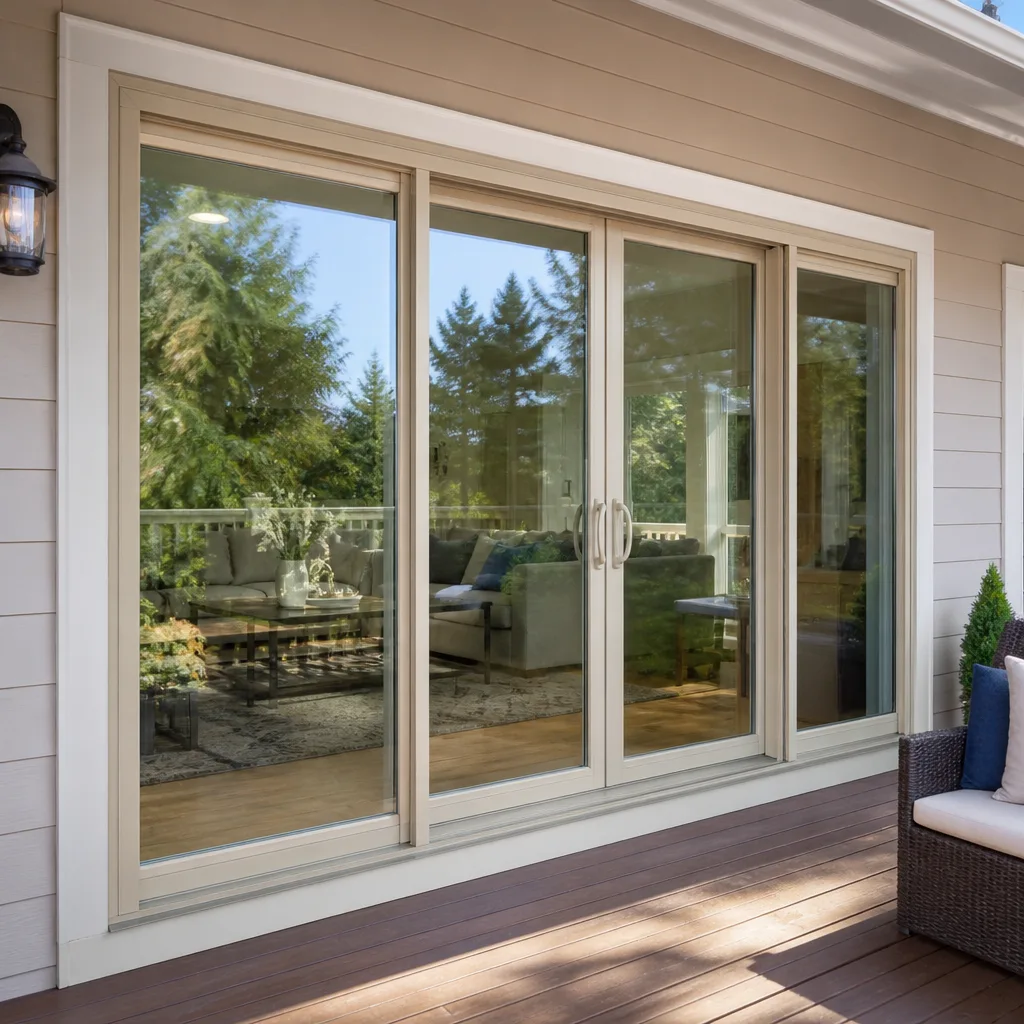 Sliding glass doors
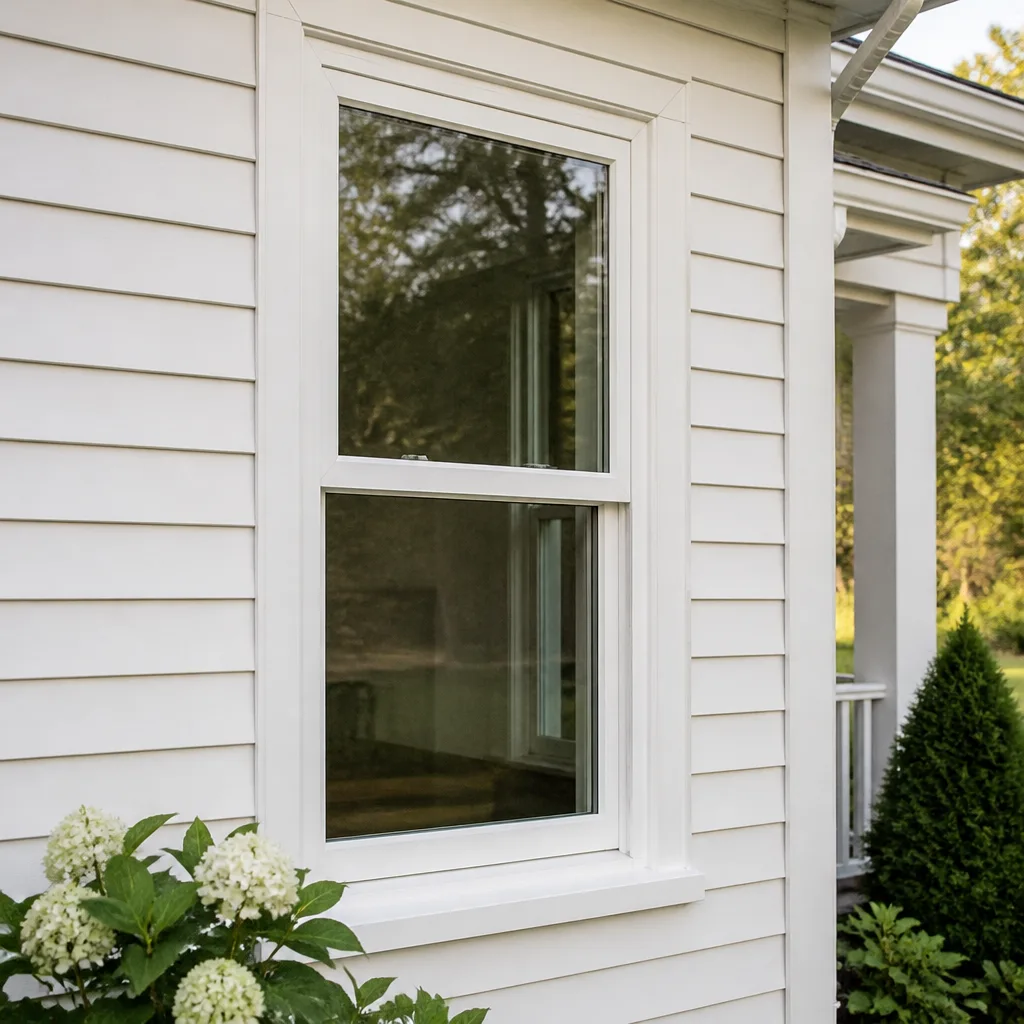 Single hung
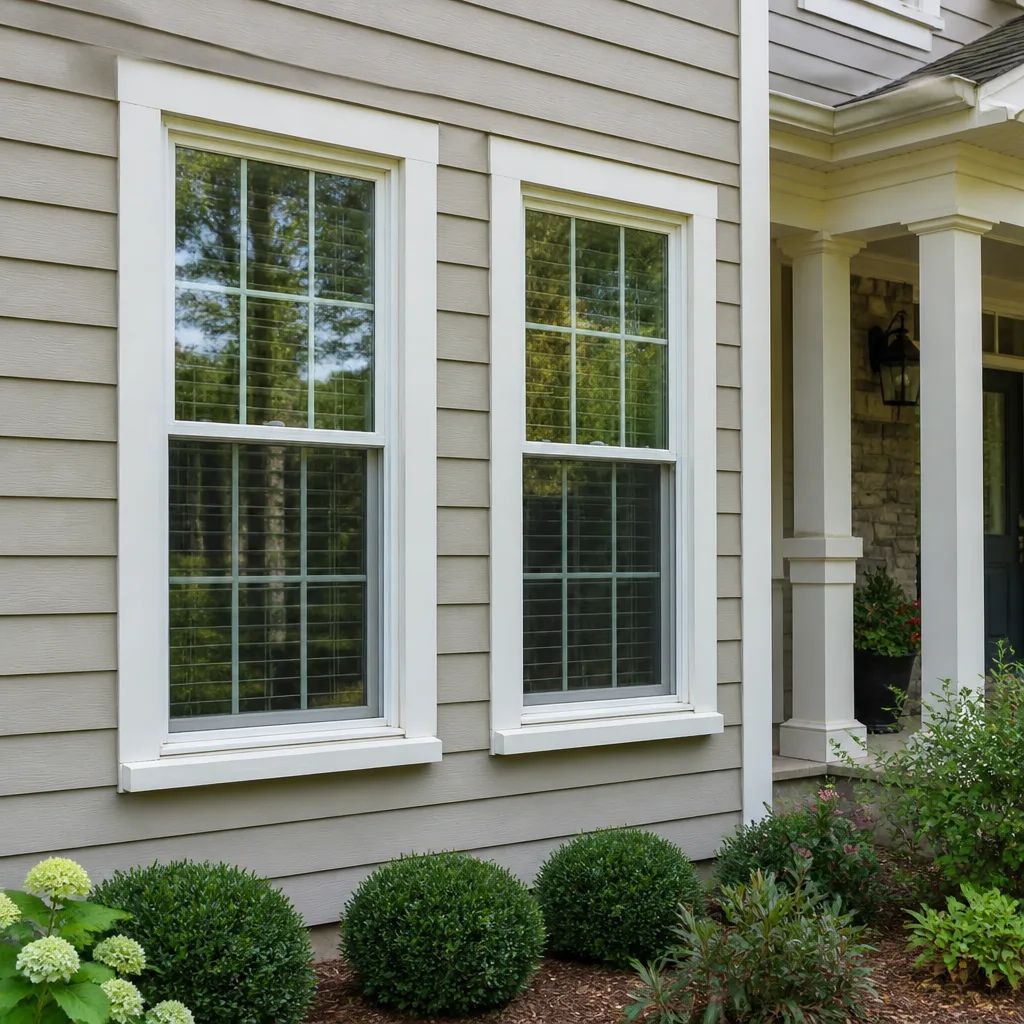 Double hung
 Horizontal roller
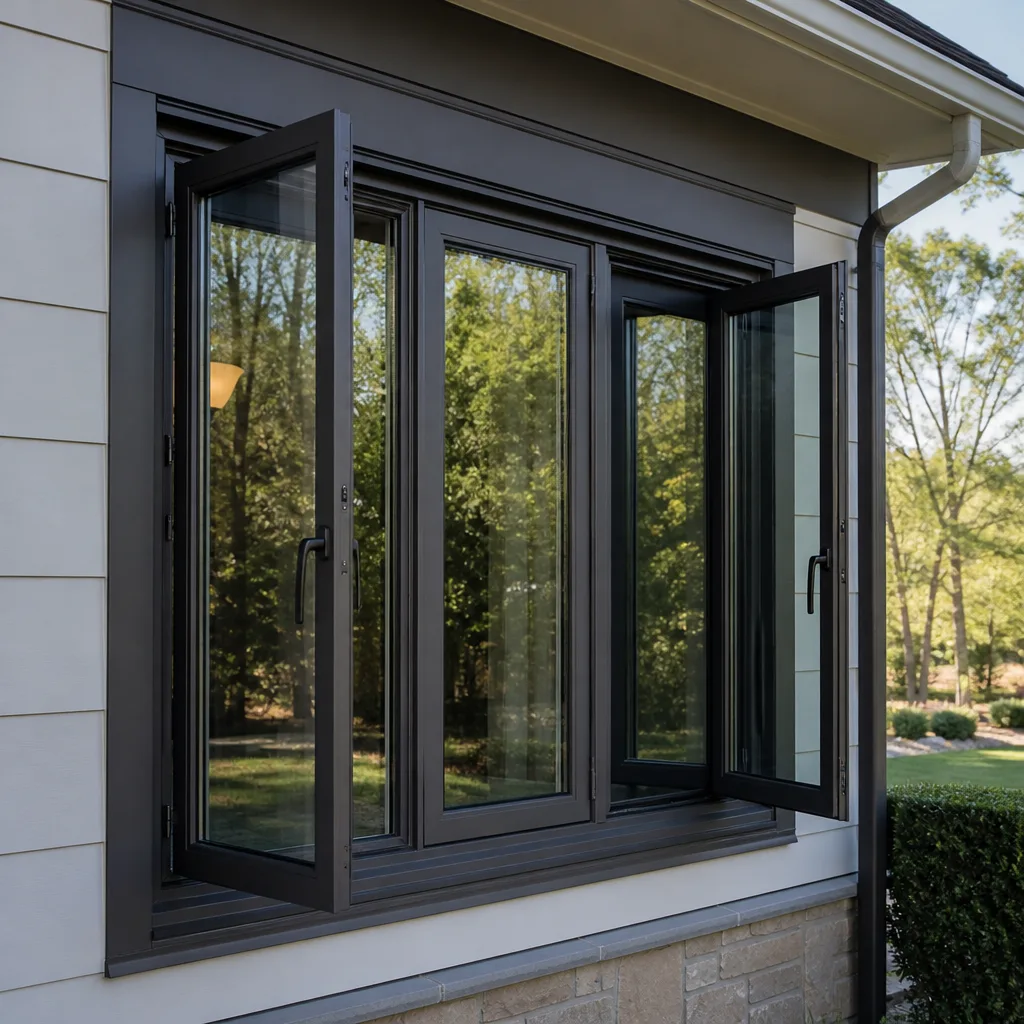 Casement
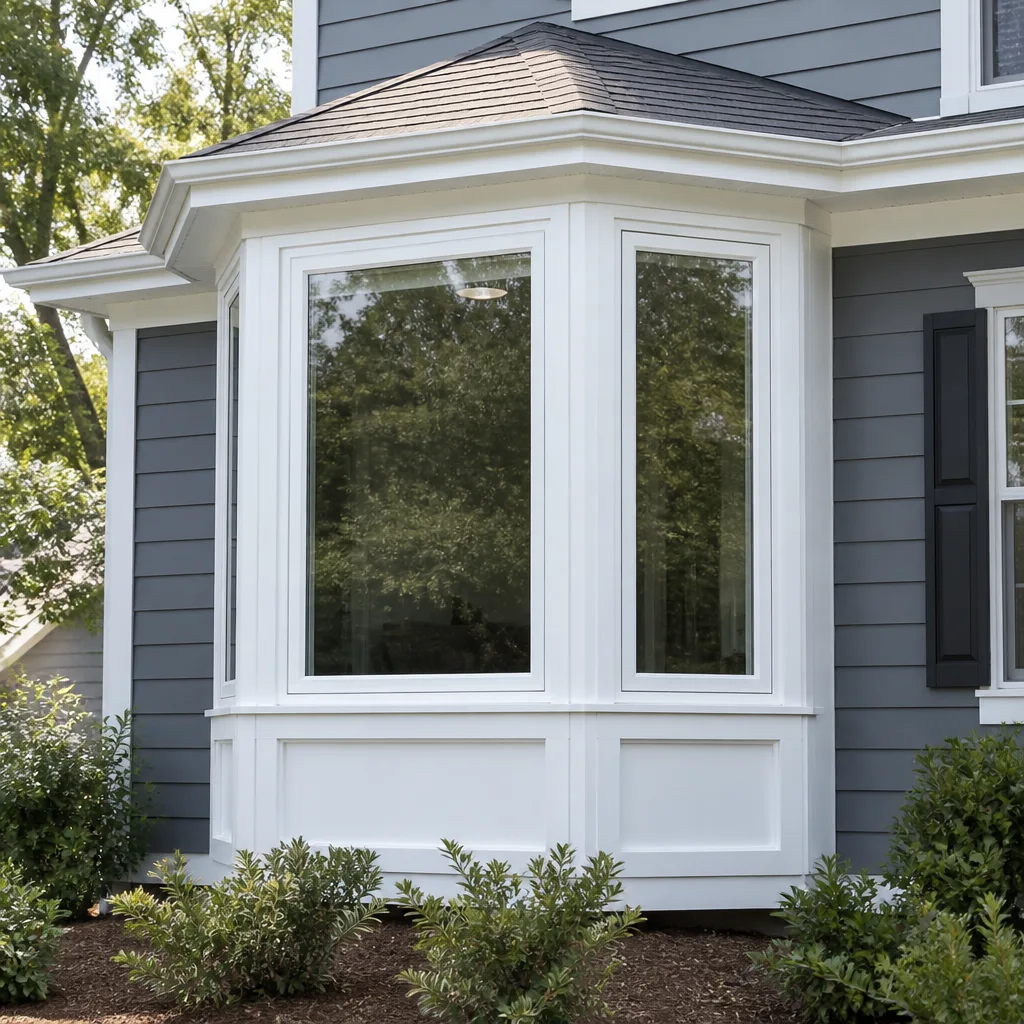 Bay & bow
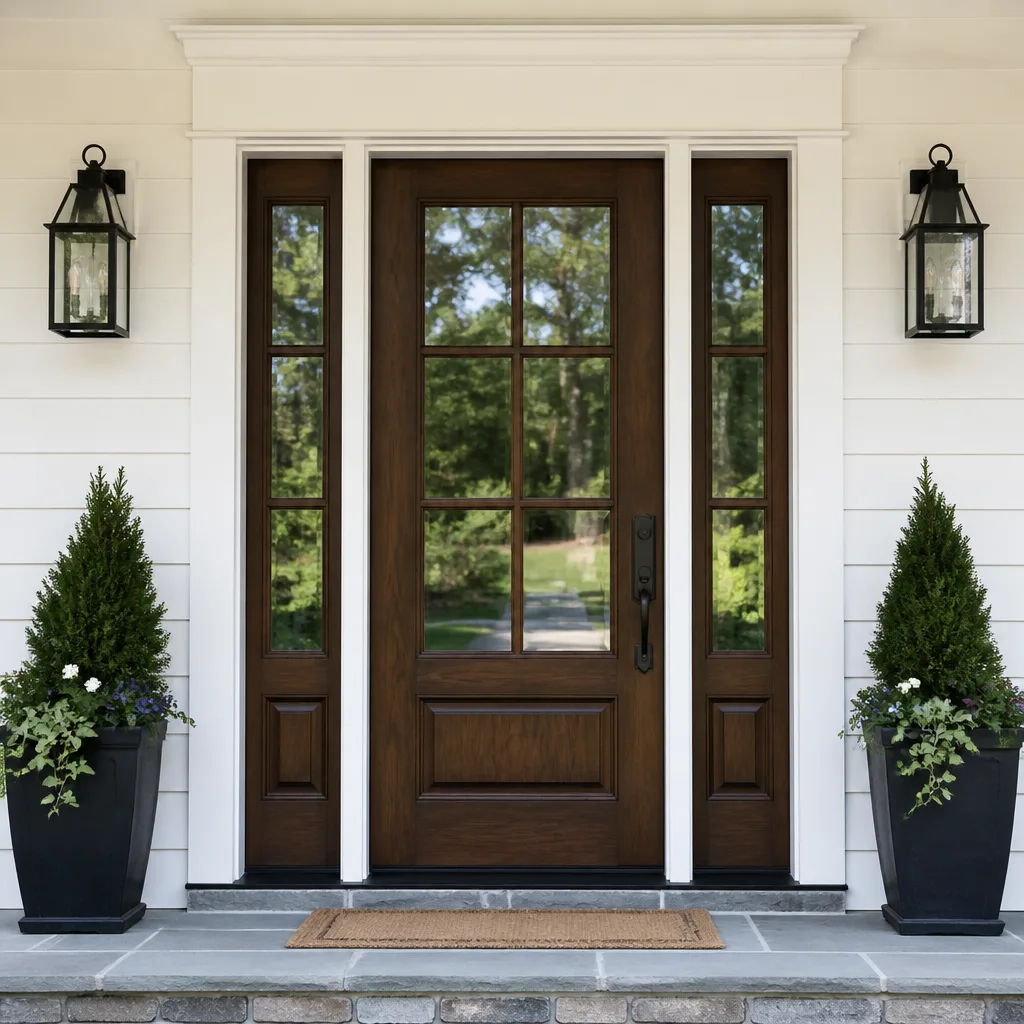 Entry doors
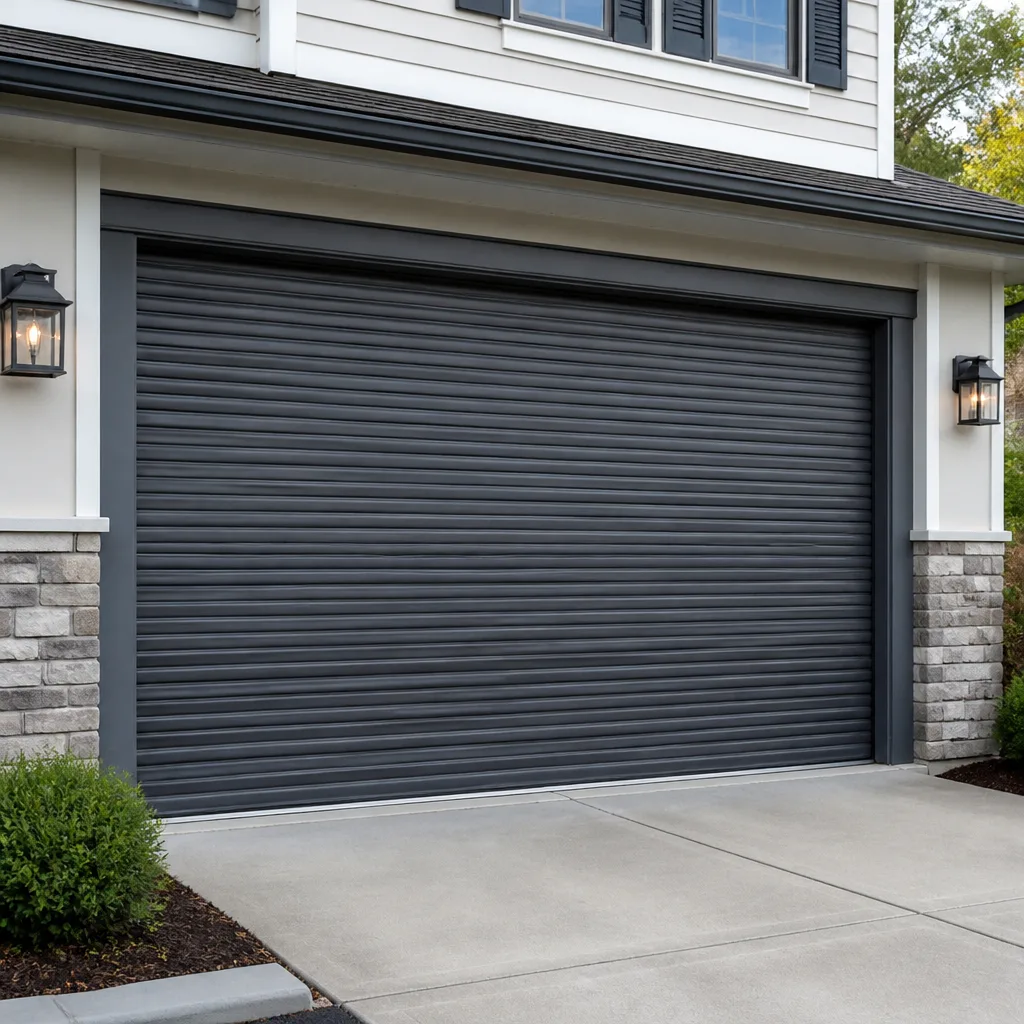
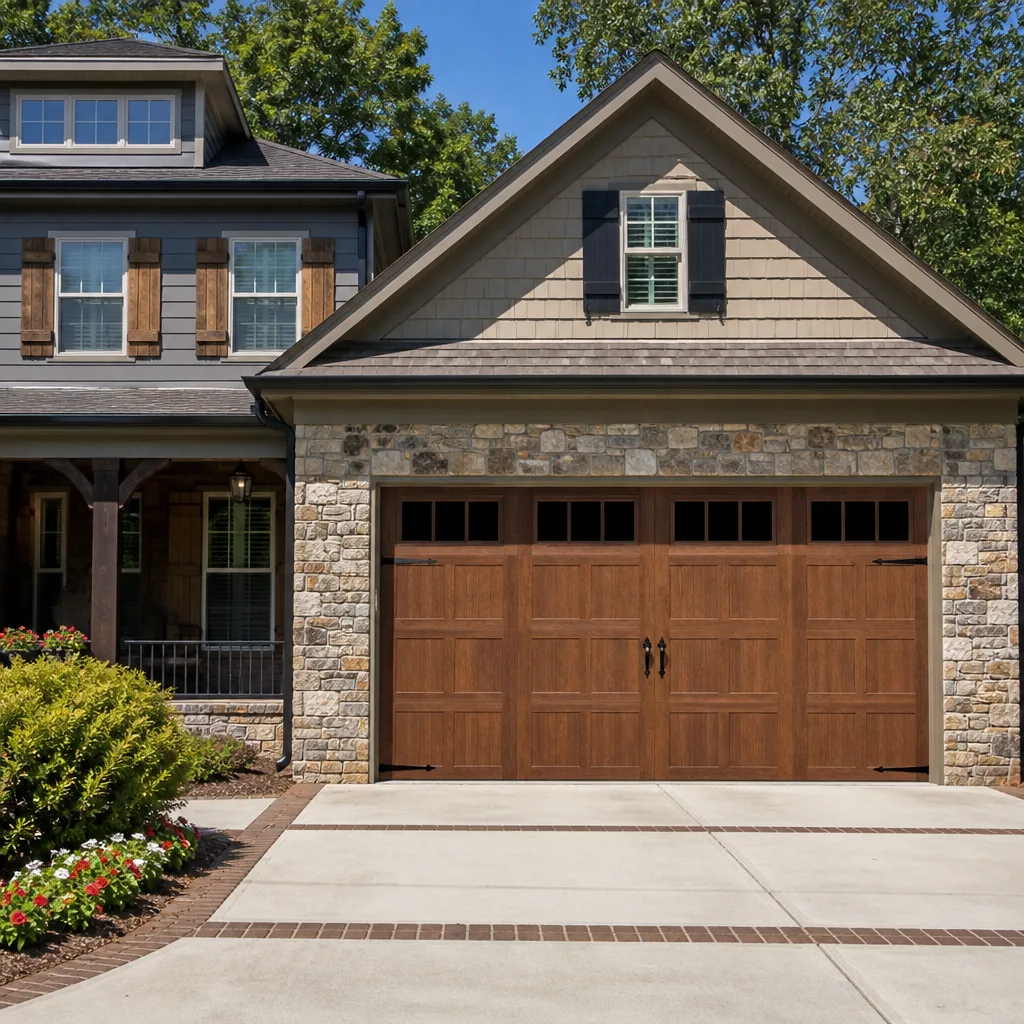 Impact garage doors
 PGT
 CGI
Free in-home measure and quote - PGT, CGI and CWS impact lines compared on your actual openings, style by style
Get your free estimateChoosing the Right Windows & Doors Brand: A Buyer’s Guide for North Las Vegas
The window industry wants you to believe there are only four or five names worth considering. In reality, more than 40 manufacturers distribute product into the Southwest, and national advertising spend determines which names you’ve heard of, not which products perform in sustained 110°F heat. That gap matters in North Las Vegas, where frame engineering and solar heat gain ratings do the heavy lifting that brand prestige cannot. A window built for a mild coastal climate and sold under a famous name is still the wrong window here. This guide shows you how to read specifications for desert suitability, how to separate a manufacturer’s entry line from its premium line, and which questions expose whether a dealer is matching product to your home or moving whatever carries the best margin.
Quick Answer
The right brand for a home in North Las Vegas is the one whose specific product line carries solar heat gain coefficient ratings, frame materials, and warranty language built for extreme heat and intense sun, installed by a team that knows that product’s tolerances. In practice that means evaluating product lines rather than brand names, confirming NFRC ratings for the exact model quoted, and choosing an installer with direct experience in that system. A well-installed mid-tier product usually outperforms a premium product installed by someone unfamiliar with it.
Styles & brands we work with
- Single hung
- Double hung
- Horizontal roller
- Casement
- Bay & bow
- Sliding glass doors
- Entry doors
- Impact garage doors
- PGT
- CGI
Table of Contents
- How to Read a Window Brand’s Specs for Desert Suitability
- National Brands vs. Regional and Specialty Brands in North Las Vegas
- Why “Best Brand” Is Really a Product-Line Question
- How Installer Expertise Changes the Outcome
- Impact-Rated vs. Energy-Focused Lines: Which Priority Comes First
- Choosing an Entry Door Brand: What Matters Beyond Curb Appeal
- Questions That Reveal Whether a Dealer Is Matching You to the Right Brand
- A Side-by-Side Way to Compare Any Three Brands
How to Read a Window Brand’s Specs for Desert Suitability
Three numbers and one warranty clause tell you most of what you need to know about whether a window belongs in a North Las Vegas home. Solar heat gain coefficient, U-factor, and visible transmittance come from the NFRC label on every rated product, and they are the only performance data with a standardized testing basis. The rest is marketing until you confirm those figures on the exact model being quoted, not the line average.
Here is what to look at, in order:
- Solar heat gain coefficient (SHGC). This is the fraction of solar heat that passes through the glass assembly. In a climate where summer afternoons routinely run past 110°F, a lower SHGC on west- and south-facing glass reduces the load your air conditioner fights. Ask for the SHGC of the specific unit, because a manufacturer’s standard glazing package and its high-performance package differ substantially.
- U-factor. This measures heat flow through the whole assembly. Dual-pane products with warm-edge spacers and argon fill typically beat single-pane and air-filled units, but the frame material matters as much as the glass.
- Frame material and finish. Vinyl formulations vary in heat resistance, and aluminum without a thermal break conducts heat straight into the frame. Ask how the finish is applied and how it holds up under sustained UV exposure, because fading and chalking are the visible failures in this climate.
- Warranty language. Read the exclusions. A warranty that limits coverage on glass breakage from thermal stress, or that voids on installations above a certain elevation or exposure, tells you the manufacturer didn’t design for desert conditions. Warranty terms should be in writing before you sign.
Brands built with the Southwest in mind tend to publish these figures prominently for each product line. When a dealer can’t produce the NFRC label or a spec sheet for the model they quoted, that’s your answer about how well the brand fits this market.
National Brands vs. Regional and Specialty Brands in North Las Vegas
National names earn their reputation on consistent engineering standards and broad dealer networks, and that consistency is real. But consistency across 50 states means the product is designed to a national compromise, not to one valley’s heat load. Regional and specialty manufacturers who concentrate on hot-climate markets often push performance further on the metrics that matter here, because their entire business depends on it.
Where national reputation tracks actual local performance:
- Hardware and operating mechanisms, which are engineered to similar standards regardless of region.
- Assembly quality control at the factory, which tends to be more consistent at larger manufacturers.
- Warranty administration, which is generally easier to navigate with a large national brand.
Where it doesn’t track as cleanly:
- Standard glazing packages, which are often tuned to a national average climate rather than desert exposure.
- Frame finish durability under years of intense UV, which varies widely by formulation and is not always reflected in brand prestige.
- Availability of high-performance glass upgrades at a reasonable cost, which tends to favor manufacturers whose home market is hot.
This is why our product mix in North Las Vegas includes both national-scale lines and manufacturers with deep hot-climate focus. PGT and CGI bring impact-rated engineering and a strong storm-resilience reputation. ECO Window Systems and ES Windows carry energy-focused product lines tuned to heat-driven cooling loads. Carrying both kinds of brand lets us match the product to the house rather than forcing every home into one catalog. If you want a sense of how we approach a full window replacement, that page walks through the scope.
Why “Best Brand” Is Really a Product-Line Question
Nearly every major manufacturer sells at least two tiers, and the tier matters more than the badge on the frame. A brand’s builder-grade line and its premium line can use different vinyl formulations, different spacer systems, different glass packages, and different hardware. They also come with different warranty terms. When a homeowner tells us they’ve decided on a particular brand, the first thing we do is find out which product line they were quoted, because that’s where the real comparison lives.
A practical way to think about the tiers:
- Builder-grade lines. Built to hit a price point for new construction volume. Acceptable performance, thinner frames, basic glazing. Fine for a shaded north-facing wall; a weak choice on full western sun in North Las Vegas.
- Mid-tier lines. Better spacers, optional high-performance glazing, sturdier hardware. The sweet spot for most replacement projects.
- Premium lines. Heavier frames, upgraded glass packages as standard, refined finishes. Worth the cost when the exposure is severe or the aesthetic is a priority.
Brand loyalty by name alone misses this entirely. Two windows with the same logo on the spacer can have dramatically different SHGC values. Ask for the model number, the NFRC label, and the warranty document for that specific model. Any dealer who can’t separate the tiers for you is either unfamiliar with the catalog or hoping you won’t ask. We treat this as the core of the job: the right window line for the specific wall, orientation, and room, not the line that happens to be promoted this quarter.
How Installer Expertise Changes the Outcome
A decent product installed correctly beats a premium product installed by someone guessing at the tolerances. That sentence is the entire reason installer experience carries as much weight as brand selection. Windows are weather barriers as much as they are glass, and the seal between frame and rough opening determines whether the assembly performs at its rated value or leaks conditioned air around the edges.
What knowledgeable installation looks like on a North Las Vegas job:
- Assessment before removal. The existing opening gets checked for framing condition, water intrusion history, and stucco or masonry details that affect flashing. Desert homes often have specific stucco and flashing conditions that a crew unfamiliar with the local building stock will miss.
- Removal and prep. Old units come out cleanly, the opening is prepped, and any damaged framing is addressed before the new unit goes in.
- Flashing and sealing. The integration between the window frame, the weather barrier, and the exterior finish is where most leaks originate. Skilled crews spend time here.
- Plumb, level, and shim. Operating windows that bind or don’t seal are usually installed out of square.
- Finish and verification. Interior trim, exterior sealant, and a check that every unit operates, latches, and drains correctly.
Manufacturer-specific knowledge matters too. Each brand has its own nailing flange profile, its own recommended flashing method, and its own adjustment points. Our technicians have up to 14 years of experience working across multiple product lines, which is the practical reason we can match product to project instead of steering every customer toward one brand. The same logic applies to a new window installation where the rough opening is being created from scratch.
Impact-Rated vs. Energy-Focused Lines: Which Priority Comes First
Impact rating and energy performance answer two different questions, and buying for one does not automatically deliver the other. Impact-rated products are engineered to resist wind-borne debris and the pressure changes of severe storms. Energy-focused products are engineered to limit heat transfer and solar gain. In North Las Vegas, a lot of homes want both, but the priority order depends on the house and the exposure.
Ask yourself these questions:
- Is the glazing large and exposed? Big west-facing glass absorbs a lot of solar load, which pushes energy performance up the list.
- Is storm resilience a stated priority for the household? Some homeowners want the impact protection regardless of other factors. That’s a legitimate reason to lead with an impact line.
- Does the home have a mix of exposures? A single-story plan with east and west glass may warrant different glass packages on different walls, which a multi-brand portfolio makes easier to specify.
This is where carrying both categories matters. PGT and CGI offer impact-rated product lines for storm-resilient applications. ECO Window Systems and ES Windows emphasize energy performance. A dealer locked into one brand has to argue that its one strength covers every wall in the house. We don’t have to. We can specify an impact-rated unit on the exposed elevation and an energy-tuned package on the shaded one, then install both under the same scope of work.
Choosing an Entry Door Brand: What Matters Beyond Curb Appeal
Entry doors get chosen on looks and live or die on construction. A door is the largest moving component in most home envelopes, and in this climate the combination of heat, UV, and temperature swing stresses the panel, the finish, and the hardware. The brand question should start with how the door is built, then move to how it looks.
What to evaluate in any entry door brand:
- Core construction. Solid core and insulated cores resist warping and hold temperature better than hollow construction.
- Finish durability. Factory finishes applied in controlled conditions generally outlast site-applied paint, and finish warranty language tells you what the manufacturer expects.
- Frame and threshold system. The sill and threshold are where water and air get in. Adjustable thresholds and proper weatherstripping matter more than the panel’s face veneer.
- Hardware and security. Multi-point locking and quality deadbolts are part of the door, not an accessory.
Therma-Tru is one of the most recognized names in entry doors, and its product lines cover the range from standard entry doors to premium fiberglass and decorative glass configurations. We’re glad to carry the brand because the construction detail holds up under real conditions, and because the finish warranties are documented in writing. For a home in North Las Vegas where the front door faces direct afternoon sun, that specification detail is what keeps the door looking right a decade in.
Questions That Reveal Whether a Dealer Is Matching You to the Right Brand
The questions below are the practical test. A dealer who genuinely matches product to home will answer them directly and volunteer details. A dealer who is moving inventory will deflect, generalize, or pivot to price.
- “Which product line is this quote for, and how does it differ from the manufacturer’s entry line?” An honest answer names the line and explains the differences in glass, frame, and warranty. A vague answer means they either don’t know the catalog or won’t tell you.
- “Can I see the NFRC label for the exact model you quoted?” Every rated product carries one. Refusal or delay is a red flag.
- “Why this brand for this wall, given the orientation and sun exposure?” The right answer references SHGC, U-factor, and the specific exposure, not brand reputation.
- “How many of these specific units have your installers set?” Manufacturer-specific experience is real. A crew that has installed hundreds of a given line knows its tolerances.
- “What does the warranty exclude, and who honors it?” Both the manufacturer’s product warranty and the installer’s workmanship coverage should be in writing.
- “If I want an impact-rated option and an energy-focused option on the same house, can you quote both?” A single-brand dealer cannot. A multi-brand specialist can.
Notice that none of these questions is about price. Price comes after the specification is settled, because a quote without a model number and a performance label isn’t comparable to anything. A written line-item estimate that names the brand, the product line, and the performance data is the only kind worth signing. That’s the format we use on every job across North Las Vegas, and it’s the format you should demand from any dealer you talk to.
A Side-by-Side Way to Compare Any Three Brands
When you have three quotes in hand, compare them along the same dimensions. This keeps the decision from dissolving into a dispute over names.
- Product line and model number. Exact identification for every unit.
- SHGC and U-factor per model. Sorted by wall orientation if the quote covers multiple exposures.
- Frame material and finish warranty. With the exclusion language quoted directly.
- Glass package. Pane count, spacer type, gas fill, and any low-E coating specified.
- Installation scope. Removal, disposal, flashing, trim, sealant, and any repair to the opening.
- Who performs the work. The company quoting should be the company installing, with a named point of contact for the project.
- Price per opening, not per project. This normalizes quotes with different unit counts.
Our portfolio approach makes this straightforward because the brand comparison happens inside one conversation. Eight brands, one installation team, one point of accountability from removal to final install. If you’re still sorting out which direction to go, the main North Las Vegas Windows & Doors page summarizes how the product categories break down.
Common Mistakes to Avoid
- Choosing by name recognition alone. A famous brand’s builder-grade line is not the same product as its premium line. Always compare the specific model, not the logo.
- Skipping the NFRC label. Without the label you’re comparing marketing language, not performance. In this heat, the difference between two SHGC values is a comfort difference you’ll feel every afternoon.
- Buying on price per window without a model number. Two quotes at very different totals may be for completely different product tiers. A cheaper number on a lesser line isn’t a better deal.
- Giving the installation short shrift. A premium window set into a poorly flashed opening underperforms a mid-tier window set correctly. The install is part of the product.
- Ignoring wall orientation. A single glass package across every elevation is a compromise. West and south glass deserve more attention than a shaded north wall.
- Forgetting the doors. Entry doors are part of the same envelope decision. Homeowners who research windows for months sometimes pick a door at the last minute without asking about core construction or threshold design.
- Not asking who is on the job. When a quote is signed with one company and installed by another, spec errors fall into the gap between them. Ask up front.
See the difference
 Before
 After
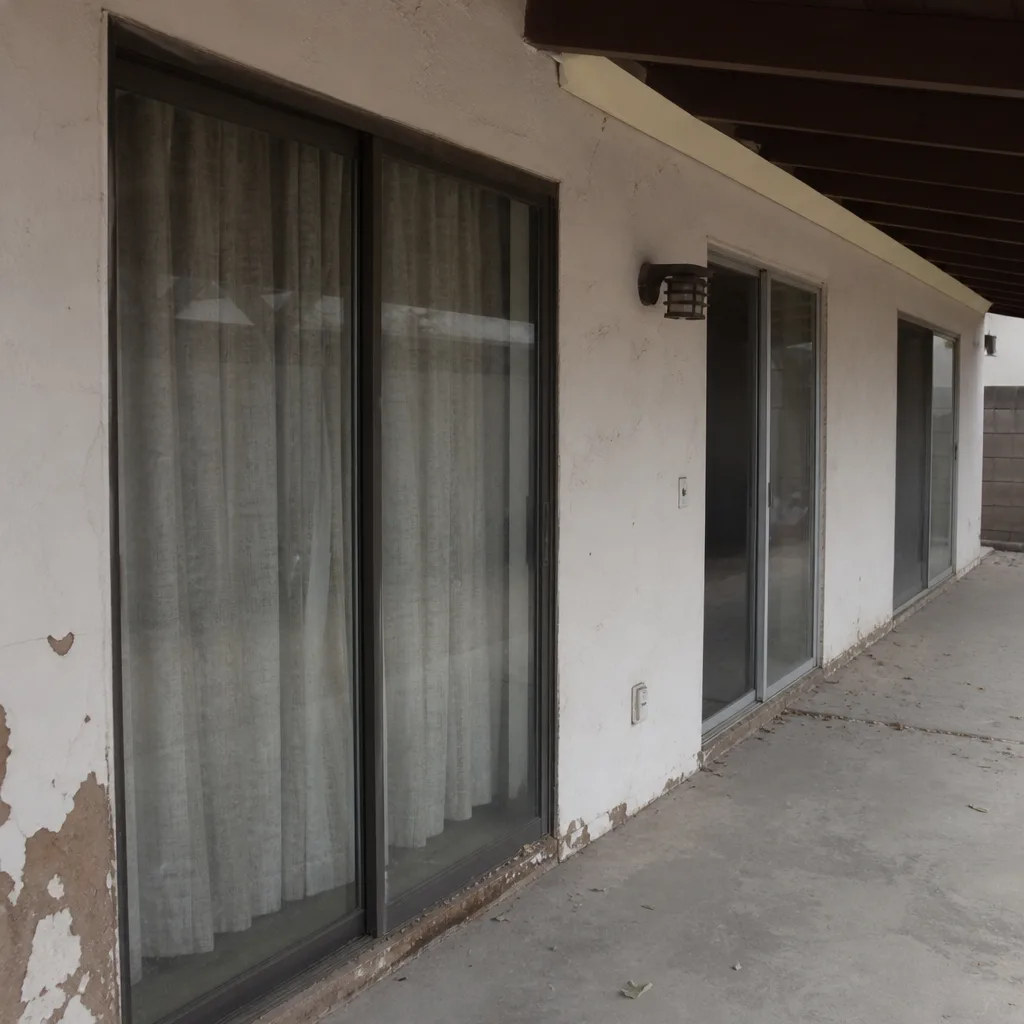 Before
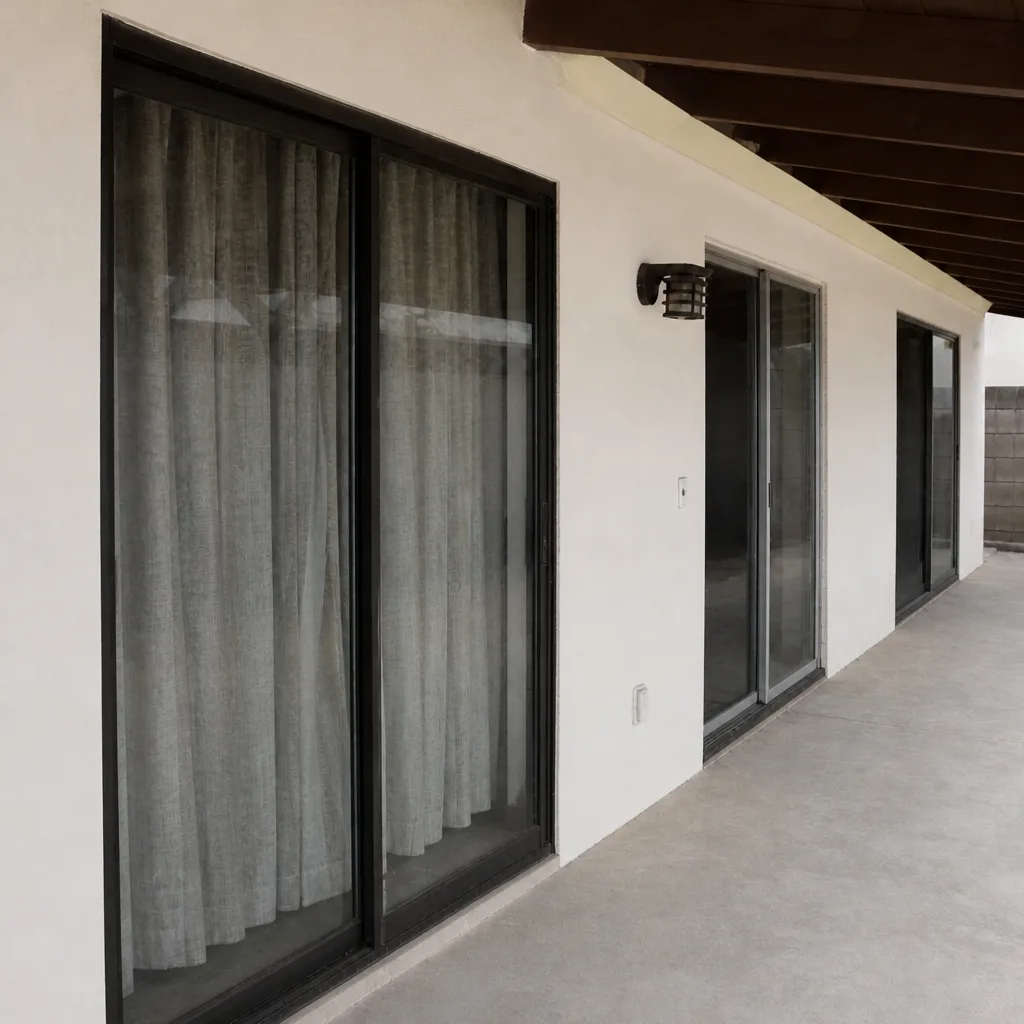 After
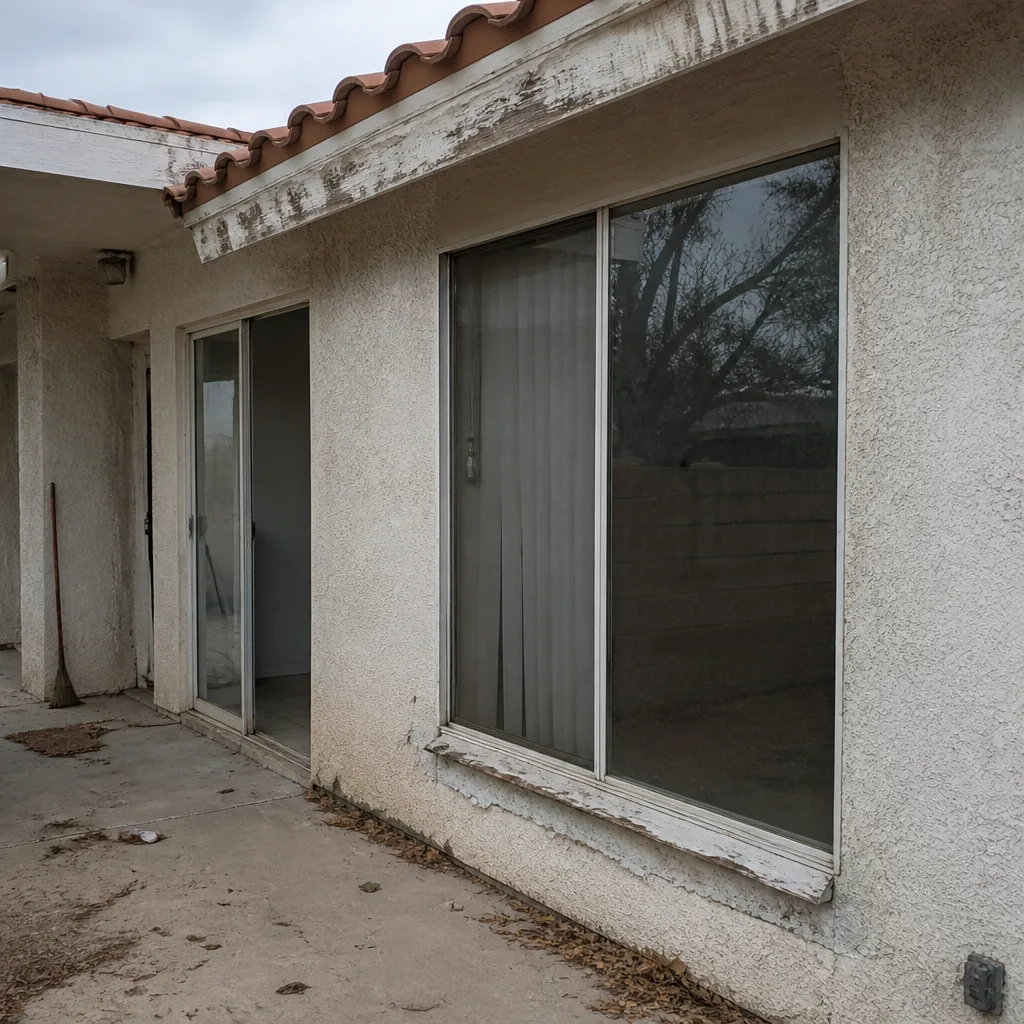 Before
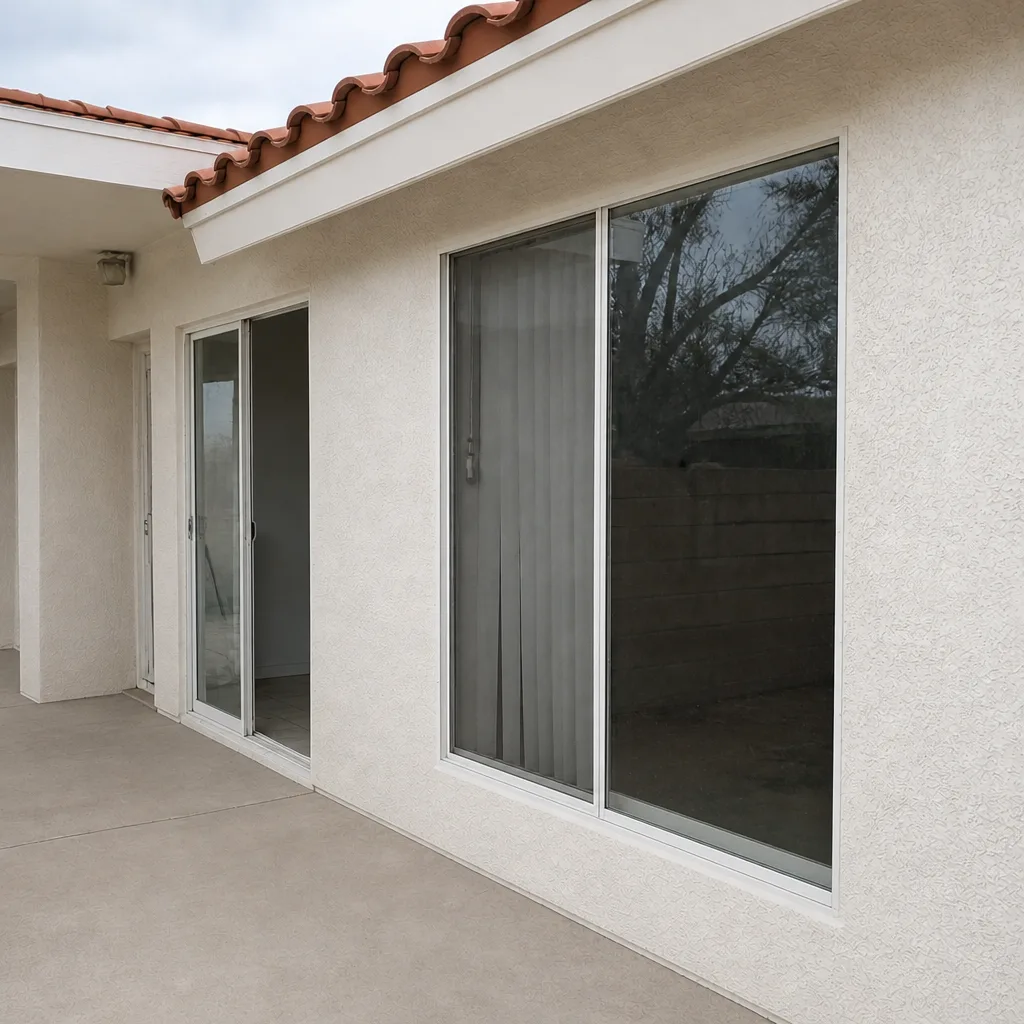 After
When to Call a Professional
Some decisions are better made with a specialist in the room. Call us when you have three or more brands on your shortlist and need help reading the specifications. Call when a dealer has quoted a model number you can’t confirm the performance data for. Call when your home has a mix of exposures and you need different glass packages specified for different walls. Call when storm resilience and energy performance are both priorities and a single-brand dealer has told you one product line covers both. Call when a door needs to match the window selection for a coherent exterior. Call when you’re comparing quotes from companies with different installation scopes and want an apples-to-apples read. North Las Vegas Windows & Doors offers free estimates in North Las Vegas – call (844) 560-4723. We answer 24/7. Fast dispatch from 7am to 7pm, Sunday through Friday.
Frequently Asked Questions
There’s no single best brand, because the right answer depends on the product line and the wall. For homes where storm resilience is the priority, PGT and CGI carry impact-rated lines; for homes where cooling load is the priority, ECO Window Systems and ES Windows carry energy-focused lines. The useful question is which product line fits your specific exposures and priorities. Call (844) 560-4723 and we’ll walk through the options with you.
Look for published NFRC ratings on the exact model, including SHGC and U-factor for the specific glass package quoted, plus warranty language that doesn’t exclude desert-related failures like thermal stress on glass. Ask how the frame finish is applied and how the manufacturer documents UV resistance. A brand built for the Southwest will have these answers readily available. If a dealer can’t produce them, that’s information too.
No. National brands often have more consistent factory quality control and easier warranty administration, but their standard glazing packages are usually tuned to a national climate average. Regional and specialty brands that concentrate on hot-climate markets sometimes push performance further on the metrics that matter here. The tier of the product line usually matters more than the scale of the manufacturer.
Not everyone does, but the answer depends on your priorities and the exposure of your glazing. Impact-rated products are engineered for wind-borne debris and pressure changes during severe storms. Homes with large exposed glass often benefit from the extra resilience, while homes prioritizing cooling-load reduction may lean toward energy-focused lines. Some homes benefit from both, specified on different elevations. We can quote both categories side by side; call (844) 560-4723 for a free estimate.
Usually not. Windows are weather barriers as much as glass, and the seal between frame and rough opening determines whether the assembly performs at its rated values. A mid-tier product correctly flashed, shimmed, and sealed often performs better in practice than a premium product installed by a crew unfamiliar with that manufacturer’s tolerances. That’s why installer experience with the specific product line is a legitimate part of the brand question.
Enough to match product to home without pushing one catalog. A dealer carrying only one brand has to argue that brand fits every wall and every priority. A dealer carrying a broad portfolio can specify impact-rated glass on one exposure and energy-tuned glass on another. We carry eight brands including PGT, CGI, ES Windows, and Therma-Tru, so the recommendation follows your home’s needs and not the inventory. Call (844) 560-4723 for a free estimate and we’ll show the range.
The Bottom Line
Brand selection for windows and doors in North Las Vegas comes down to reading specifications for heat and sun exposure, comparing product lines rather than logos, and pairing the right product with an installer who knows it. National names earn their reputation on consistency; specialty brands built for hot climates often deliver more on the metrics that matter here. Visit NFRC labels, warranty exclusions, and the model number on every quote before you consider the price. Then choose the team that will quote you three options across different priorities, installs what it sells, and hands over the performance data in writing. Everything else is advertising.
Written by the team at North Las Vegas Windows & Doors.
Ready to compare brands side by side? Call (844) 560-4723 for a free estimate. We answer 24/7. Fast dispatch from 7am to 7pm, Sunday through Friday.