Last updated November 17, 2026
 Sliding glass doors
 Single hung
 Double hung
 Horizontal roller
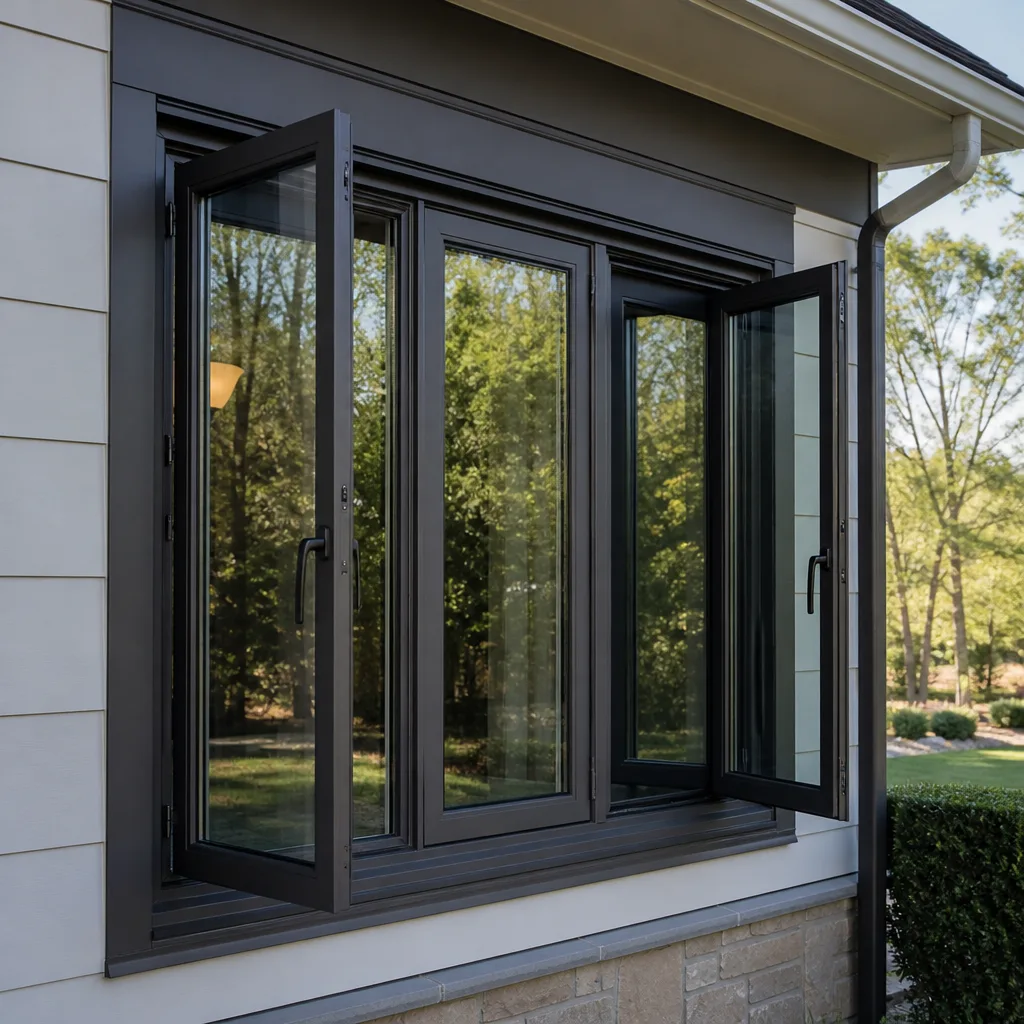 Casement
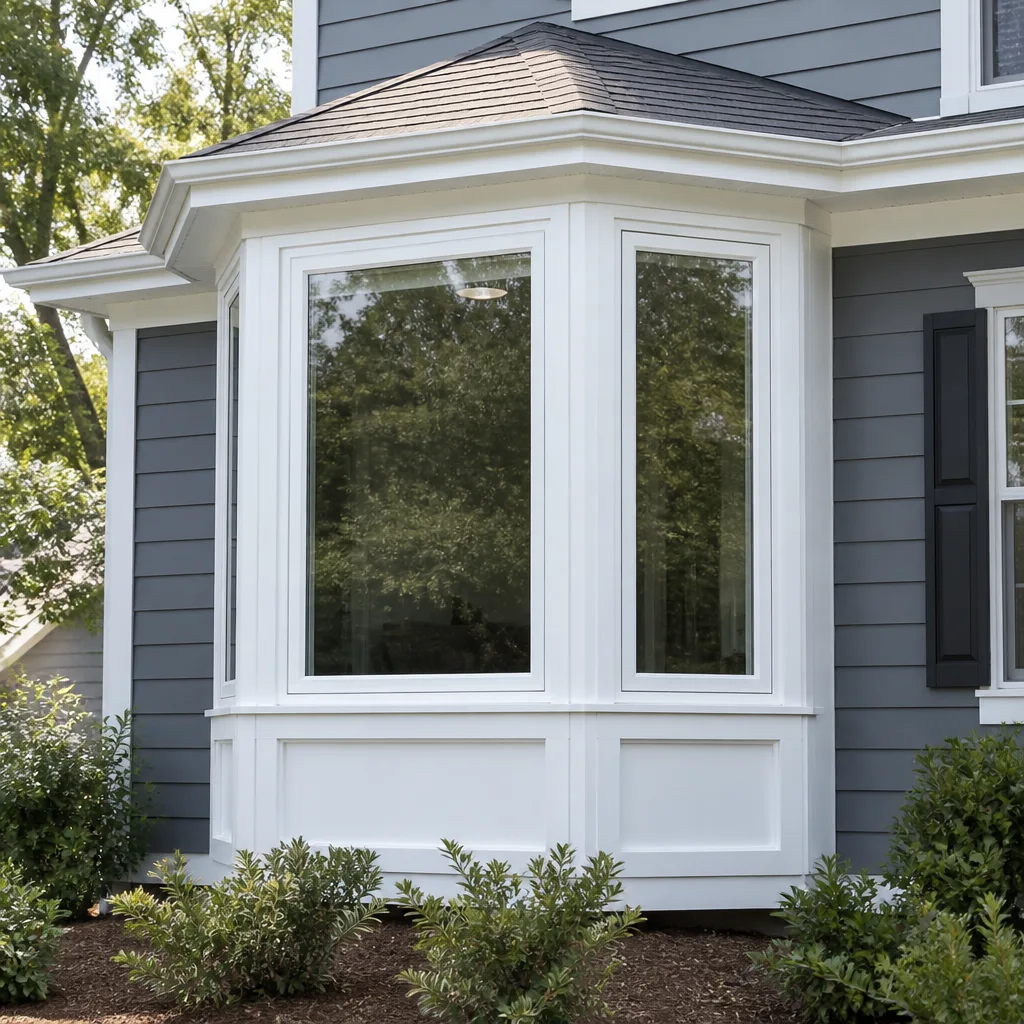 Bay & bow
 Entry doors
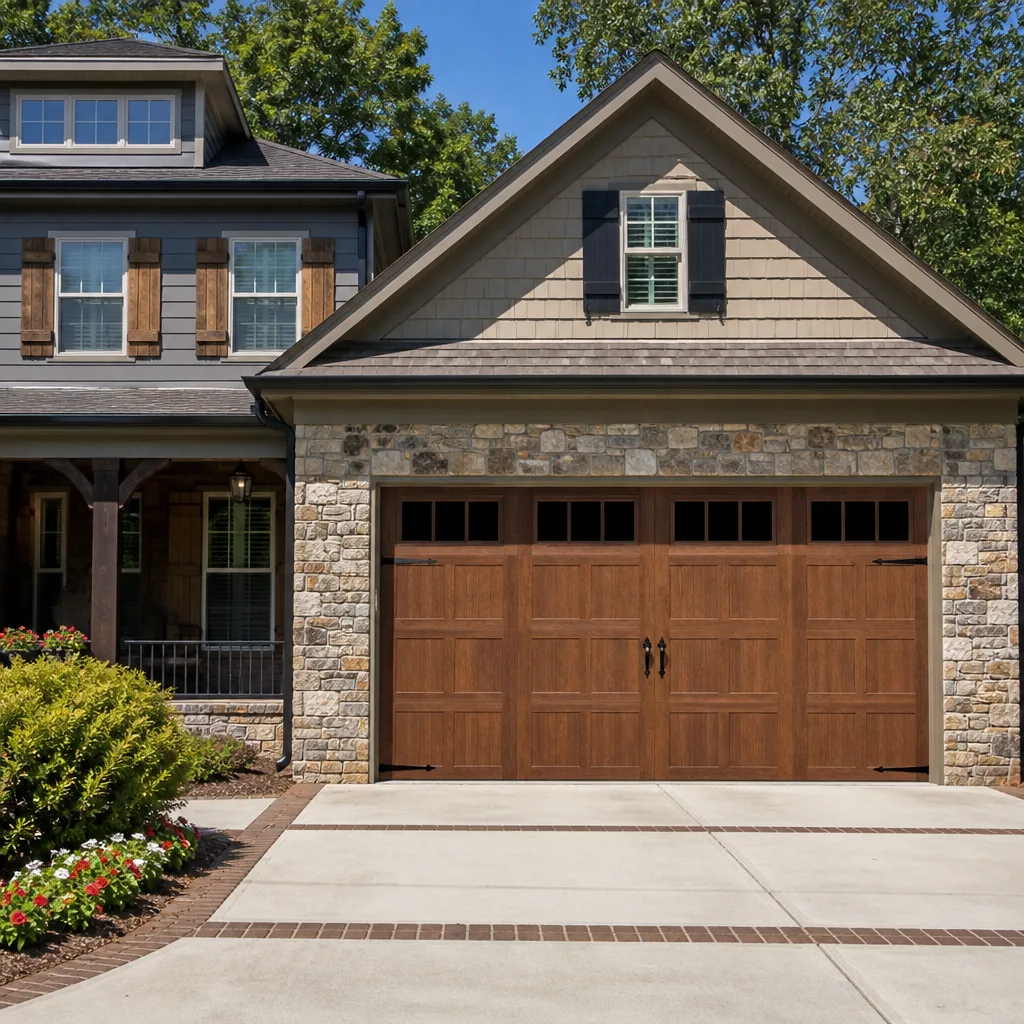 Impact garage doors
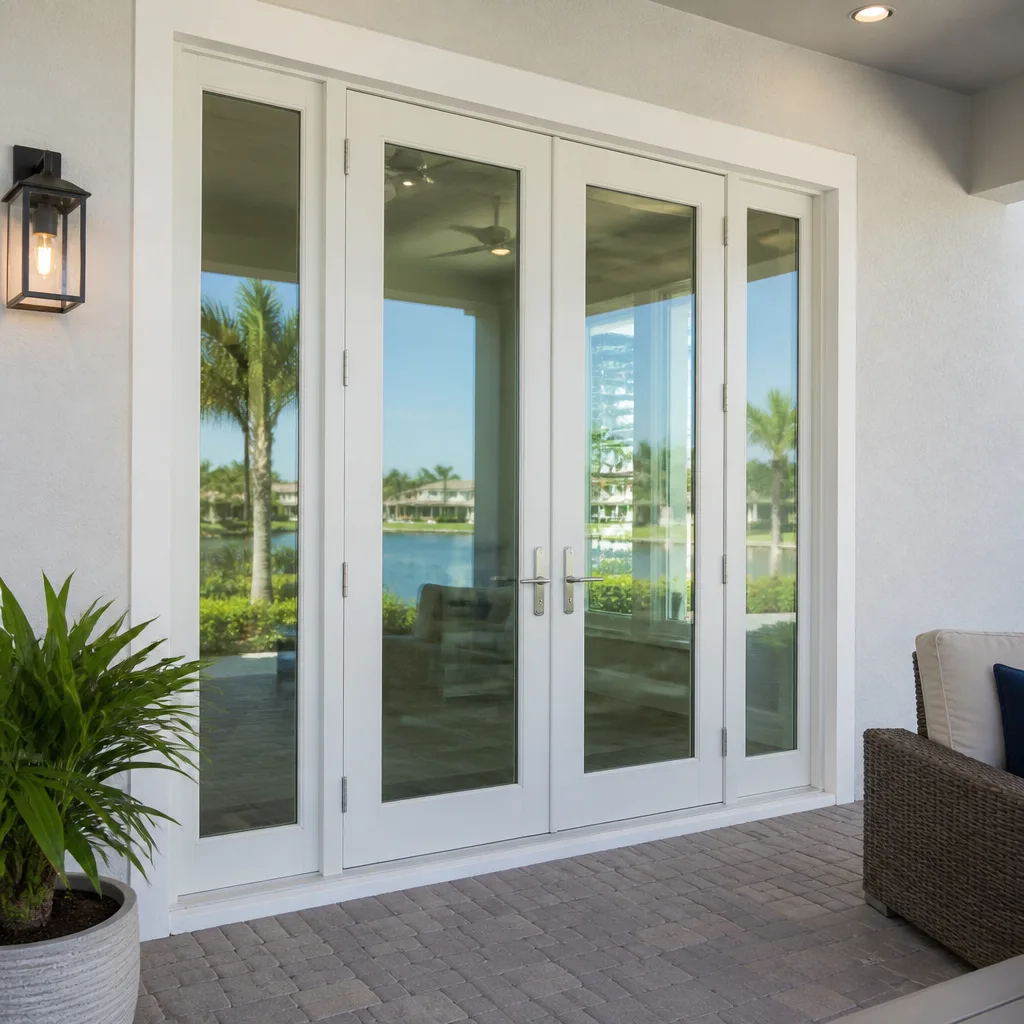 PGT
 CGI
Free in-home measure and quote - PGT, CGI and CWS impact lines compared on your actual openings, style by style
Get your free estimateWindows & Doors Warning Signs: A North Las Vegas Homeowner’s Reference Guide
A hairline crack in a vinyl window frame looks cosmetic. In North Las Vegas, where frames expand and contract through a 60°F daily temperature swing in spring, it’s a stress fracture that will split within two heating seasons. That gap between what a defect looks like and what it means is the whole problem. National checklists are written for moderate climates, and they tell you to wait. Here, waiting costs you. This guide walks through the visual, comfort, acoustic and operational signs that matter in the desert, how to tell a failing part from a failing unit, and where repair stops making financial sense.
Quick Answer
In North Las Vegas, the signs that justify replacement rather than repair are cracked or chalky vinyl frames, sun-bleached fiberglass with visible fibers, aluminum frames with white oxidation along the joints, failed seals that fog the glass, and doors that have shifted permanently in the opening. Hot spots and drafts that persist after your HVAC has been checked point to glazing or frame failure, not your air conditioner. Our technicians have up to 14 years of experience, and the pattern we see most is homeowners replacing equipment when the window was the problem.
Styles & brands we work with
- Single hung
- Double hung
- Horizontal roller
- Casement
- Bay & bow
- Sliding glass doors
- Entry doors
- Impact garage doors
- PGT
- CGI
Table of Contents
- The Visual Signs Desert Exposure Leaves on Windows and Doors
- Hot Spots and Cold Drafts: When It’s Not Your HVAC
- What a Suddenly Noisier Window Is Telling You
- Sticking Sashes vs. Shifted Doors: Product Failure or Structural Movement?
- Repair or Replace? Honest Cost Thresholds
- Door-Specific Warning Signs
- A Seasonal Inspection Checklist for North Las Vegas Homes
The Visual Signs Desert Exposure Leaves on Windows and Doors
Sun does the damage here before anything else does. North Las Vegas sits at elevation with intense ultraviolet load and roughly 300 sunny days a year, and building products that survive a damp climate can degrade faster in dry heat. The signs are specific enough that you can walk your home and read them.
Vinyl frames. New vinyl is smooth and slightly glossy. When it turns chalky, a white powder rubs off on your hand, and the surface feels like a chalkboard. That’s the plasticizer leaving the material. Yellowing is the earlier stage. Once vinyl goes chalky, it has lost flexibility and a hairline crack is a fracture waiting to run. Check the sun-facing side of each frame first, since that’s where it starts.
Fiberglass frames. Fiberglass handles heat better than vinyl, but when it bleaches to a pale, flat color and you can see fine fibers at the surface, the resin layer has worn through. That’s not a paint problem. It’s a material integrity problem, and it usually shows up on west and south elevations first.
Aluminum frames. Aluminum doesn’t chalk, it oxidizes. Look for a white, powdery bloom at the corners, along the sill, and around the weep holes. Oxidation at the joints is the tell. It means moisture is sitting where the frame should be draining, and the joint is loosening.
Glass. Fogging or a milky haze between panes means the seal on the insulated unit has failed and the desiccant inside is saturated. Once that happens, the unit’s insulating value is gone even though the glass is still in one piece.
Hot Spots and Cold Drafts: When It’s Not Your HVAC
Most homeowners in North Las Vegas call an HVAC technician first, and that’s reasonable. But if the system is holding its setpoint and one room still runs hot in July, or you feel cool air moving across your ankles at the front door in January, the building envelope is the likelier culprit. Here’s how to isolate the source before you spend money on the wrong trade.
- Test the glass separately from the frame. On a hot afternoon, hold the back of your hand a few inches from the center of the glass, then near the frame edge. If the center feels hot and the edge feels warm, the glazing is the weak point. If the edge is hot and the center is fine, the frame or the seal around it is failing.
- Check the weatherstripping with a dollar bill. Close the door or window on a bill. If it slides out with no resistance, the seal has compressed flat and is doing nothing. Run the test at three points: the top corner, the middle, and near the latch.
- Look for daylight at the perimeter. Turn off the interior lights during the day and look along the frame. A visible line of light means the gap between the unit and the rough opening has opened, which is a frame or installation issue, not a glazing one.
- Compare rooms on the same elevation. If one west-facing window is hot and the one beside it is fine, the problem is that unit. If every west-facing room is hot, the glazing spec on that elevation is probably too low for the exposure.
That last point matters more here than in most markets. A window that performs acceptably on a shaded north wall may be the wrong product for a full-sun west wall in North Las Vegas. When the fault turns out to be the product spec rather than a worn part, moving to an energy-focused line like ECO Window Systems or ES Windows is usually the fix, and it’s the reason we carry more than one manufacturer instead of pushing a single catalog.
What a Suddenly Noisier Window Is Telling You
Sound is often the first warning, and it shows up before anything you can see. If road noise from a nearby arterial, aircraft traffic, or a neighbor’s conversation has become noticeably clearer through a window that used to mute it, the acoustic seal has degraded. People describe it as the window “getting thinner,” and that’s a fair description of what’s happened.
Here’s why it works that way. An insulated glass unit blocks sound through mass and through the trapped air or gas between the panes. When the perimeter seal fails, the cavity loses its gas fill and takes on moisture, and the assembly’s ability to damp sound drops. You hear it before you see it because your ears are more sensitive than your eyes are to a change of that size.
Three acoustic patterns are worth knowing:
- High-frequency noise coming through clearly. Tires on pavement, birds, conversations. This usually points to a failed perimeter seal or a sash that no longer seats tightly against the frame.
- Low-frequency rumble that’s gotten worse. Heavy trucks, bass, aircraft. Often a sign the glass unit has lost its gas fill, or that the unit was single-pane or thin-gauge to begin with and never performed well on that elevation.
- Noise that changes with wind direction. That’s air leaking around the frame, which is a weatherstripping or shimming problem, not a glass problem.
For homes near the busy corridors and industrial edges around North Las Vegas, acoustic performance is a legitimate reason to specify impact-rated product. Impact-rated units from PGT and CGI use laminated glass, and laminated glass dampens sound better than standard insulated glass of the same thickness. If you’re replacing anyway and noise is on your list, it’s worth asking about.
Sticking Sashes vs. Shifted Doors: Product Failure or Structural Movement?
This is the distinction that changes what you do next, and it’s the one homeowners most often get backwards. A window that sticks is annoying. A door that has shifted is information.
Seasonal sticking is usually the product. If a sash drags in July and frees up in November, the frame is expanding with heat and the clearance was too tight to begin with. Vinyl moves more than fiberglass or aluminum under temperature change, and dark-colored frames on sun-facing walls move the most. Seasonal sticking is a nuisance, and it can usually be corrected by adjusting the sash or the hardware rather than replacing the window. It’s worth noting that repeated seasonal binding does wear the operating hardware faster.
Permanent shifting is usually the opening. A door that used to close with two fingers and now needs a shoulder is not a door problem in most cases. The frame has racked, which means the opening moved. Look for these together:
- A gap at one top corner of the door that wasn’t there before
- Latch hardware that no longer lines up with the strike plate
- Cracks in the drywall at the corners of the door opening
- Sticking that doesn’t improve with weather, or that gets steadily worse
In desert soil, movement around an opening is common, and the framing around a door takes more of it than a window because the rough opening is larger and carries more load. If you’re seeing permanent shift plus drywall cracking, get the opening evaluated before you order a new door. A replacement unit installed into a racked opening will bind too.
One more operational sign worth flagging: a sash that won’t stay up, or a door that swings open or closed on its own. Both point to hardware or balance failure, which is a repair on most units, not a replacement.
Repair or Replace? Honest Cost Thresholds
This is where general advice fails North Las Vegas homeowners most often, because the standard rule of thumb assumes a mild climate and a product that ages slowly. In desert heat, a unit that’s failing at the frame won’t stop failing, and a repair buys months rather than years. The threshold we use is not just a percentage. It’s a percentage combined with what’s actually failing.
Repair makes sense when:
- The frame is sound, and the issue is hardware, a balance, a lock, a hinge, or weatherstripping
- A single insulated glass unit has fogged on an otherwise healthy window, and matching glass is available
- The door has shifted and the opening can be corrected without replacing the unit
- The unit is still within the first several years of service and the failure is a warranty matter
Replace when:
- The frame itself is chalky, cracked, oxidized at the joints, or showing exposed fibers. A frame failure is not repairable in any meaningful sense.
- Two or more glass units on the same elevation have failed. That’s a pattern, not a coincidence, and the remaining units are on the same clock.
- The glazing spec is wrong for the exposure and the room has never been comfortable. Repairing a product that was never right for the wall it’s on just restores the original problem.
- A door has shifted permanently and the opening needs correction. At that point you’re replacing the unit anyway.
The honest cost threshold: if a repair estimate starts to approach half the cost of a new unit and the existing frame is already showing desert wear, replacement is the better use of the money. Repairing a chalky vinyl frame is money spent on a product that has already told you it’s finished.
Door-Specific Warning Signs
Doors fail differently from windows because they’re handled constantly and they carry the largest opening in the wall. Watch for these:
- Daylight at the corners. Any visible light around a closed exterior door means the seal has broken down or the door has warped. This is the single most reliable sign that a door needs attention.
- Water staining at the threshold or along the bottom rail. Entry doors take weather at the sill. Staining there means water is getting in and the material is absorbing it.
- A door that has delaminated or swelled at the bottom edge. Common on older wood and composite doors that have been wet repeatedly. Once the bottom rail swells, the door will no longer sit square.
- Finish breakdown on the sun-facing side. Peeling or fading on a west-facing entry door is normal wear at first and a material problem once it recurs within a season or two.
- Hardware that’s loose in the door, not just at the screws. If the screws won’t hold, the material around them is failing.
Entry doors are also the one place where homeowners tend to underweight aesthetics and overpay for it later. A door that fits the opening correctly and matches the house is a different purchase from a door that merely closes. That’s the reason we carry Therma-Tru as our entry-door line, alongside several window lines with different strengths.
A Seasonal Inspection Checklist for North Las Vegas Homes
Twice a year is enough. Do the first pass in spring, before the cooling season, and the second in fall, before the heating season. The whole walk takes about twenty minutes.
- Walk the exterior and rub each frame. Chalky residue on your hand on a vinyl frame, or visible fibers on fiberglass, means that unit is done.
- Inspect every joint and sill on aluminum frames for white oxidation. Pay closest attention to west and south elevations.
- Look through each glass unit from inside at an angle. Fogging or a milky edge shows up best when you’re off-axis.
- Open and close every operable window. Note which ones stick and write down the date. A pattern across seasons tells you whether it’s product movement or something else.
- Run the dollar-bill test on every exterior door. Top corner, middle, near the latch.
- Check for daylight and water staining at thresholds and corners.
- Listen. Stand in each room with the window closed and the HVAC off. If sound has gotten clearer than it used to be, note the room.
- Feel for hot spots on a hot afternoon. Center of glass versus frame edge, room by room.
Keep the notes. A dated record of when a window started sticking or when a room got hot is genuinely useful when you’re deciding between repair and replacement, and it’s the kind of thing a technician can read in two minutes instead of guessing at.
Common Mistakes to Avoid
- Replacing the HVAC before checking the windows. In North Las Vegas, a single hot room with a healthy system is a window problem more often than an equipment problem. Test the envelope first; it costs nothing and it can save you a five-figure equipment purchase you didn’t need.
- Caulking over a cracked frame. Sealant hides the crack and traps moisture behind it. On a vinyl frame that’s already chalky, it just delays the split.
- Judging a window by its interior face. Desert damage happens on the outside. The sun-facing exterior is where chalky vinyl, oxidized aluminum and bleached fiberglass show up first, so walk the outside of the house before you make any decision.
- Buying on price per unit without matching the product to the elevation. A low-cost window on a full-sun west wall will underperform a correctly specified one, and you’ll pay for it in comfort and cooling load. Match the line to the exposure, not to the square-foot price.
- Ordering a new door into an opening you haven’t checked. If the rough opening has racked, a new door will bind exactly like the old one. Get the opening evaluated first.
- Treating seasonal sticking as a sign of failure. Binding that comes and goes with temperature is usually clearance, and it’s adjustable. Permanent sticking is the one to worry about.
- Ignoring noise. A window that has gotten acoustically thinner has failed even if it still looks fine, and the same seal failure that lets sound in lets conditioned air out.
See the difference
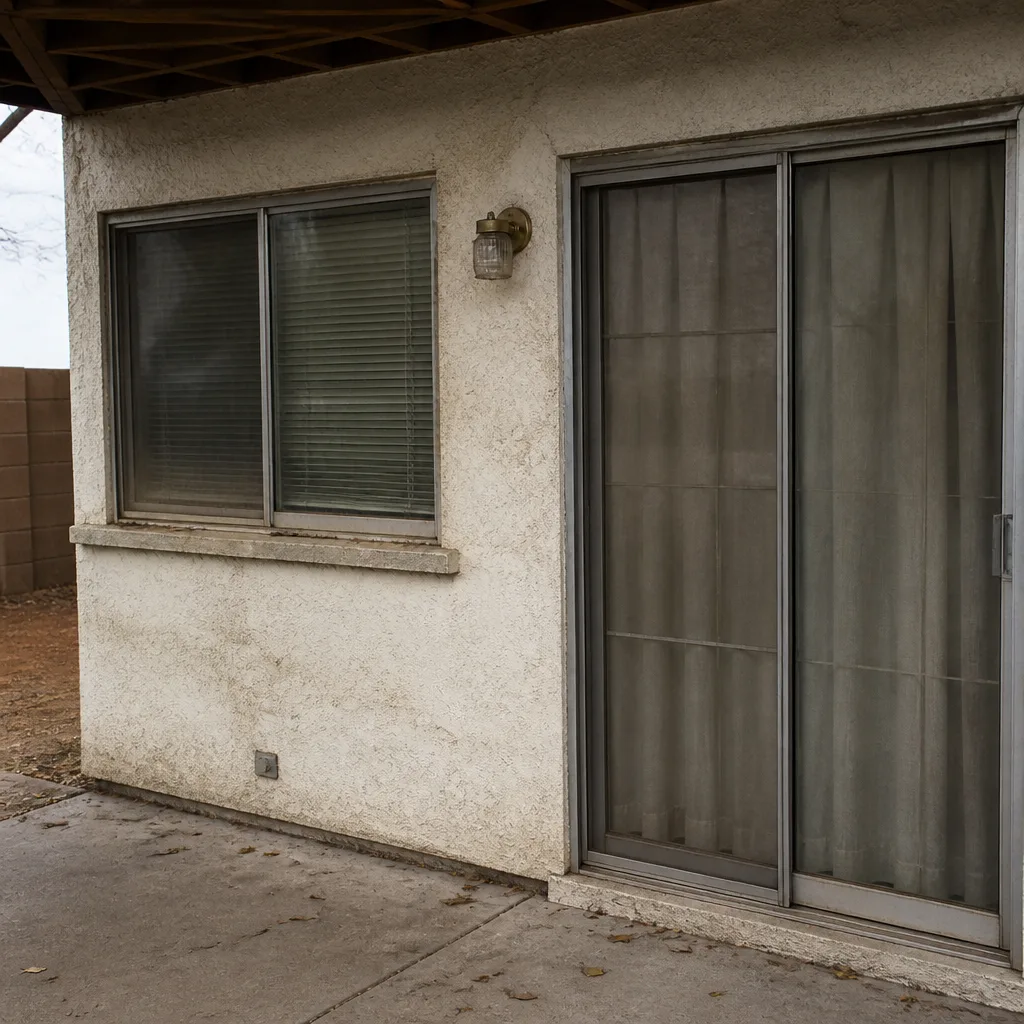 Before
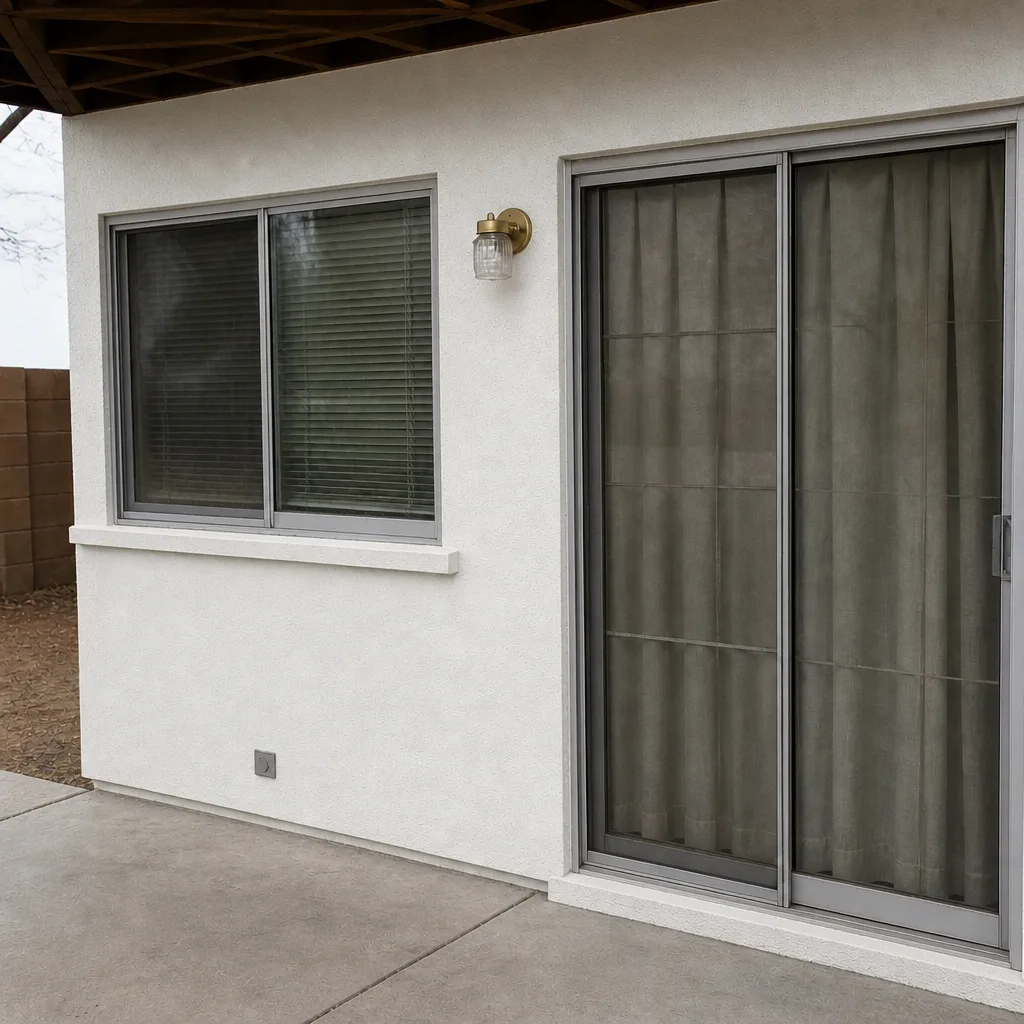 After
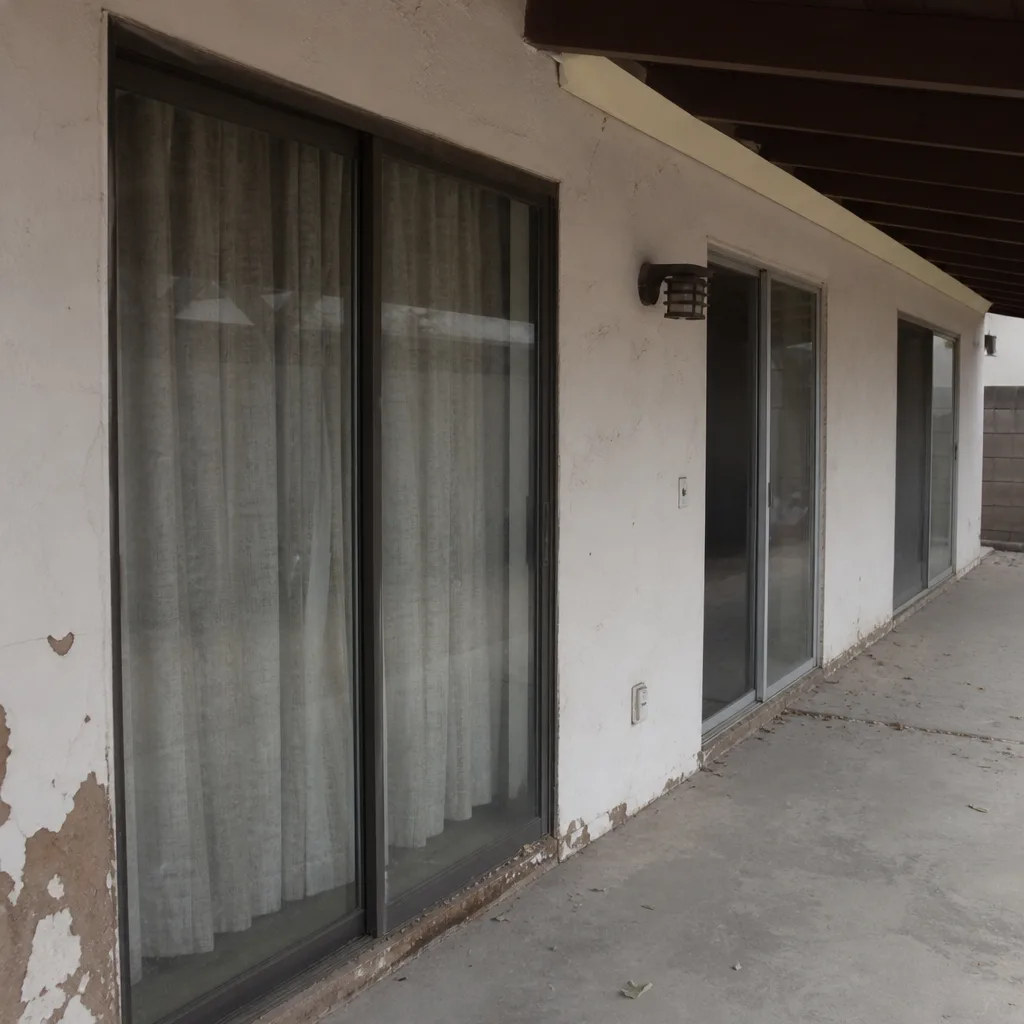 Before
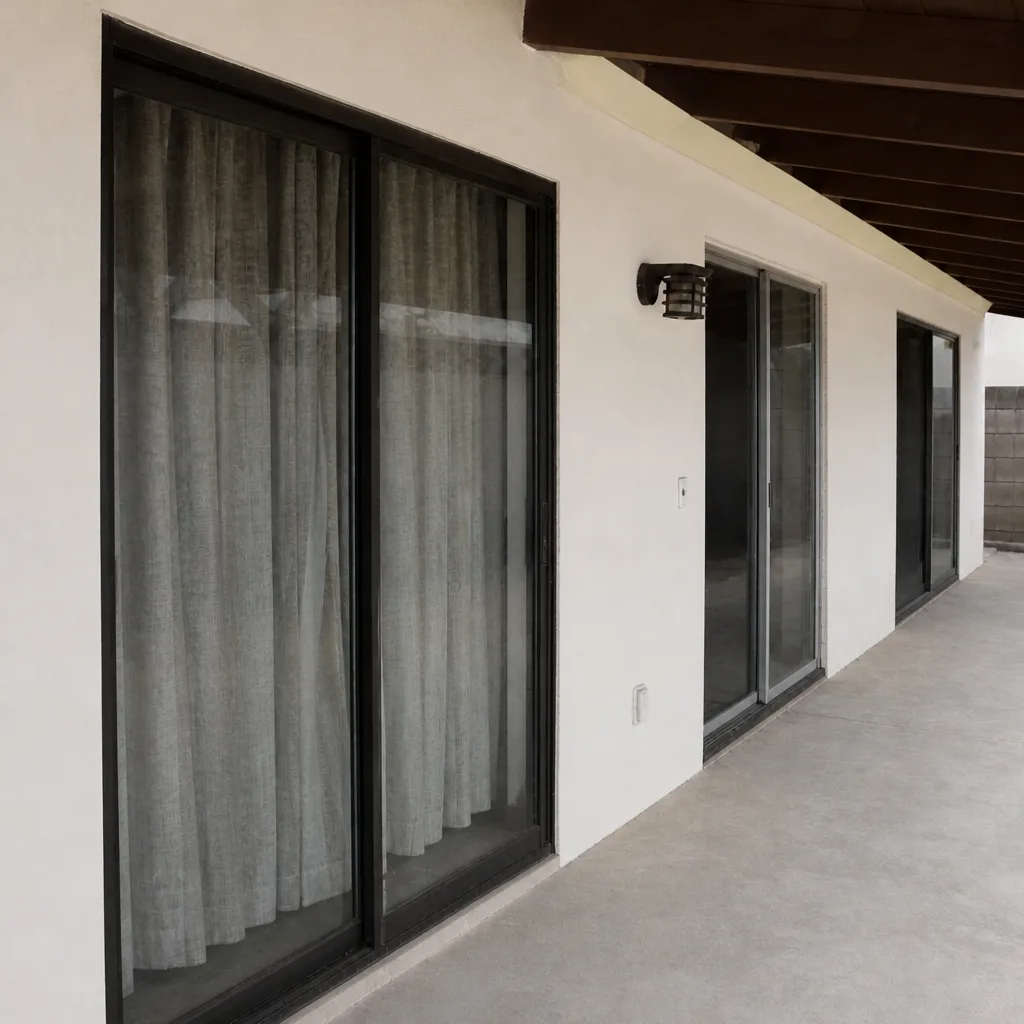 After
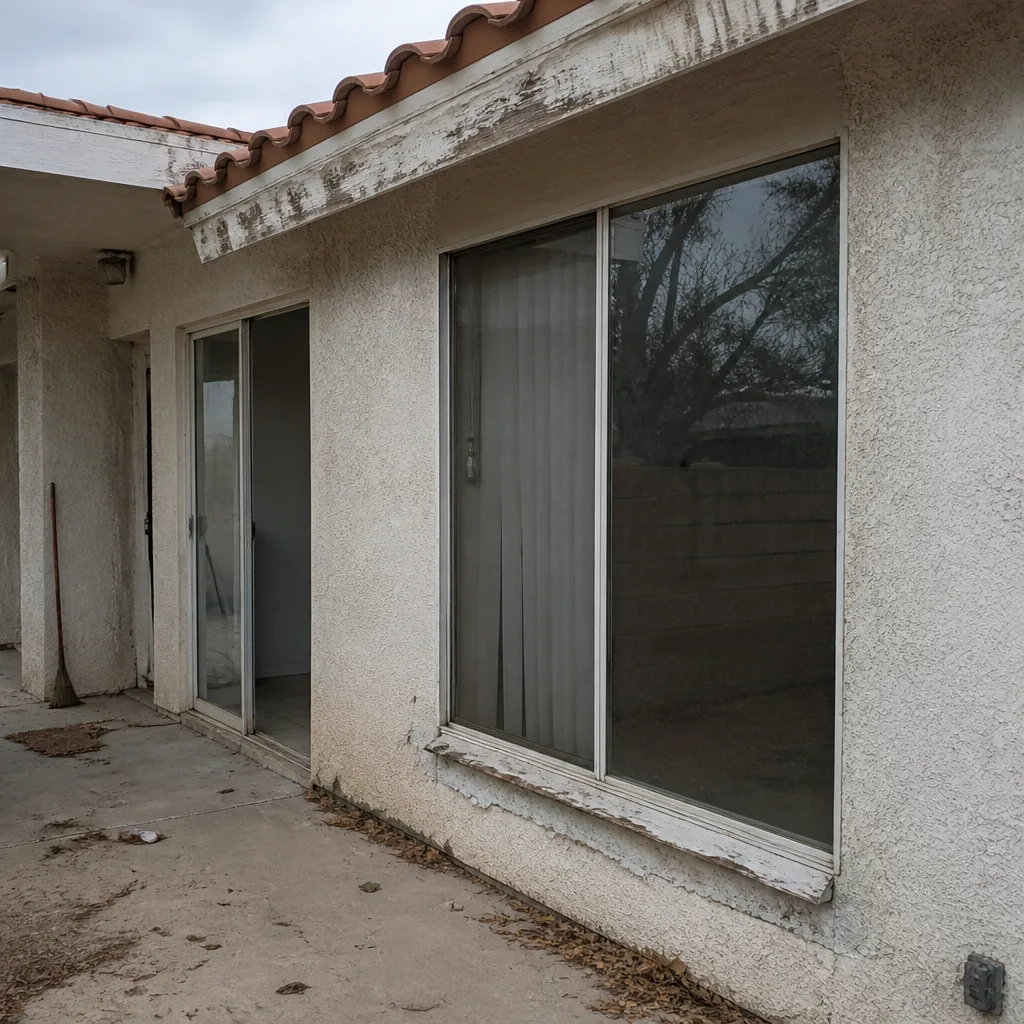 Before
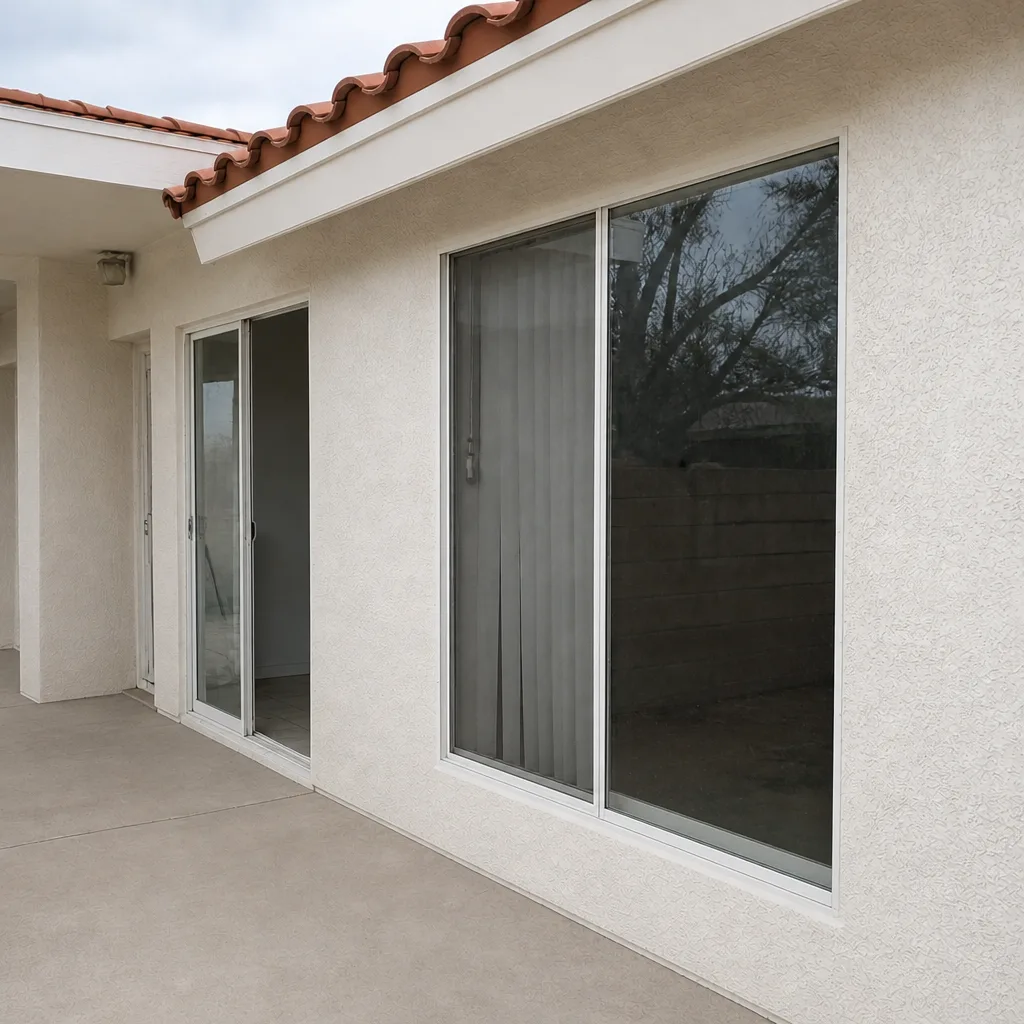 After
When to Call a Professional
Call a specialist when the frame itself is compromised: chalky or cracked vinyl, oxidized aluminum joints, fiberglass showing fibers, or a door that has shifted permanently in its opening. Those aren’t maintenance items, and no amount of caulk or adjustment will bring the material back. Call when two or more glass units on the same elevation have fogged, because that indicates a systemic failure rather than a single bad unit. Call when a room never gets comfortable despite a working HVAC system and you’ve already isolated the fault to the glazing or the frame. And call before you order product, not after, so the specification matches the elevation and the opening is verified.
North Las Vegas Windows & Doors offers free estimates in North Las Vegas – call (844) 560-4723. We answer 24/7. Fast dispatch from 7am to 7pm, Sunday through Friday. Every estimate is written line by line, so you can compare repair against replacement on paper rather than on a guess.
Frequently Asked Questions
The clearest signs are physical damage to the frame itself: chalky or cracked vinyl, aluminum joints blooming with white oxidation, or fiberglass that has bleached and shows exposed fibers. Add fogged glass, permanent drafts, and a room that stays hot after the HVAC has been checked. Frame damage means replacement. Hardware, weatherstripping and single failed glass units are usually repairs. Call (844) 560-4723 for a free estimate and we’ll tell you which one you’re looking at.
Because of ultraviolet load and the daily temperature swing. North Las Vegas gets intense sun and a large day-to-night temperature change in spring, and window materials expand and contract through that cycle repeatedly. Vinyl loses its plasticizers and goes chalky, fiberglass wears through its resin surface, and sealants at the joints open up. Products rated for a moderate climate don’t last as long here, which is why the standard national guidance about when to replace runs optimistic for this market.
A single fogged insulated glass unit on an otherwise sound window is worth repairing, as long as matching glass is available. Two or more fogged units on the same elevation is a different answer: that’s a pattern, and the remaining units on that wall are on the same clock. Call (844) 560-4723 and we’ll give you a written comparison of both options so the decision is based on numbers.
Usually not. Seasonal binding that comes and goes with temperature is clearance, and it’s typically adjustable rather than a sign of failure. The one to worry about is a door that has shifted permanently and no longer lines up with its strike plate, especially with drywall cracks at the corners of the opening. That indicates the opening has moved, and a new door installed into it will bind the same way.
Yes, and laminated glass is the reason. Impact-rated units from PGT and CGI use laminated glass, which dampens sound better than standard insulated glass of the same thickness. If you’re near a busy corridor or under a flight path, it’s worth specifying for acoustics and not just for storm resilience. Call (844) 560-4723 and we’ll walk through which lines fit your home.
Most homes are done in a small number of working days, and the exact timeline depends on unit count, access, and whether any openings need correction. We handle the full workflow from removal of the existing units through final installation, so you’re not coordinating between trades. Call (844) 560-4723 for a free estimate and a written schedule for your project.
The Bottom Line
In North Las Vegas, the signs that mean “repair” in a moderate climate often mean “replace soon” here, because desert sun and temperature swing attack the frame rather than the hardware. Learn to read the outside of your home: chalky vinyl, oxidized aluminum joints, bleached fiberglass, fogged glass, permanent door shift. Separate the repairable failures from the terminal ones, and use the seasonal checklist to keep a dated record so the decision is based on evidence instead of a feeling. When the frame is the problem, replacement is the honest answer. Call (844) 560-4723 for a free estimate.
If you’re weighing a full-house project rather than a single unit, our guide to window replacement covers how the process runs from removal to finished installation, and the window installation page explains what a new-construction or new-opening install involves. Either way, it’s worth understanding the difference before you compare quotes. For a look at the full range of products we work with, including lines from CWS and Mr-Glass alongside the impact and energy-focused brands, start at North Las Vegas Windows & Doors.
Written by the team at North Las Vegas Windows & Doors.