Last updated November 17, 2026
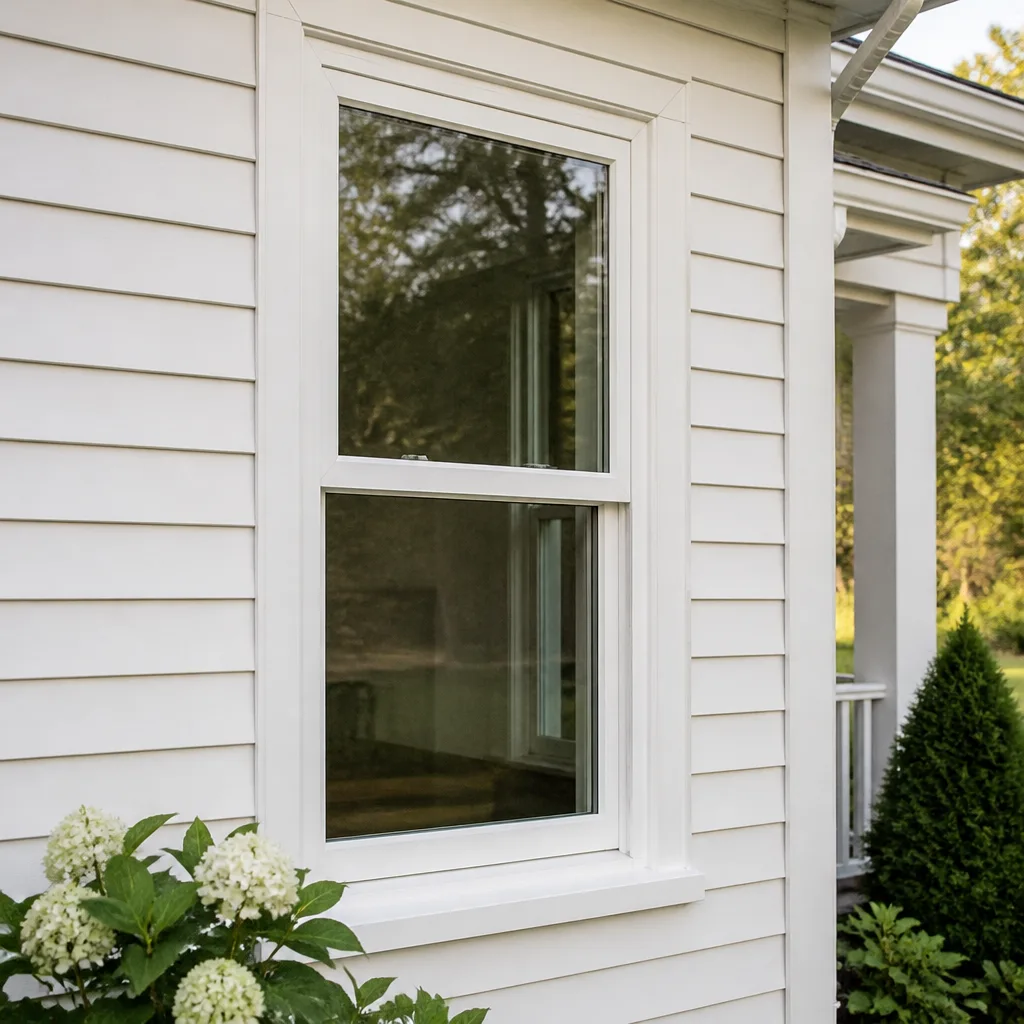 Single hung
 Double hung
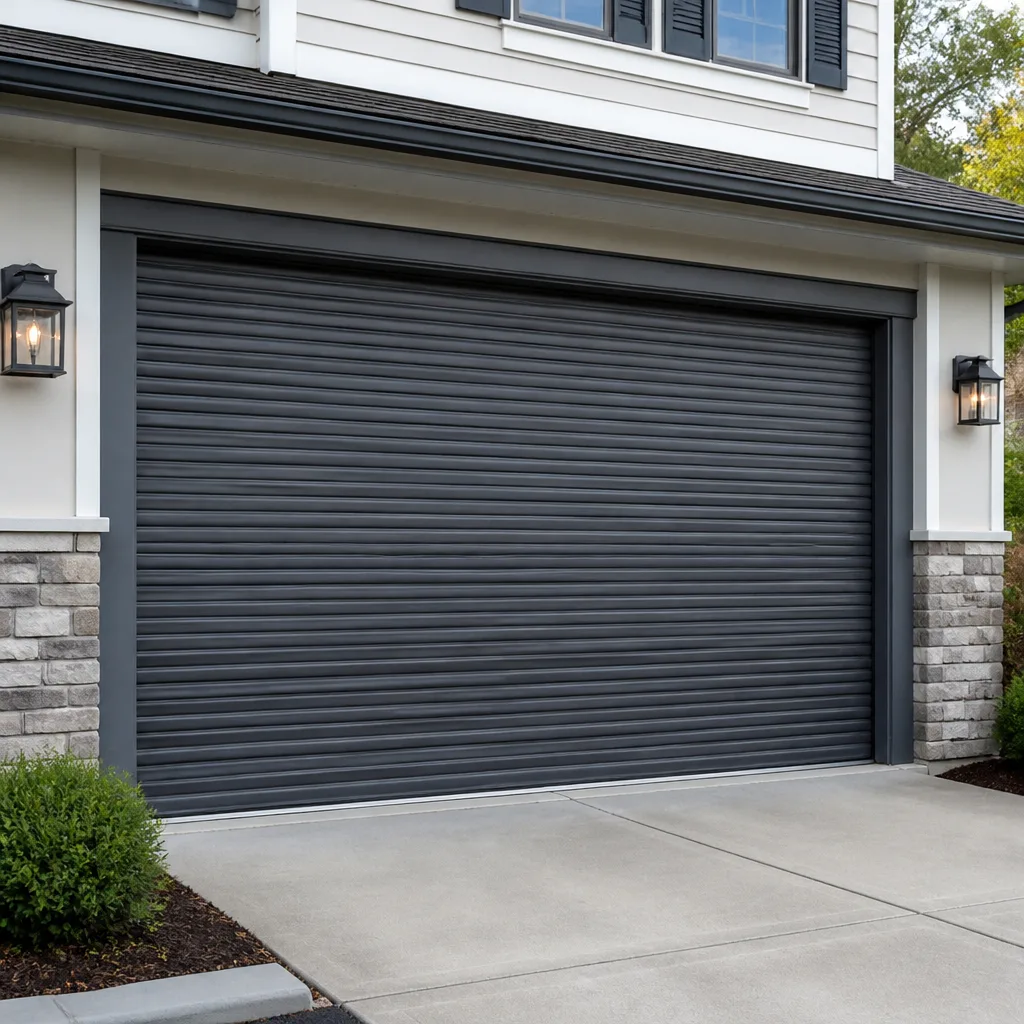 Horizontal roller
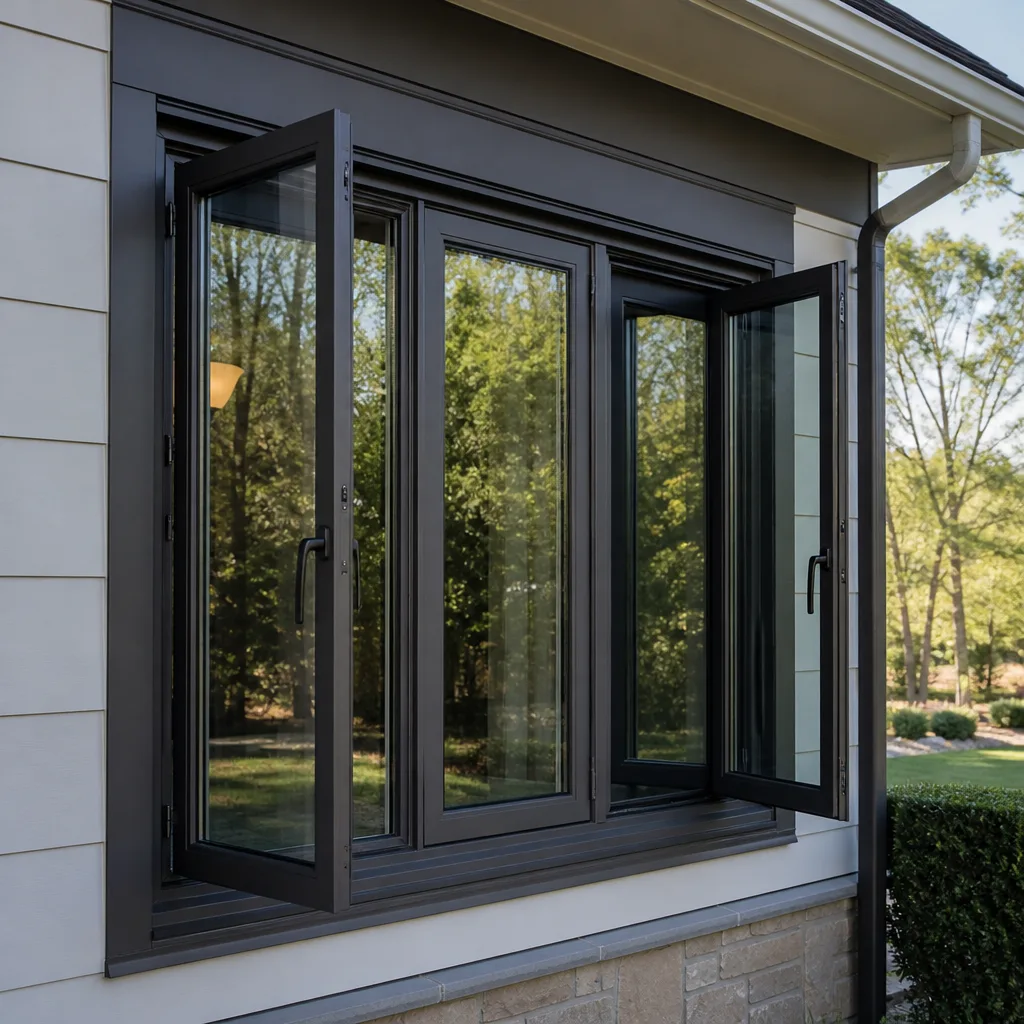 Casement
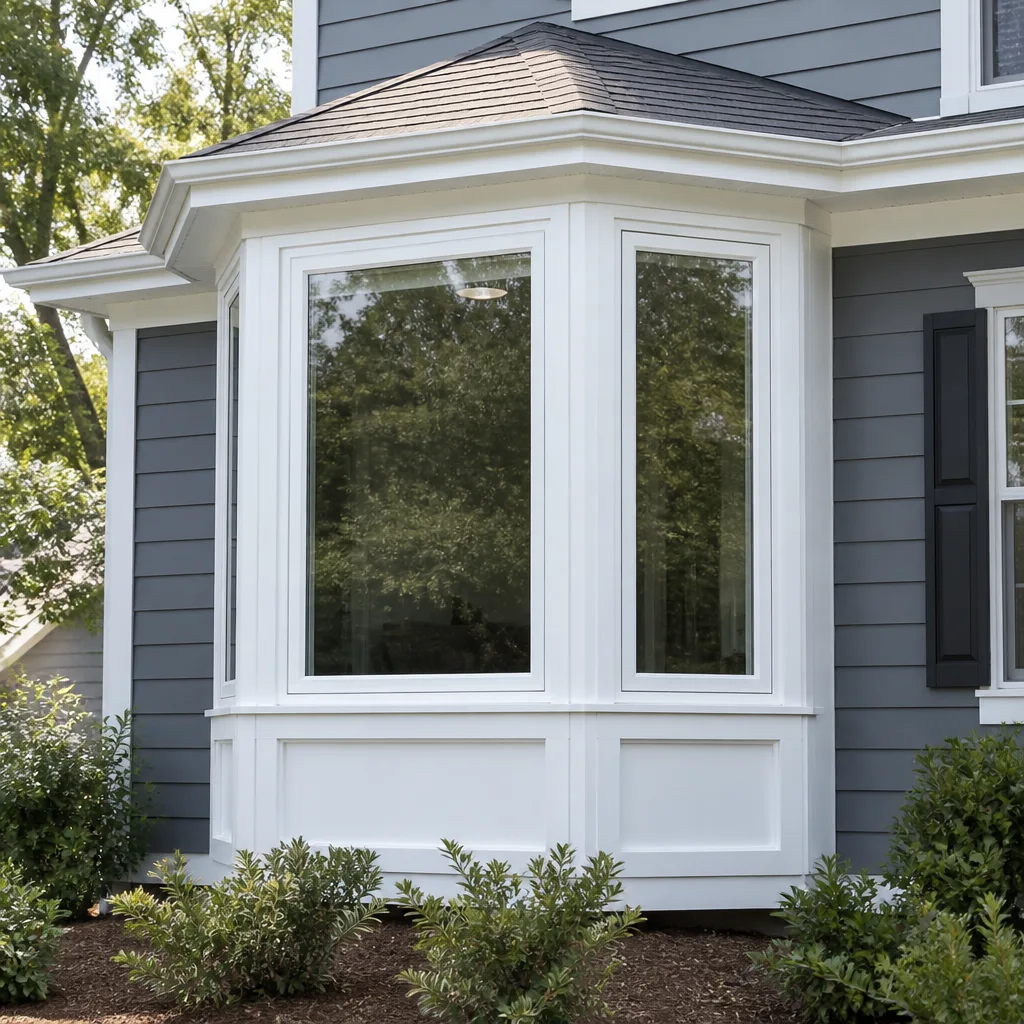 Bay & bow
 Sliding glass doors
 Entry doors
 Impact garage doors
 PGT
 CGI
Free in-home measure and quote - PGT, CGI and CWS impact lines compared on your actual openings, style by style
Get your free estimateWindow Replacement Troubleshooting in North Las Vegas: Common Problems and How to Fix Them
Most homeowners in North Las Vegas assume a foggy window or a drafty frame means the whole unit has to go. Usually it doesn’t. The desert does specific things to windows that have nothing to do with the window being cheap or badly made, and once you learn to read the symptoms you can tell a repair from a replacement before you spend a dime. In this guide we’ll walk through the failures we see most often in North Las Vegas, how each one starts, which are fixable, and the questions that tell you whether you’re looking at a product defect, an installation problem, or plain wear.
Quick Answer
Most window problems in North Las Vegas trace back to heat rather than poor product quality: failed seals between panes, frames that expand past their tolerances, and hardware that wears from sun exposure. Fogging between panes, frame separation, and stucco cracking around frames each point to a different root cause and a different fix. Diagnosis comes first; a full unit replacement is only the answer when the sealed glass unit itself has failed or the frame is structurally compromised.
Styles & brands we work with
- Single hung
- Double hung
- Horizontal roller
- Casement
- Bay & bow
- Sliding glass doors
- Entry doors
- Impact garage doors
- PGT
- CGI
Table of Contents
- Fogging vs. Condensation vs. Frame Separation: A Diagnosis Chart
- How Heat Cycling Stresses Vinyl Frames in North Las Vegas
- Why Casement and Awning Operators Fail Faster Here
- The Stucco Crack Halo Around Window Frames
- Repair or Replace? Where the Line Actually Sits
- Questions That Reveal Who’s Responsible
- Common Mistakes to Avoid
- When to Call a Professional
Fogging vs. Condensation vs. Frame Separation: A Diagnosis Chart
Three problems look similar at a glance and get lumped together as “the window is bad.” They aren’t the same. Here’s how to tell them apart before anyone touches the glass.
| Symptom | What You’re Seeing | Likely Cause | Typical Fix |
|---|---|---|---|
| Fogging between panes | Milky haze or water droplets trapped inside the sealed glass unit, unreachable from either side | Failed perimeter seal on the insulating glass unit; desiccant is saturated | Glass unit swap. Often a warranty claim on the sealed unit only. |
| Condensation on the interior surface | Beads of water on the room-side glass, wipes away | Humidity differential between indoor and outdoor air, not a window defect | Ventilation and humidity control. Not a replacement issue. |
| Frame separation | Gap between the frame and the surrounding wall, or between sash and frame at a corner | Thermal expansion, missed shimming at install, or settling of the rough opening | Depends: re-shim and re-seal, or reinstall. Rarely a full unit swap. |
The first column is the one that matters most. Fogging inside the sealed unit is a product failure of the glass assembly. Condensation on the room-side surface is a house-air issue and often clears with better ventilation, a different fan setting, or running the bath fan longer. Frame separation is where installation quality shows up years later.
In North Las Vegas, the sealed-unit failure often shows up first on the sun-facing side of the house, because those panes run hotter and cycle harder. The second most common spot we see is any window with heavy afternoon exposure combined with a missing exterior shade or awning. If a single window in a group of four has gone milky while the others are clear, that’s a strong hint you’re looking at a unit-specific defect, not a whole-home problem. It also means the fix is confined to that window, not the whole wall.
How Heat Cycling Stresses Vinyl Frames in North Las Vegas
Vinyl is a good material for window frames. It insulates well, it’s stable in the dimensions that matter, and it takes a wide range of color finishes. It also expands and contracts with temperature. That’s normal. What isn’t normal is when a frame is installed with too little clearance around it or with shims that are missing or misplaced, because the frame then has nowhere to move.
When a window frame is installed correctly, there’s a small allowance around the unit in the rough opening, filled with insulation and sealed on the outside. That allowance lets the frame breathe through the day. Here in North Las Vegas, the swing from overnight to afternoon can be large, and the swing from a cool desert morning to a sun-facing wall by 3pm can be larger still. Multiply that across a summer and the frame does a lot of work.
What goes wrong when shimming is skipped or rushed:
- The frame expands against the wall with nowhere to go, and the corner weld on the sash starts to open up.
- Weatherstripping gets pinch-flattened on one side, so the sash doesn’t seal.
- Glass sits unevenly in its setting blocks, stressing the sealed unit and shortening its life.
- Screws into the jamb loosen over time, and the whole unit begins to shift.
We can usually read installation quality from the inside of a house. A properly installed frame has a consistent reveal line at the corners, a sash that closes with even pressure all the way around, and no visible gap where the frame meets the drywall return. If one window in a room has a visible corner gap and its neighbors don’t, that’s an installation issue, not a product line problem. It’s the kind of thing that’s worth bringing up with whoever installed the units before you assume you need new ones.
Why Casement and Awning Operators Fail Faster Here
Casement and awning windows use a crank-driven operator to open and close. The mechanism is a small gearbox attached to a folding arm, and it does real work. Every time you open a casement, the operator has to push or pull the sash against the weatherstripping, and in a hot, dry climate that weatherstripping gets stiffer than it does in a mild one.
The net effect in North Las Vegas: operators see more load per cycle and the grease inside them dries out faster from heat. Homeowners start noticing the crank feels harder to turn, or the sash stops closing flush, or the handle spins without moving the arm. None of these mean the window is finished.
Hardware replacement is often the right call when:
- The glass is clear and the sealed unit is intact.
- The frame is square and the sash fits evenly.
- The problem is confined to the operator, the hinge, or the lock.
- The manufacturer still supplies parts for that model (brand matters here: lines like ViewLux and Mr-Glass take replacement components, and higher-volume brands like PGT and CGI tend to hold parts availability longer).
Full unit replacement is usually the right call when the frame itself is out of square, when the glass has gone milky, or when the operator has failed multiple times on the same window. Two failures on one unit in a short span is a sign the underlying geometry is wrong, and swapping the operator again won’t fix it. That’s a case where a fresh unit that’s set properly will outlast a third repair.
The Stucco Crack Halo Around Window Frames
Trace a hairline crack in the stucco around a window frame. If it runs in a rough rectangle around the perimeter, or blooms out from the corners, that’s the pattern we call a stucco crack halo. It shows up in North Las Vegas even in a year that sees very little rain, and it’s usually a sign that water is finding its way in somewhere, or that the frame and the wall are moving at different rates.
The halo means one of three things, and it’s worth distinguishing them:
- Movement. The frame expands and the stucco doesn’t, and the crack opens along the path of least resistance. Cosmetic, but worth sealing.
- Water tracking. A gap in the perimeter seal at the top or side of the frame lets water get behind the stucco. This shows up as a halo plus staining or a soft spot in the drywall inside.
- Installation flashings. Missing or improperly lapped flashing at the head of the window lets water in behind the stucco during the monsoon rains, even though annual rainfall here is only about four inches.
That last point catches homeowners off guard. Four inches of annual rain in North Las Vegas doesn’t mean water intrusion is impossible. It means most of that rain arrives in a handful of intense storms, and those storms find weak points. A halo on the north side of a house where the sun doesn’t dry things out quickly is a sign to look closely. Left alone, water behind stucco degrades framing and can cause drywall staining inside the room.
Repair or Replace? Where the Line Actually Sits
This is the decision homeowners actually want answered. The general rule: if the problem is confined to one component of the window and the frame and glass are sound, repair it. If the frame or the sealed glass unit has failed, the unit needs to be replaced.
Repair is usually right when:
- The glass is clear and the operator, hinge, lock or weatherstripping is the problem.
- Frame and sash are square and close evenly.
- One window in a group has an issue, and the others are fine.
- The window is still under a manufacturer’s covering on parts or glass.
Replacement is usually right when:
- The sealed glass unit has fogged, and the fix requires a new unit.
- The frame is out of square, warped, or has visible corner separation.
- A single window has needed repeat repairs on the same component.
- The window is original to a home of an older vintage and the glass is single-pane.
What we tell homeowners is to look at the group, not the individual window. If one window in a bedroom has gone milky and the rest are clear, replace the unit. If three of four in a wall have failed, the installation or the climate (probably both) is doing something to that group, and it’s worth a wider conversation. That’s the point where window replacement as a category makes sense, and where a product line built for extreme heat, like ECO Window Systems, actually earns its place in the conversation. A product built for a milder climate won’t outperform a well-installed one built for the desert here.
Questions That Reveal Who’s Responsible
The difference between a product failure, an installation failure, and simple maintenance matters because the money and the timeline come from different places. Ask these questions when you talk to any contractor, and the answers will usually tell you which category you’re in.
- “Is the sealed unit failure covered by the manufacturer?” Most impact-rated and energy-rated lines carry a covering on the sealed glass unit. If it’s a covered defect, the fix is a unit swap and the cost may be lower than you expect. If it’s not covered, you’re buying the unit.
- “Was the frame shimmed when it was installed?” This is the big one. If the installer shimmed properly, frame separation is unlikely. If not, you may be looking at reinstallation, not a replacement product.
- “Is the crack in the stucco movement or water?” A contractor should be able to check whether the crack is dry and cosmetic, or wet behind the stucco.
- “Does this look like one window or a wall?” A good contractor will look at the group, not just the failing unit.
- “If we replace, what changes for the next ten years?” A product line chosen for the desert (impact-rated lines like PGT or CGI, or energy-focused lines like ES Windows) will behave better in North Las Vegas heat than a unit built for a milder market.
The answers to those five questions tell you more than any brochure can. If you get vague answers, get a second opinion before committing. If you get specific answers tied to your actual windows, you’re dealing with someone who knows the trade.
When it’s time to replace, the details of window installation matter more than the brand names on the glass. A well-installed mid-tier unit outperforms a premium brand dropped in without shims. That’s a big part of why we keep eight manufacturer lines in the portfolio instead of one; the right choice depends on the house, the exposure, and what’s working (or failing) today.
Common Mistakes to Avoid
- Replacing a fogged window when the glass unit is all that failed. If the frame and sash are sound, you’re buying more than you need. Diagnose first, then decide. The cost difference is meaningful.
- Sealing a stucco crack halo without checking for water behind it. Cosmetic caulk over a water path hides the problem and lets framing rot quietly. Check before you seal.
- Assuming every draft means a bad window. In North Las Vegas heat, a drafty-feeling window in the afternoon often means a weatherstrip that’s lost its spring, not a unit that needs to come out.
- Choosing a product line without considering the exposure of each elevation. A wall that faces the afternoon sun needs a different product than a shaded wall. Buying one line for the whole house is often overkill on one side and undersized on another.
- Letting a contractor talk you into a full tear-out when the frames are sound. Sometimes the honest answer is a glass swap. A contractor who walks the house and tells you which windows need what is the one worth hiring.
- Skipping the stucco on the installation scope. Replacing a window means disrupting the exterior finish. Someone has to own that part of the work; confirm who does before you sign.
- Ignoring a failing operator until the sash won’t close. A stuck sash left in place can warp the frame or tear the weatherstripping. Address it early.
See the difference
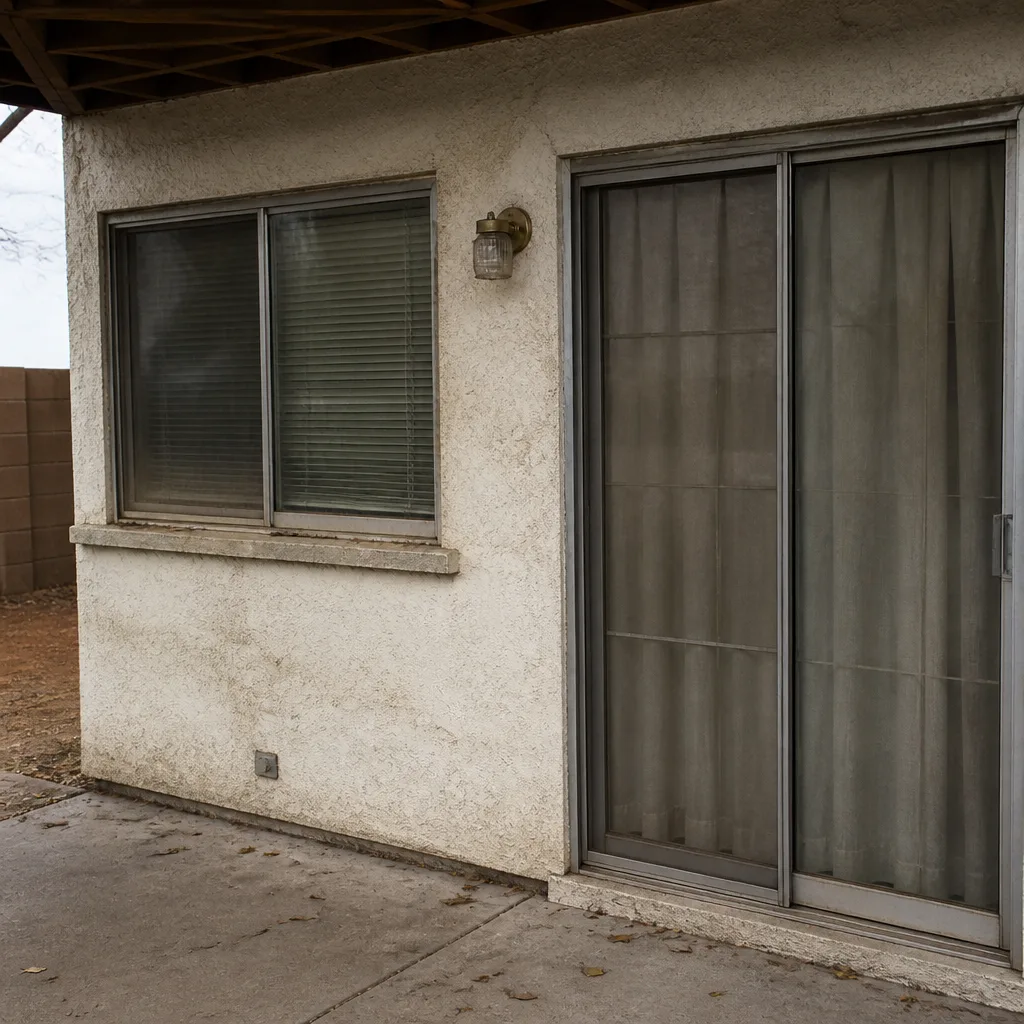 Before
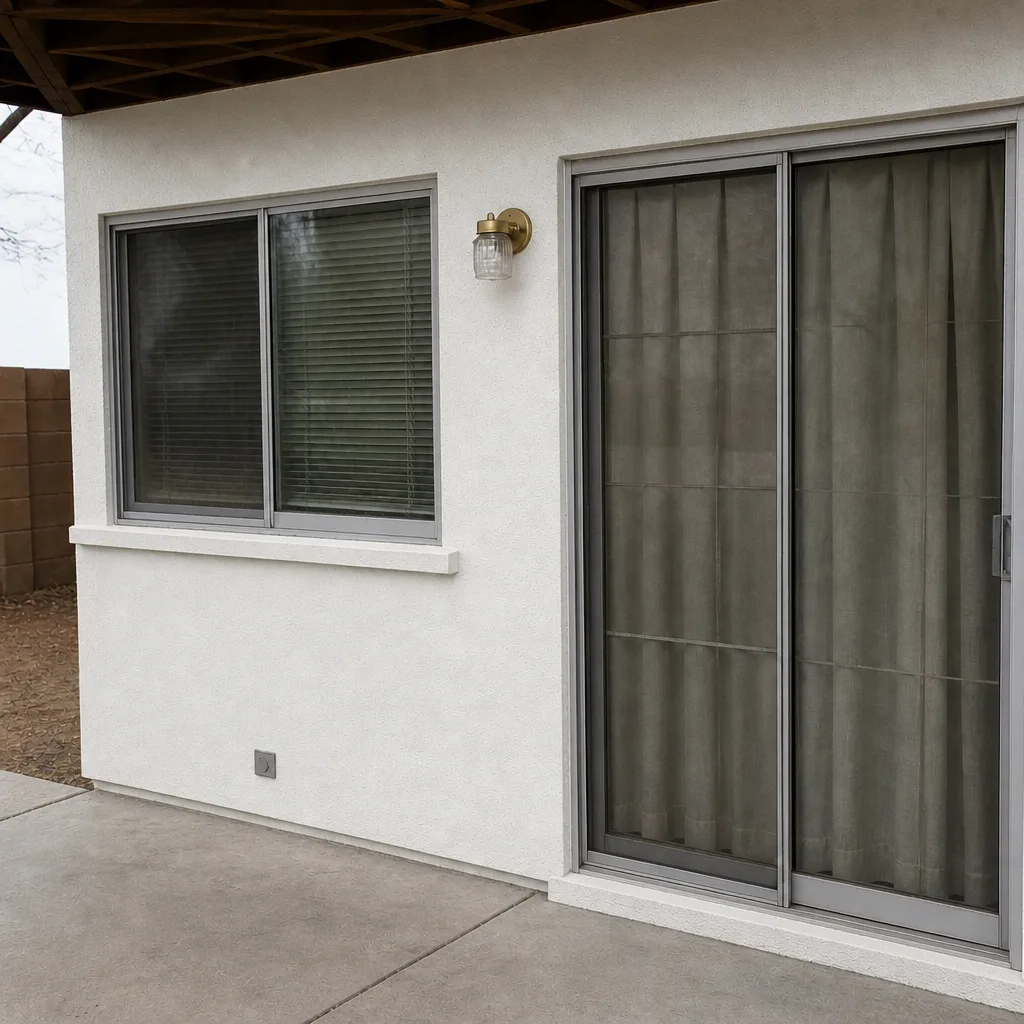 After
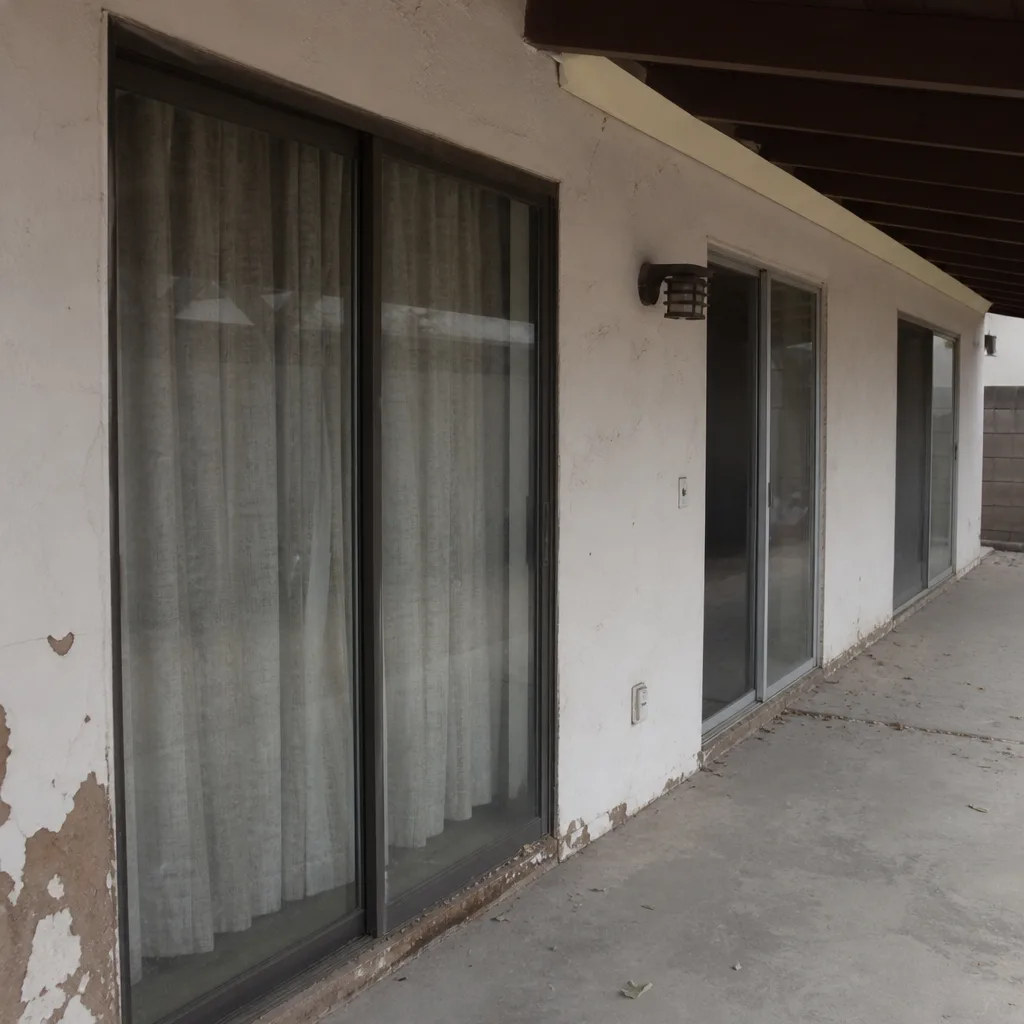 Before
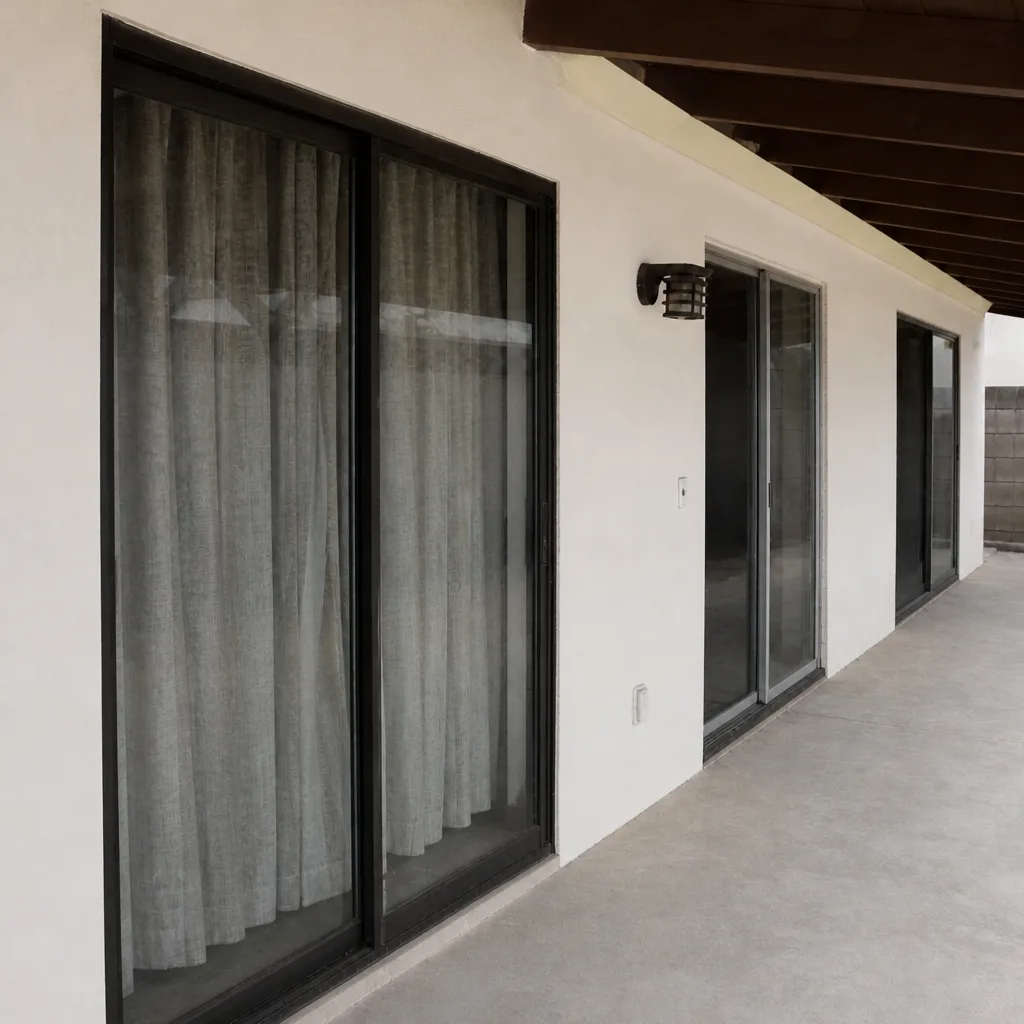 After
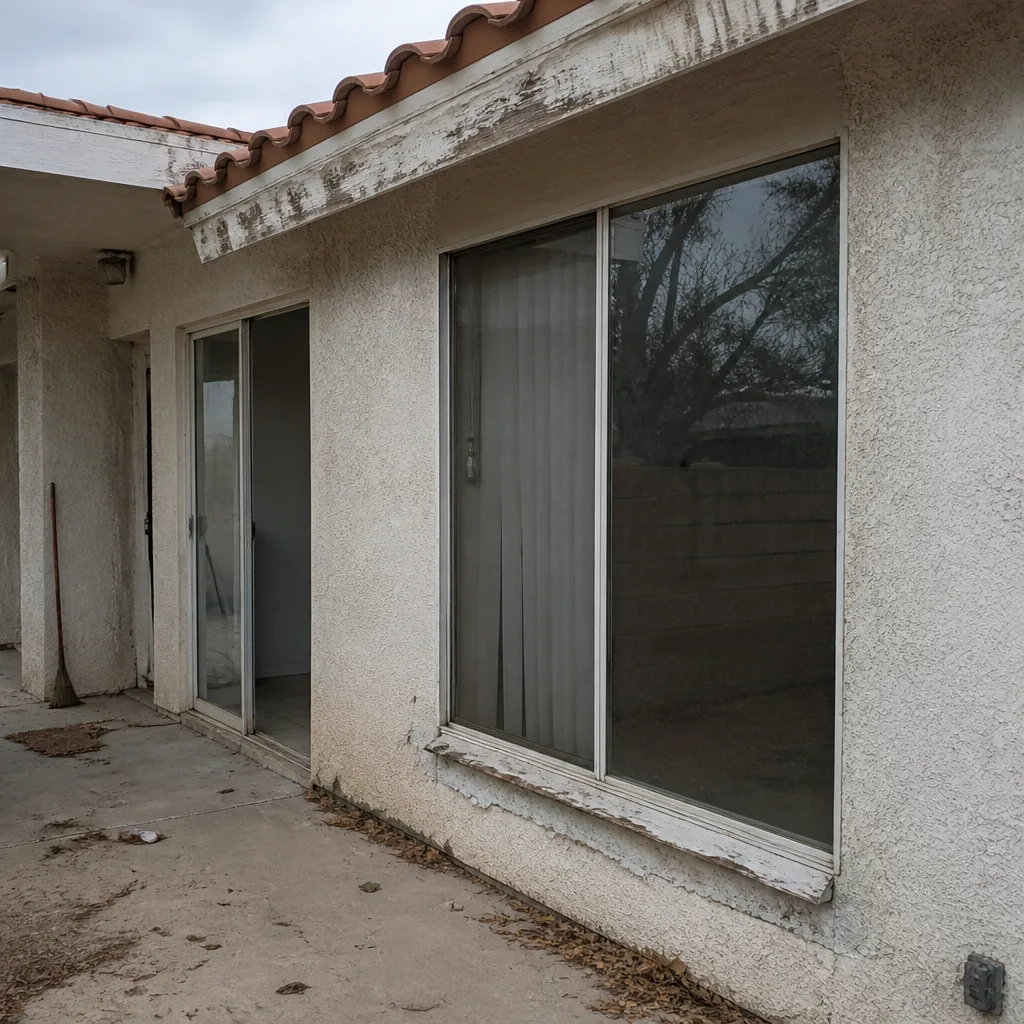 Before
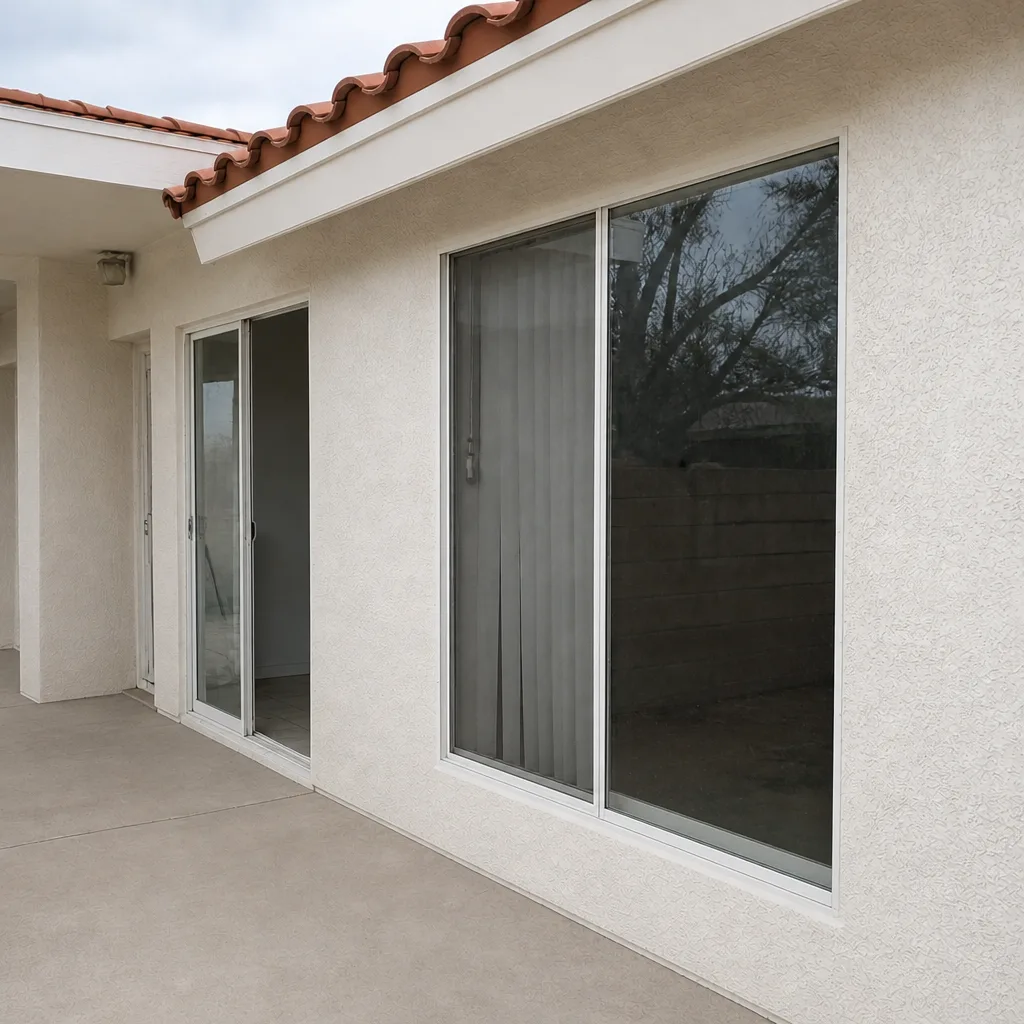 After
When to Call a Professional
Call a professional when the glass has gone milky inside the sealed unit, when a frame has separated from the wall or from the sash, when a stucco crack halo shows staining, or when a casement or awning operator no longer closes the window flush. Also call if a window has already been repaired once and the same problem is back. Those are the situations where an accurate diagnosis saves money, and where a wrong guess turns a repair into a full replacement. Our technicians have up to 14 years of experience reading exactly these symptoms. North Las Vegas Windows & Doors offers free estimates in North Las Vegas – call (844) 560-4723 to schedule yours. We answer 24/7. Fast dispatch from 7am to 7pm, Sunday through Friday.
Frequently Asked Questions
Fogging between the panes means the sealed glass unit has failed and moisture has gotten inside. In North Las Vegas heat, that perimeter seal usually fails faster than it would in a milder climate, so the milky band you see is almost always a glass-unit issue, not a frame issue. That distinction determines whether you need a unit swap or a full window replacement – and it’s the first thing we check. Call (844) 560-4723 for a free estimate so we can tell you which one you’re looking at.
Often just the sealed glass unit is covered, not the whole window, and only if the unit is within its manufacturer’s covering period. The frame, hardware, and labor are typically separate line items. Bring the original paperwork if you have it; if you don’t, the manufacturer can often look up the unit by brand and model. Call (844) 560-4723 – estimates are free, and we’ll tell you what looks like a covered defect and what doesn’t.
Yes, if the frame and sash are still square and sound. Replacing the sealed glass unit is often the right call when only the glass has failed. The catch is that the fix has to be matched to the frame it’s going into, and mismatched components void coverings and shorten the life of the new glass. Call (844) 560-4723 and we’ll walk through what your specific frames can and can’t take.
Stucco cracks around window frames are usually one of three things: the frame expanding at a different rate than the stucco, water getting behind the stucco from a bad perimeter seal, or missing flashing at the head of the window. It shows up here even with only about four inches of rain a year, because that rain arrives in intense storms. Don’t seal it until you know which one it is. Call (844) 560-4723 for an inspection.
The diagnosis itself should be free or folded into a written estimate. When a fix is needed, the price varies by the type of repair and the unit – a hardware replacement and a full unit swap sit in very different ranges. You should get a written line-item estimate before anyone touches a window, and it should set the final price. Call (844) 560-4723 for a free estimate.
Most cities require a permit for window replacement when the size of the opening changes or when the structural framing is altered, and some require a permit even for like-for-like swaps. North Las Vegas homeowners should ask the city’s building department directly, and ask any contractor to state upfront whether a permit is required and who pulls it. Call (844) 560-4723 if you want a second read on what a contractor tells you.
The Bottom Line
Most of what looks like a “bad window” in North Las Vegas is a symptom of heat, installation, or wear, and each one has a different fix. Fogging means the sealed glass unit failed; frame separation usually means installation, not product; a stucco crack halo means water or movement, and it’s worth checking which. Repair is often enough when the frame and glass are sound. Replacement is the right conversation when the unit itself has failed or the same window keeps coming back. Start with a diagnosis and a written estimate, not a sales pitch. The team at North Las Vegas Windows & Doors works across North Las Vegas helping homeowners sort exactly this, and we’re glad to look at your windows and tell you what we see. Call (844) 560-4723 for a free estimate. We answer 24/7. Fast dispatch from 7am to 7pm, Sunday through Friday.
Written by the team at North Las Vegas Windows & Doors.