Last updated November 17, 2026
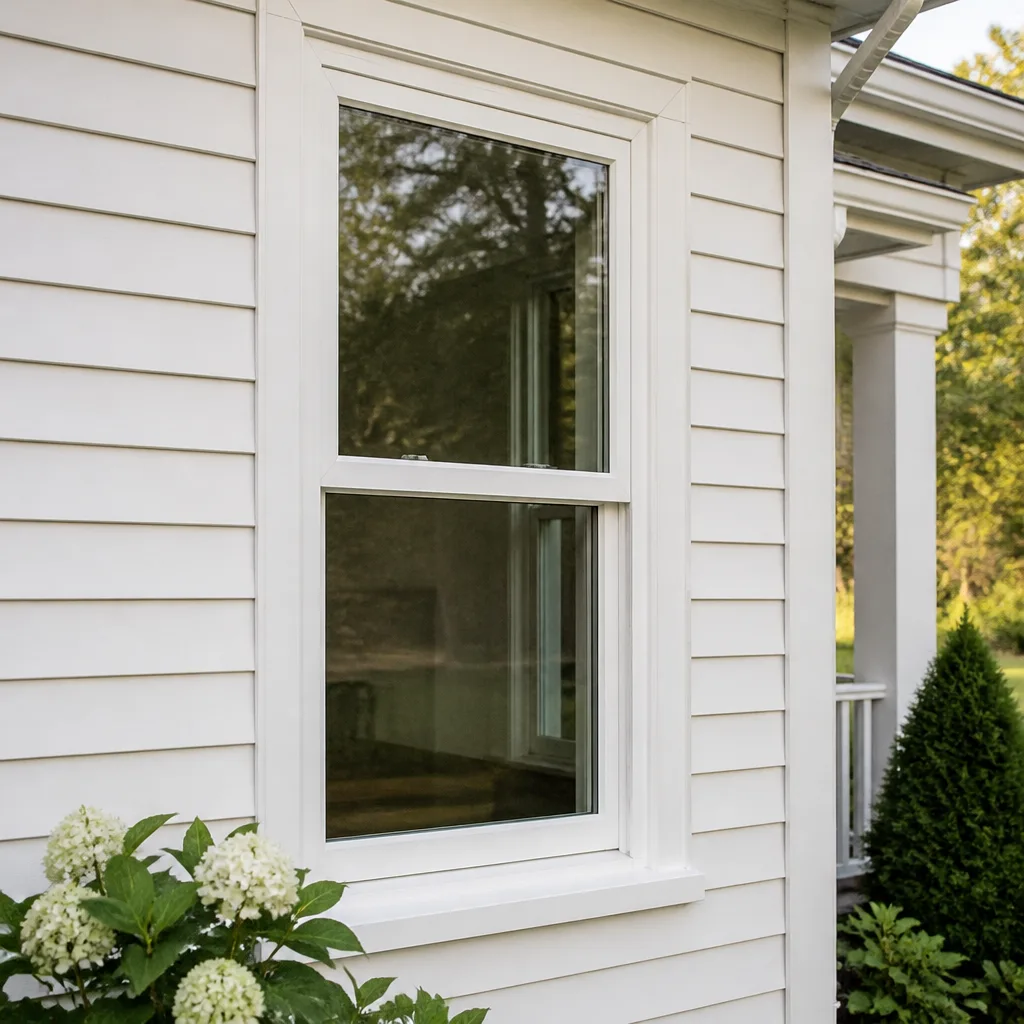 Single hung
 Double hung
 Horizontal roller
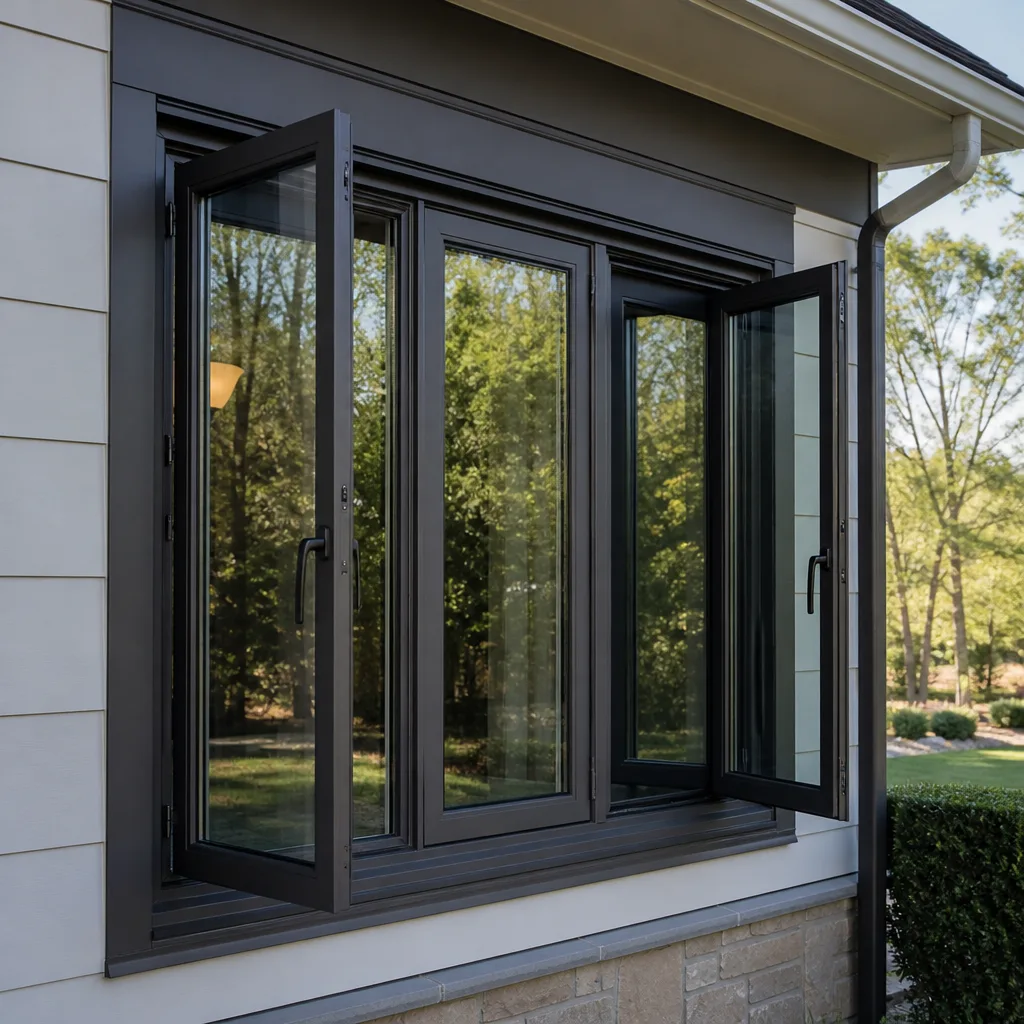 Casement
 Bay & bow
 Sliding glass doors
 Entry doors
 Impact garage doors
 PGT
 CGI
Free in-home measure and quote - PGT, CGI and CWS impact lines compared on your actual openings, style by style
Get your free estimateWindow Replacement Maintenance Checklist for North Las Vegas Homeowners
The number-one reason North Las Vegas homeowners replace windows prematurely isn’t product failure. It’s skipped maintenance that lets small seal failures and frame stress compound until full replacement is the only option. Most window care guides floating around online were written for four-season, moderate-humidity climates, and they miss the desert-specific failure modes that shorten window life here by years, not months. This checklist is calibrated for what actually happens to glass, frames, and seals in North Las Vegas: relentless UV exposure, hard thermal cycling between scorching afternoons and cool desert nights, and a water supply loaded with minerals that etch and stain if you let it sit.
Quick Answer
A North Las Vegas window maintenance routine should focus on four things: removing hard-water mineral deposits before they bond to glass and frames, inspecting for thermal seal failure (the fogging that signals gas loss), replacing weatherstripping on a desert-specific timeline rather than a temperate one, and clearing dust and caliche from screens and weep holes. Do these on a season-by-season schedule tied to the Las Vegas Valley’s actual weather, and you’ll get far longer service out of your existing windows before replacement becomes necessary.
Styles & brands we work with
- Single hung
- Double hung
- Horizontal roller
- Casement
- Bay & bow
- Sliding glass doors
- Entry doors
- Impact garage doors
- PGT
- CGI
Table of Contents
- Why Desert Windows Fail Differently
- Hard-Water Deposits: The Silent Glass Killer
- How to Spot Thermal Seal Failure Early
- Weatherstripping in 110°F Heat: What Survives
- Screens, Dust, Caliche, and Weep Holes
- Your North Las Vegas Seasonal Schedule
- When Maintenance Turns Into Replacement
- Choosing Your Installation Partner
Why Desert Windows Fail Differently
Window manufacturers test their products just about everywhere, but the stresses a window sees in North Las Vegas stack up in a way that surprises homeowners who moved here from milder climates. The sun here doesn’t take a season off. Week after week of direct, unfiltered UV hits glass, glazing compounds, and frame finishes. Meanwhile, afternoon temperatures in the summer routinely push past 110°F while overnight lows can drop dozens of degrees. That daily swing is thermal cycling, and it works on your windows the way flexing a paperclip does. Eventually something gives.
Add the region’s mineral-heavy water and its periodic dust events, and you have three simultaneous stressors that most general maintenance guides never mention:
- UV degradation: sealants, weatherstripping, and even frame color fade and become brittle under sustained desert sun.
- Thermal expansion and contraction: frames and glass expand in the afternoon heat and contract overnight, stressing seals and gaskets at every joint.
- Mineral and dust buildup: hard water leaves calcium deposits that etch glass; airborne dust packs into screens and weep channels.
The point isn’t that desert windows are doomed. It’s that the maintenance calendar you follow has to match the place. A task that’s “annual” in a mild climate might need to happen twice a year in North Las Vegas. And a maintenance habit that seems optional elsewhere is close to mandatory here.
Hard-Water Deposits: The Silent Glass Killer
Hard water is the single most overlooked threat to window glass in the Las Vegas Valley. Every time a sprinkler overshoots the landscaping and lands on your windows, or a hose sprays across the pane while you’re rinsing off the patio, you’re depositing calcium and magnesium on the glass. Left to dry, those minerals etch into the surface over time. Once that happens, no amount of scrubbing brings the clarity back. The etching is permanent, and it’s one of the most common reasons we see homeowners in North Las Vegas decide replacement is the only route left.
The right cleaning approach matters just as much as the frequency:
- Rinse and wipe promptly. Don’t let sprinkler water dry on glass. A quick pass with a soft cloth after any contact prevents the minerals from bonding.
- Use a diluted white-vinegar solution for light mineral spots. Vinegar dissolves calcium deposits without harming the glass surface itself.
- Avoid ammonia-based cleaners on anything with a low-E coating. The same goes for abrasive pads, scouring powders, and anything with “heavy-duty” on the label. You’ll strip or scratch the coating that’s doing the energy work.
- Keep window frames and screens well away from irrigation overspray. Adjust sprinkler heads so they don’t reach the walls. The same mineral load that spots glass will dull frame finishes and corrode aluminum over time.
One note on low-E coatings specifically: they’re micro-thin metallic layers applied to the inside of the glass. You can’t see them, but they’re sensitive to harsh chemicals. When in doubt, plain water and a drop of mild dish soap is the safest cleaner for any coated window. If you’re unsure whether your windows have a coating at all, the manufacturer’s documentation will tell you. The energy-focused lines we carry, like ECO Window Systems and ES Windows, use coated glass by design, so it’s worth knowing before you reach for a spray bottle.
How to Spot Thermal Seal Failure Early
Thermal seal failure shows up as fogging, haze, or condensation trapped between the panes of an insulated glass unit (IGU). What’s happened is the seal that held the argon or krypton gas between the panes has broken, and moist air has worked its way inside. In a desert, this is not a cosmetic problem. Once the seal is gone, the insulating gas is gone with it, and so is the energy performance you paid for. Caught early, the fix is sometimes just the glass unit. Caught late, water can work into the frame, corrode or rot it, and the whole window has to come out.
Here’s how to inspect for it on a regular basis:
- Check the glass early in the morning when the outdoor temperature is lowest and the indoor temperature is higher. Fogging or condensation between the panes (not on the room-side or exterior surface) is a sign of a broken seal.
- Look for a milky or cloudy haze on the inner glass from an angle, especially after a sunny day. Haze at the bottom of the pane is a classic early indicator.
- Run your hand near the inner edge of the frame on a hot afternoon and feel for warm spots. A failed IGU will feel noticeably warmer than a healthy unit right next to it.
- Photograph the fogging. Seal failure often gets worse over weeks. A dated photo helps you decide when to act and gives you something concrete to compare against if you bring in a professional.
Small fogging that hasn’t spread doesn’t always demand immediate replacement. But the clock is running. In our experience, an IGU that’s fogging in North Las Vegas will only worsen through the summer, because the same thermal cycling that broke the seal keeps stressing it. If you’re seeing it on more than one window, that’s a strong signal the unit’s design or the install may be part of the problem, and it’s worth a conversation about window replacement rather than a one-off glass swap.
Weatherstripping in 110°F Heat: What Survives
Weatherstripping is the weakest link in any window assembly in a desert climate. It’s the material that seals the gaps where the sash meets the frame, and it’s under constant attack from heat, UV, and friction. Different materials fail on very different timelines here:
- Foam weatherstripping degrades fastest in North Las Vegas. The extreme summer heat causes foam to compress, crumble, and lose its spring. Plan on inspecting foam seals at least twice a year and replacing them sooner than most guides suggest.
- Silicone weatherstripping holds up far better to heat and UV than foam does. It’s the material you want wherever it can be used, and it usually lasts several seasons before it needs attention.
- Brush seals (common on sliding windows and doors) collect dust here and lose their sealing as the bristles flatten. They need cleaning more often than replacement, but in a dusty desert environment they also wear faster than in a mild climate.
To test whether your weatherstripping is still doing its job, close the window on a dollar bill. If you can pull the bill out easily, the seal isn’t tight enough. The dollar test works on any window, but it’s especially revealing in a place like North Las Vegas, where the difference between a good seal and a worn one shows up in your summer energy bill. Replace any strip that fails the test, and inspect the whole perimeter of every window once the weather cools in the fall.
Screens, Dust, Caliche, and Weep Holes
Desert dust gets into everything, and windows are no exception. Screens collect it, weep holes fill with it, and track channels pack it down until the window starts binding. This is where a lot of homeowners get caught off guard, because the damage rarely announces itself. It just builds until something stops working.
The screens are the first line of defense and the first thing to clog. Wash them down with a hose and a soft brush each season, and check that the mesh hasn’t torn. A screen with a hole isn’t keeping the dust out of your window tracks. Caliche, that cement-like mineral crust you see on the soil here, can also build up on screens and frames if irrigation water splashes them. A stiff-bristled brush (not metal) and a vinegar solution will break it down. Don’t use a pressure washer on any window or screen, the pressure can tear mesh and force water past seals.
Weep holes deserve special attention. These are the small openings at the bottom of window frames and tracks that let water drain out instead of sitting. In a desert climate, it’s easy to assume you don’t need them, but wind-driven rain and sprinkler overspray both get water inside the assembly, and if the weep holes are clogged with dust and debris, that water has nowhere to go. It sits, it seeps, and it starts to corrode the frame or grow into the wall cavity. Clear them with a pipe cleaner or a stiff wire at every seasonal cleanout. It takes a minute, and it saves an enormous amount of headache.
Your North Las Vegas Seasonal Schedule
Standard maintenance guides assume spring, summer, fall, and winter. North Las Vegas doesn’t run on that model. It runs on a hot season, a cool season, a windy spring dust season, and a mild swing period in between. Here’s how to map the tasks to the local rhythm:
Spring (dust and wind season):
- Clean screens thoroughly and check for tears. Dust storms pack fine grit into mesh.
- Clear weep holes and window tracks of accumulated dust and caliche.
- Inspect exterior sealant around frames and address any cracks before summer heat stresses them further.
Summer (peak heat):
- Rinse glass quickly after any irrigation overspray, and don’t let hard water dry on it.
- Watch for fogging between panes. Summer is when seal failure becomes most visible.
- Check interior weatherstripping by the dollar test. Pressure on seals is highest during the heat.
- Keep an eye on frame finishes near sprinklers and adjust heads to avoid overspray.
Fall (the ideal inspection window):
- Do your most thorough inspection while temperatures are moderate. This is when you can safely test every window, weatherstrip, and seal without fighting the heat.
- Replace any weatherstripping that failed the dollar test over the summer.
- Clean tracks and hardware, and lubricate sliding mechanisms with a dry silicone lubricant. Skip oily products, which attract dust.
Winter and early spring (mild, but cold nights):
- Check exterior caulking and sealant while the weather is cool and stable.
- Look for condensation on the interior glass that suggests an air-seal problem at the frame, not the glass itself.
- Book your inspection of any windows you’re noticing performance issues with, so you have a plan before the heat returns.
This schedule assumes you’re maintaining the windows you already have. If your home has impact-rated units from a line like PGT or CGI, the maintenance calendar is the same. Impact glass is tougher, not maintenance-free.
When Maintenance Turns Into Replacement
Good maintenance extends a window’s life, but it doesn’t make windows last forever. North Las Vegas homeowners reach the replacement decision at different points, but there are clear signals:
- Multiple seals have failed. One fogged window can be repaired. Three or more across the house usually means the units are near the end of their service life.
- Frames are warped or deteriorated. Wood that’s softened or aluminum that’s corroded around the seal is a structural problem that glass repair can’t fix.
- Drafts won’t go away. If you’ve replaced weatherstripping and still feel air on windy days, the issue is the window’s fit, not the seal.
- The frames have gone through repeated repairs. Hardware that keeps failing and seals that keep breaking are a sign the assembly itself is at the end of its useful life.
- You’re chasing energy performance that isn’t there. Old, single-pane, or failing units strain your HVAC in a way that no amount of cleaning will fix.
At that point, the conversation shifts from maintenance to selection. This is where the breadth of the product lines we carry becomes a real advantage: the right window for your home, not just the one we have in stock. A north-facing bedroom dealing with summer heat does better with an energy-focused line like ES Windows or ECO Window Systems. A home with storm-resilience priorities wants impact-rated glass from a manufacturer like PGT or CGI. And every home deserves an entry door that seals properly and lasts, which is where Therma-Tru comes in. The window installation process itself is more than glass in a hole, from removal of the old units to final fit, and the same team should handle it start to finish so there’s one point of accountability.
Choosing Your Installation Partner
When it’s time to replace rather than maintain, the quality of the installation matters as much as the product. A window that’s poorly installed will fail faster than a mid-grade window that’s installed correctly. Here’s what to look for when you’re choosing a partner:
- Specialists, not generalists. Windows and doors are their own trade, with their own installation details. A specialist understands the flashing, the sealant sequence, and the thermal details that general contractors skip.
- Real product choice. A single-brand dealer can only recommend their brand. A multi-brand specialist can match the product to the home, whether that’s impact-rated glass, energy-focused units, or premium aesthetics.
- A clear, written estimate before work starts. You should know what you’re getting and what it costs, in writing.
- One team, start to finish. From removal to final install, the same crew should own the job. That’s how window replacement should work.
- Door expertise alongside the windows. Entry doors are part of the envelope, and a partner who can handle both is the right call.
Our technicians have up to 14 years of experience, and every product recommendation comes back to what the home actually needs. We carry eight brands across the windows-and-doors category, and we do nothing else. That’s deliberate.
Common Mistakes to Avoid
- Letting sprinkler water dry on glass. The minerals in Las Vegas Valley water etch into glass if they sit. Rinse and wipe after any contact. Two minutes now prevents permanent haze later.
- Using ammonia or abrasive cleaners on coated glass. Low-E coatings are sensitive, and once they’re damaged, the window’s energy performance is compromised for life.
- Treating fogging as cosmetic. Fogging between panes is a broken seal, and it won’t fix itself. The longer you wait, the more likely the damage moves into the frame, turning a glass repair into a full window replacement.
- Overlooking the weep holes. A clogged weep hole in a desert window seems harmless until wind-driven rain finds no way out. Clear them every season.
- Using the temperate-climate maintenance calendar. A once-a-year inspection is fine in a mild climate. In North Las Vegas, foam seals, screens, and weep holes need attention twice a year or more.
- Pressure-washing windows and screens. It forces water past seals, strips finishes, and tears mesh. A hose and a soft brush do the job without the damage.
- Ignoring drafts after replacing weatherstripping. If the seal is new and the draft persists, the problem is the window’s fit, not the weatherstripping.
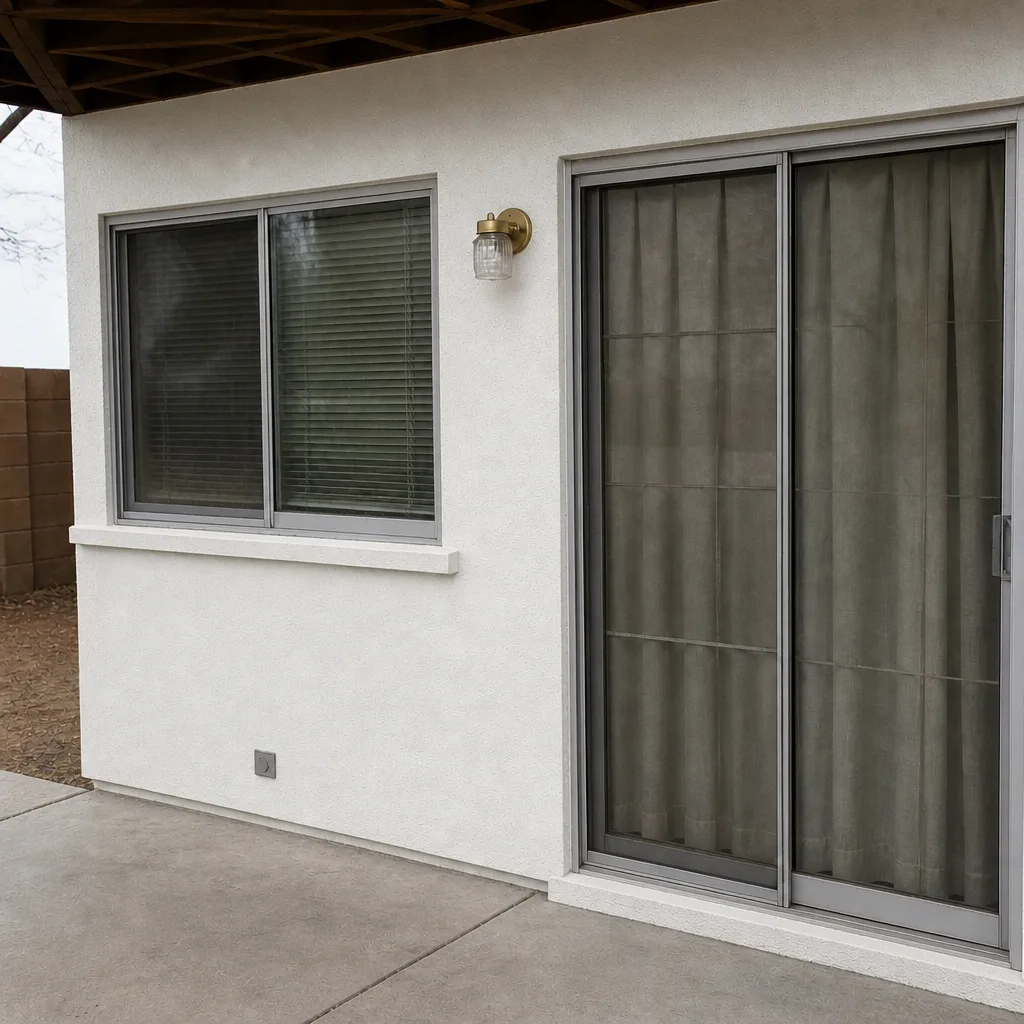
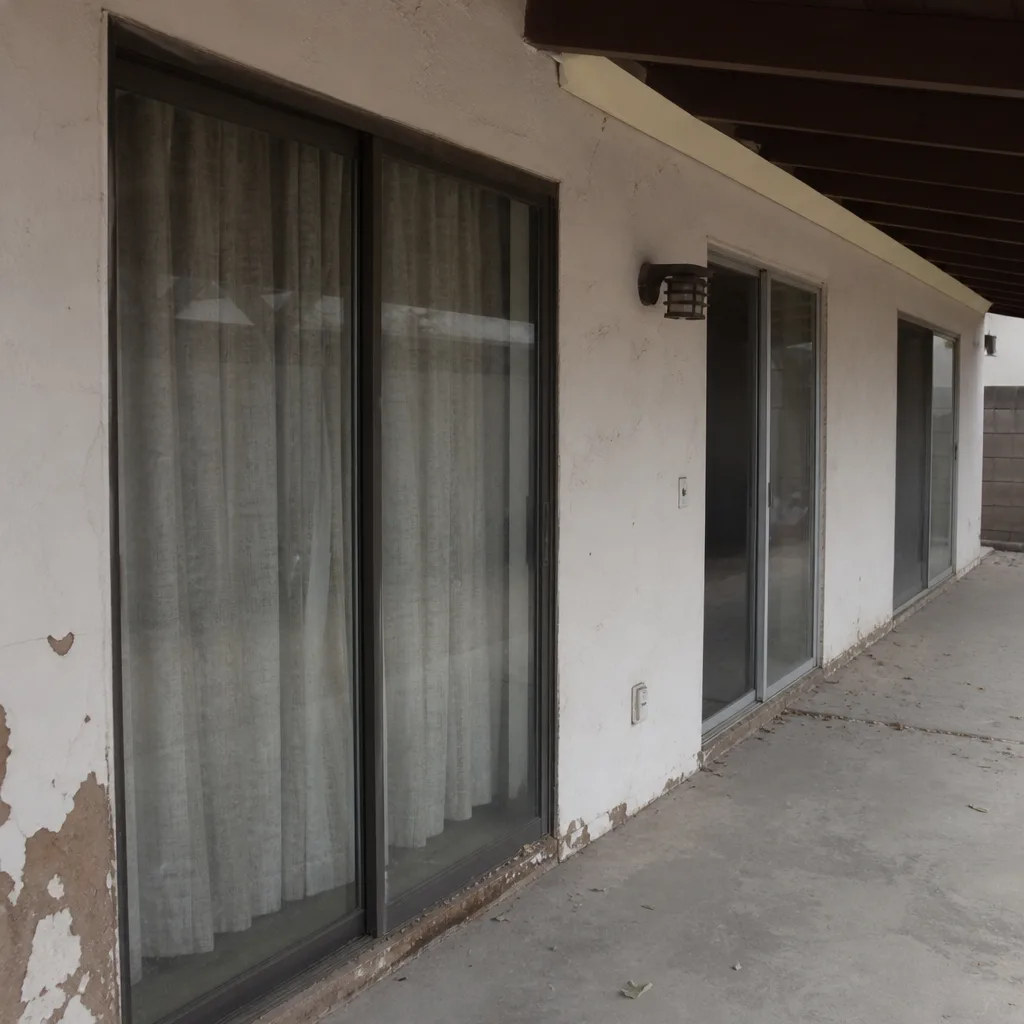
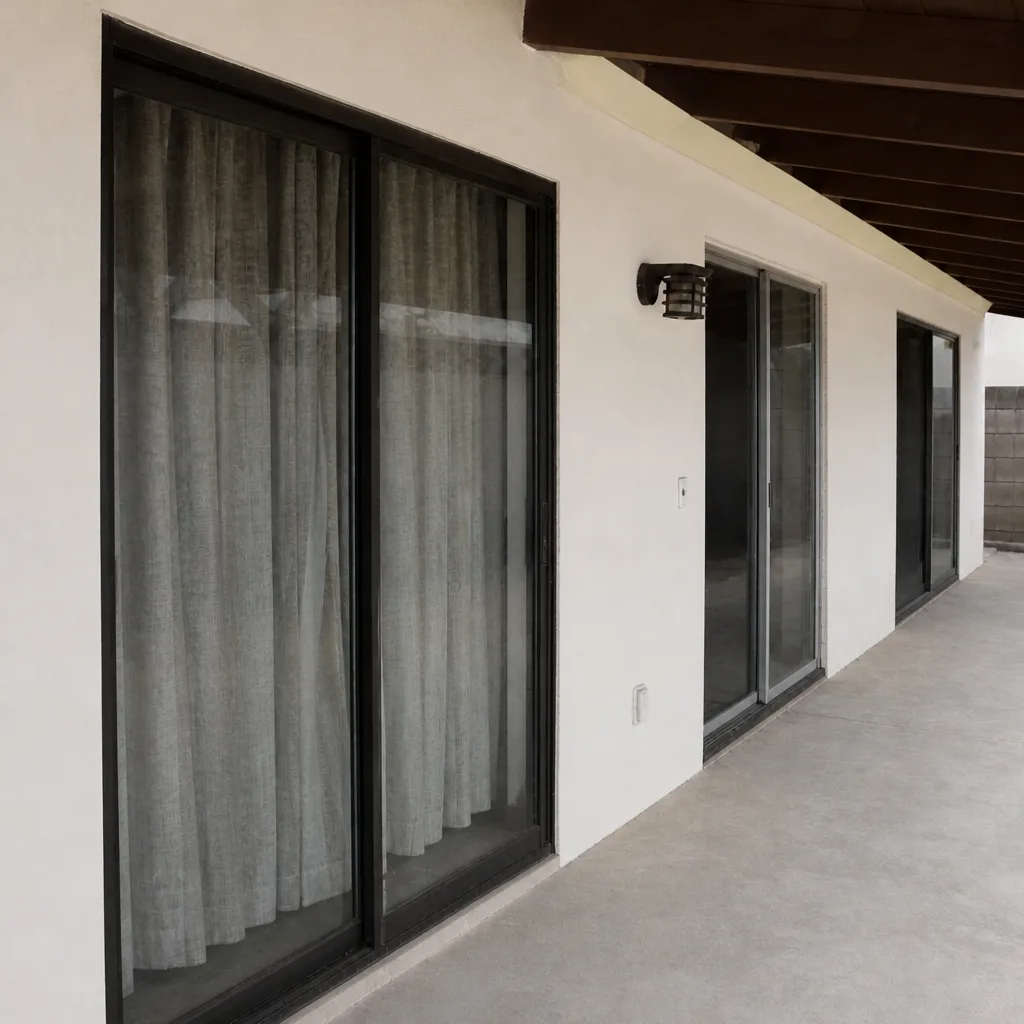
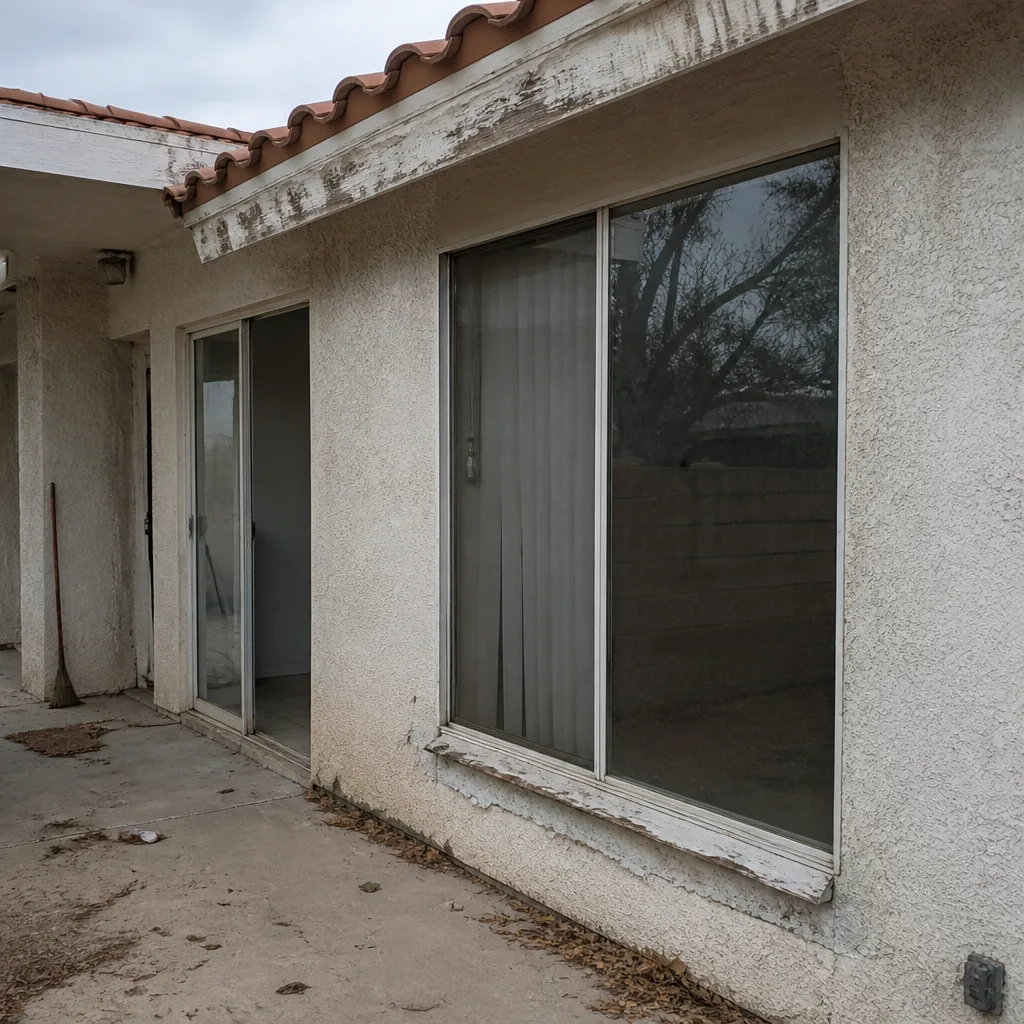
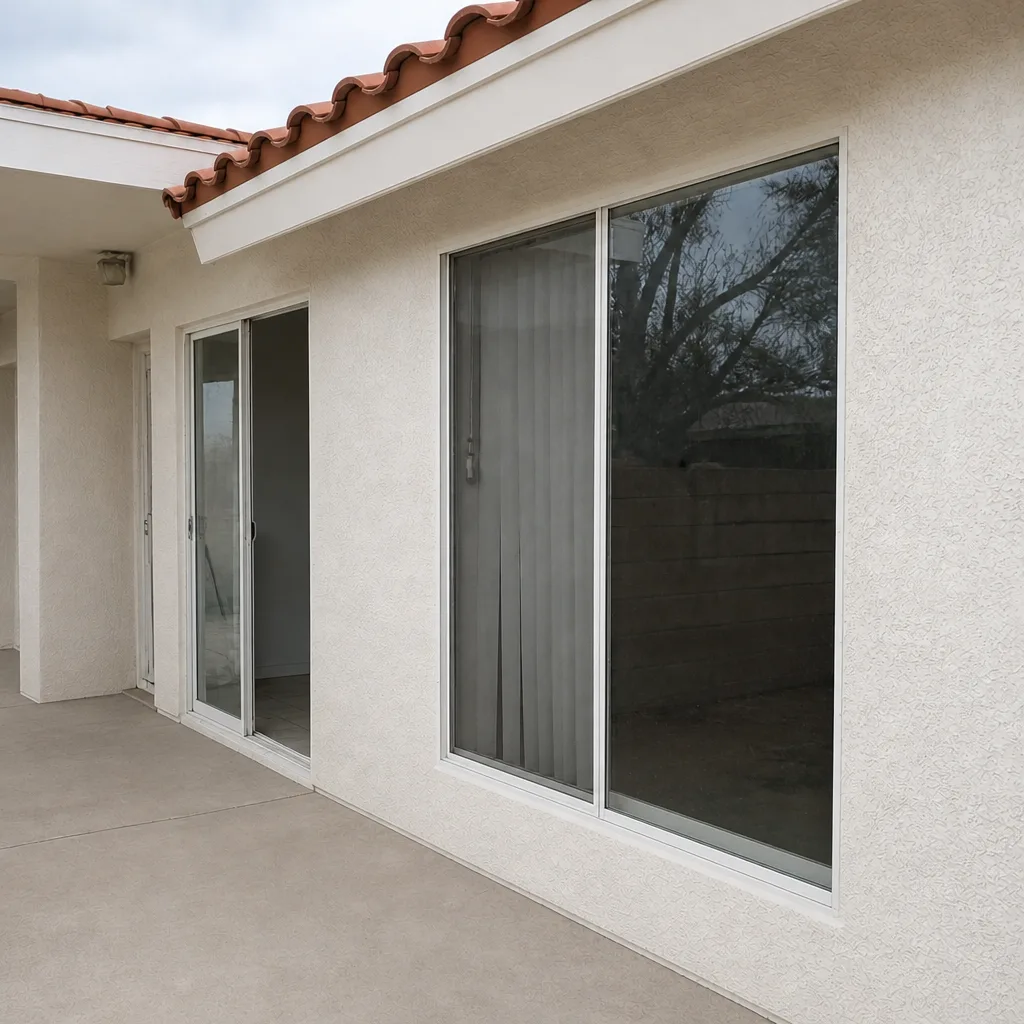
See the difference
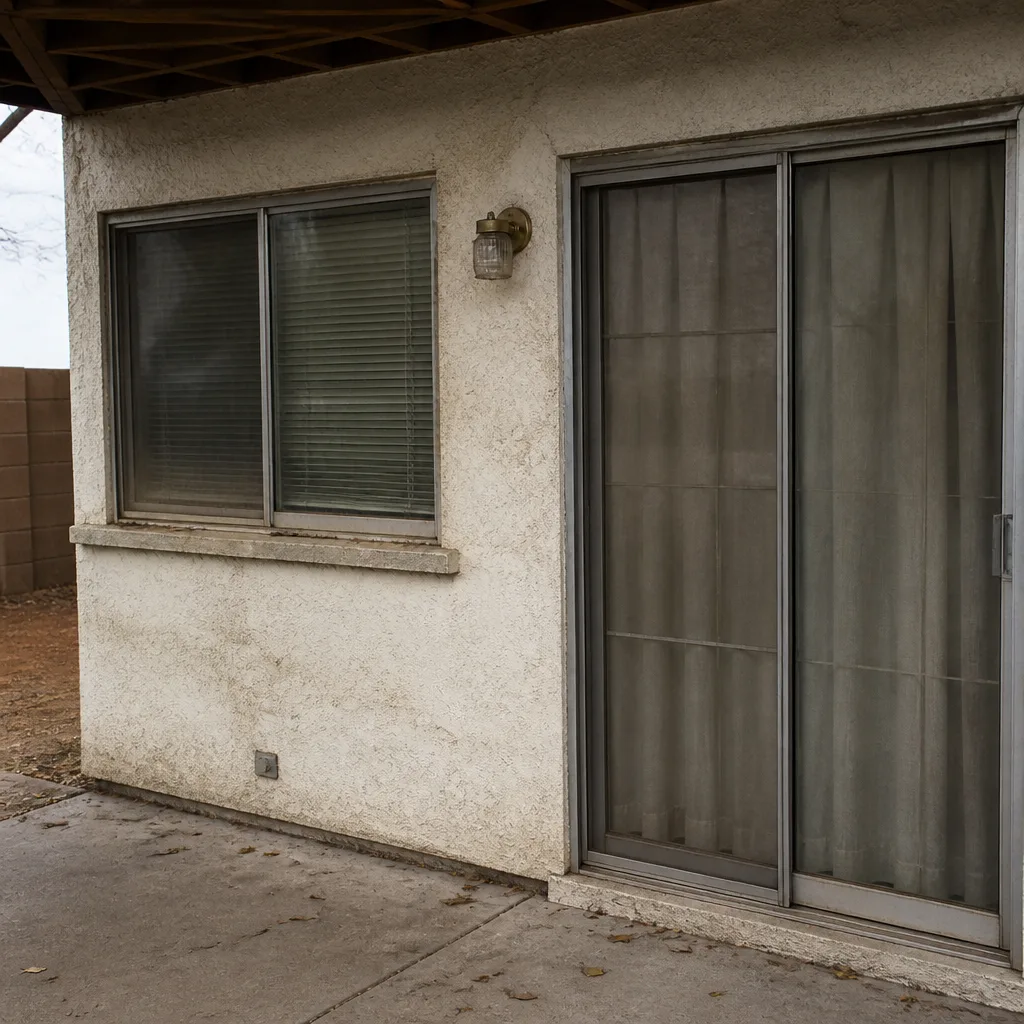 Before
 After
 Before
 After
 Before
 After
When to Call a Professional
Some maintenance is a homeowner job: washing screens, clearing weep holes, wiping mineral deposits. Some isn’t. Call a professional when you’re seeing fogging between panes on more than one window, when a frame is visibly warped or corroded, when drafts persist after you’ve replaced weatherstripping, or when the seals have failed on units that are already nearing the end of their service life. These are the situations where the real answer might be replacement, and someone with experience across impact-rated and energy-efficient lines can explain the differences clearly. North Las Vegas Windows & Doors offers free estimates in North Las Vegas and the surrounding area. Call (844) 560-4723. We answer 24/7. Fast dispatch from 7am to 7pm, Sunday through Friday.
Frequently Asked Questions
Clean your glass at least every two to three months, and wipe down any glass that gets hit by sprinkler water immediately. The Las Vegas Valley’s hard water and high dust load make frequent light cleanings far better than one deep annual cleaning. Sprinkler contact should never be allowed to dry on the glass.
Fogging between the panes means the sealed unit has lost its insulating gas and moist air has gotten inside. The argon or krypton gas is gone, and the window’s energy performance is significantly reduced. Once the seal is broken, it won’t repair itself, and it only worsens with the thermal cycling North Las Vegas windows go through every summer.
Condensation on the room-side glass in winter is usually an interior humidity or air-seal issue, not a broken window. Desert homes can have significant humidity from showers, cooking, and houseplants, and if that moisture condenses on cold glass, it can leave mineral deposits that are difficult to clean. Run exhaust fans and check for gaps at the frame.
Inspect weatherstripping every six months, and replace any strip that fails the dollar test. Foam weatherstripping degrades fastest in North Las Vegas’s extreme heat and typically needs replacement every couple of years, while silicone can last several seasons. Brush seals need frequent cleaning but survive longer than foam.
Light mineral deposits can usually be removed with a diluted white-vinegar solution and a soft cloth. Heavy or long-standing deposits may have already etched the glass, in which case cleaning won’t restore clarity. Only use mild cleaners on any window with a low-E coating, and avoid ammonia or abrasives entirely.
Replace when multiple seals have failed, frames are warped or corroded, or drafts persist after weatherstripping is replaced. A single fogged window can often be repaired. Repeated failures across the house usually mean the units are done. Call (844) 560-4723 for a free estimate in North Las Vegas.
The Bottom Line
Windows in North Las Vegas age on a different clock than windows almost anywhere else. The sun never lets up, the water is loaded with minerals, and the daily temperature swings work on seals and frames year-round. A maintenance routine that looks right on a generic checklist will miss the failures that actually happen here. Focus on four things: removing hard-water deposits promptly, catching seal failure early, keeping weatherstripping ahead of the heat, and clearing screens and weep holes of dust and caliche. Do that on a schedule that matches the desert, and your windows will earn their replacement. Let it slide, and small repairs turn into a full replacement, often sooner than you’d expect.
Written by the team at North Las Vegas Windows & Doors.