Last updated November 17, 2026
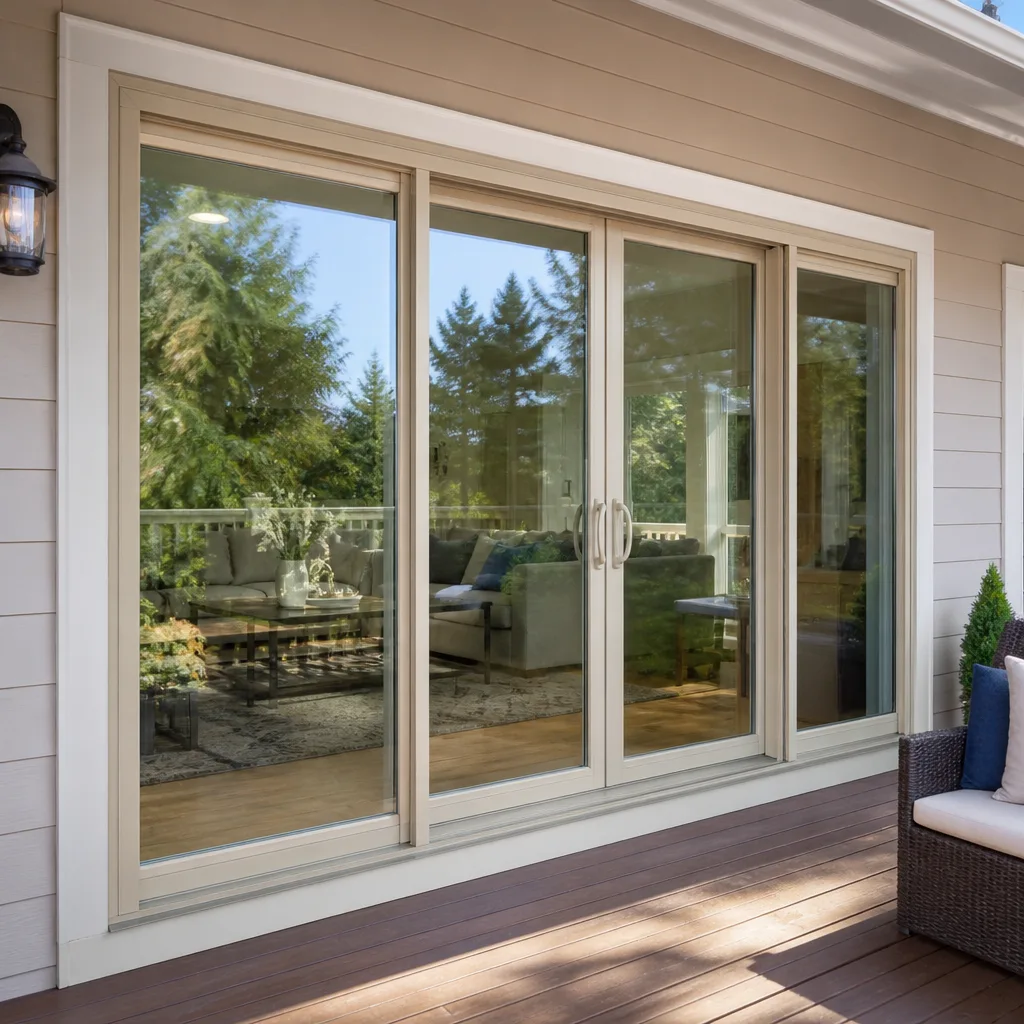 Sliding glass doors
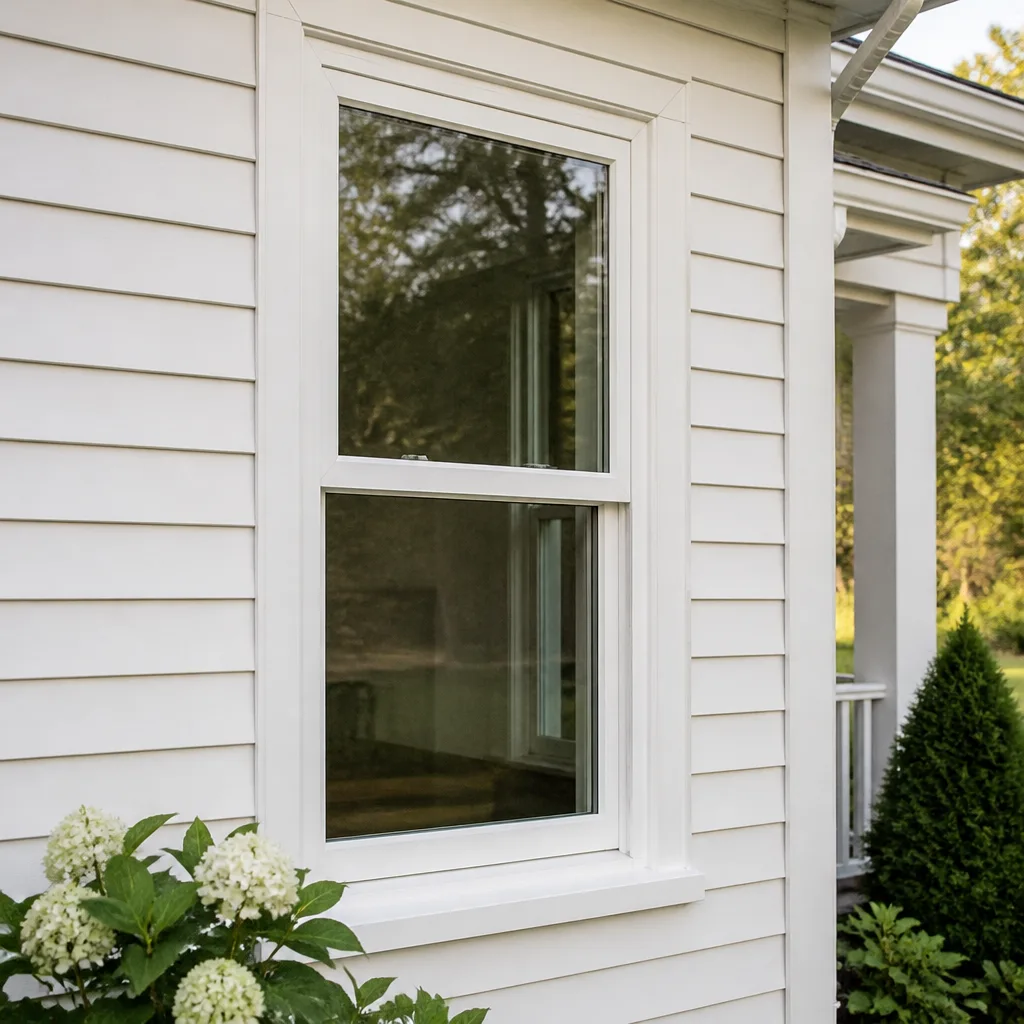 Single hung
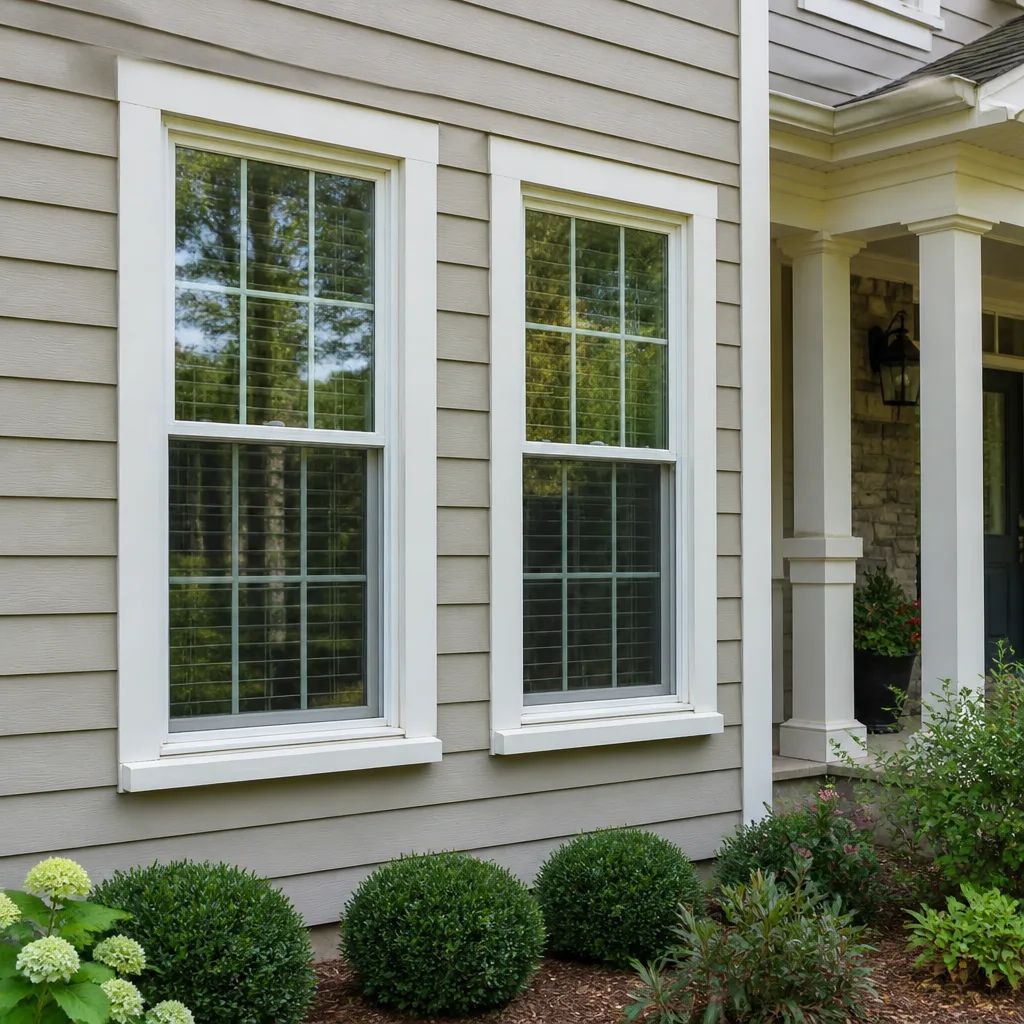 Double hung
 Horizontal roller
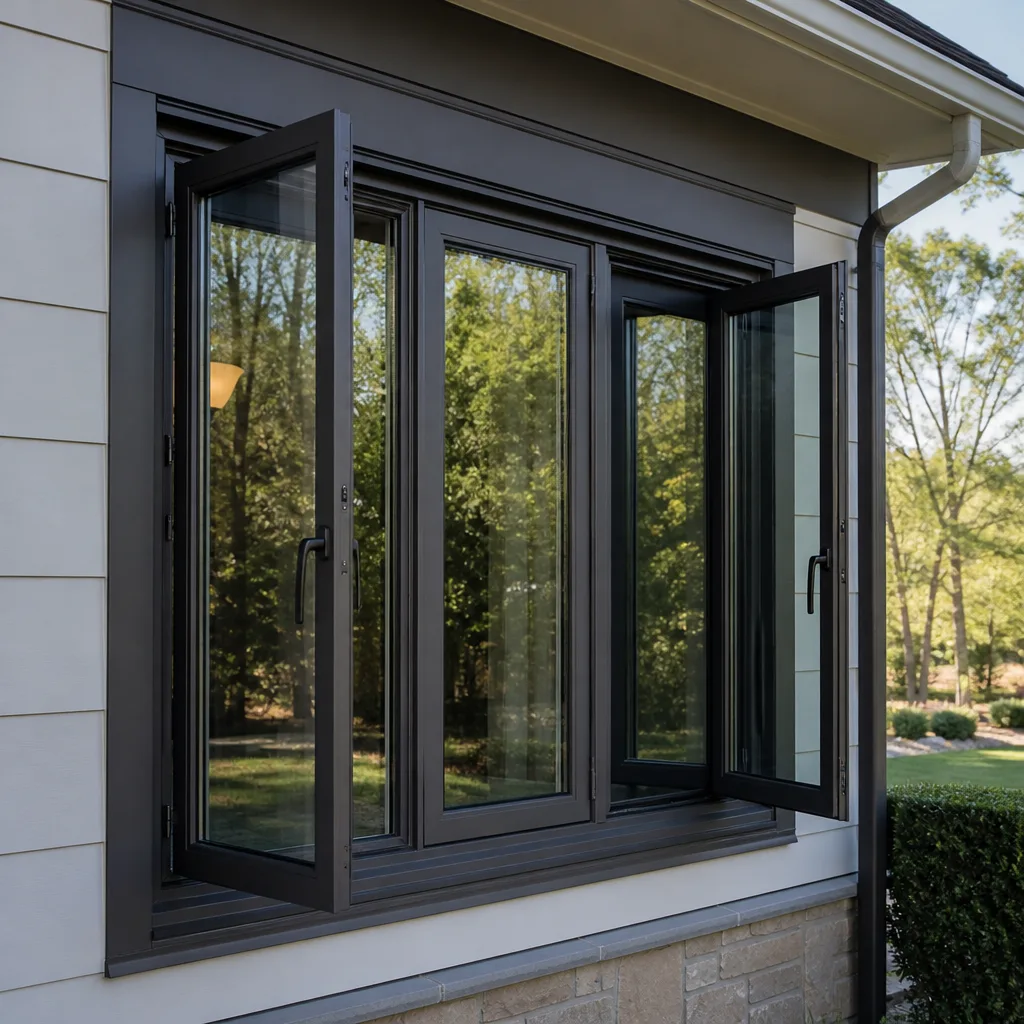 Casement
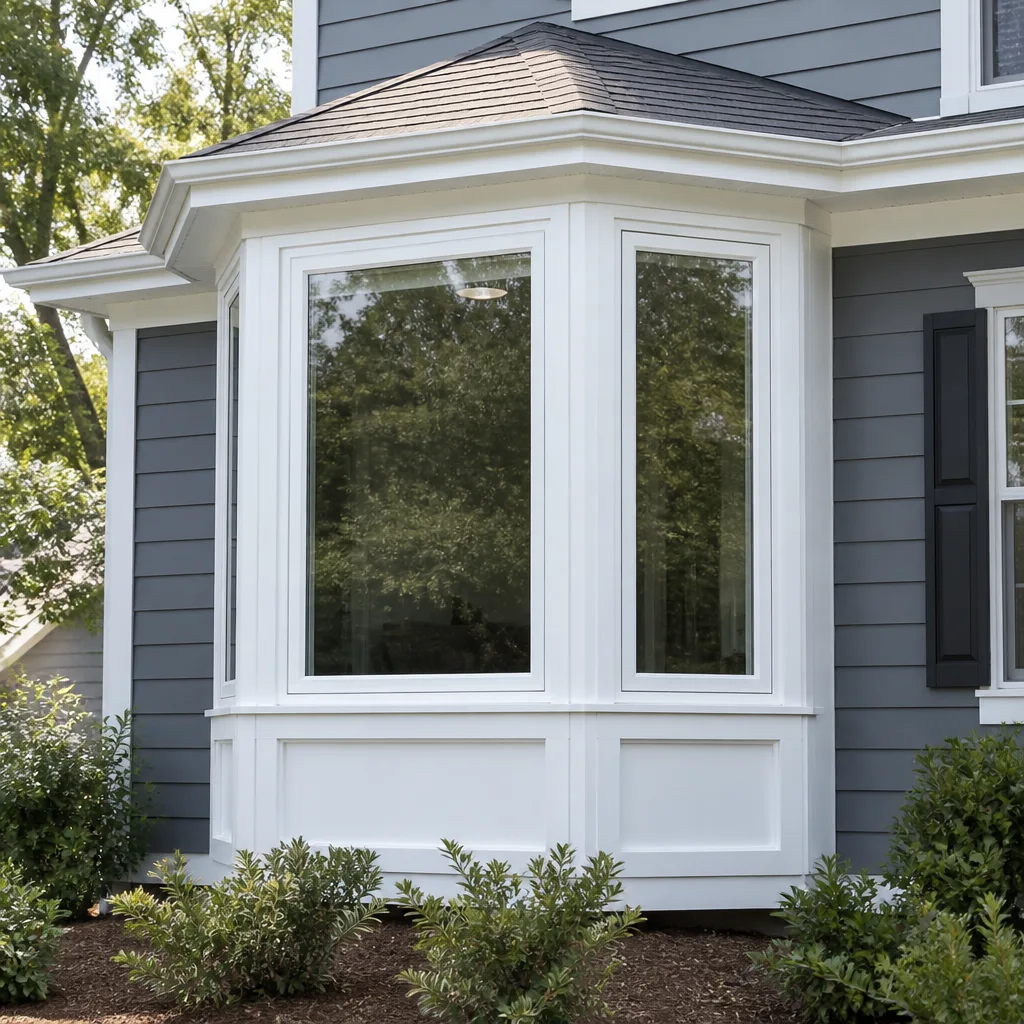 Bay & bow
 Entry doors
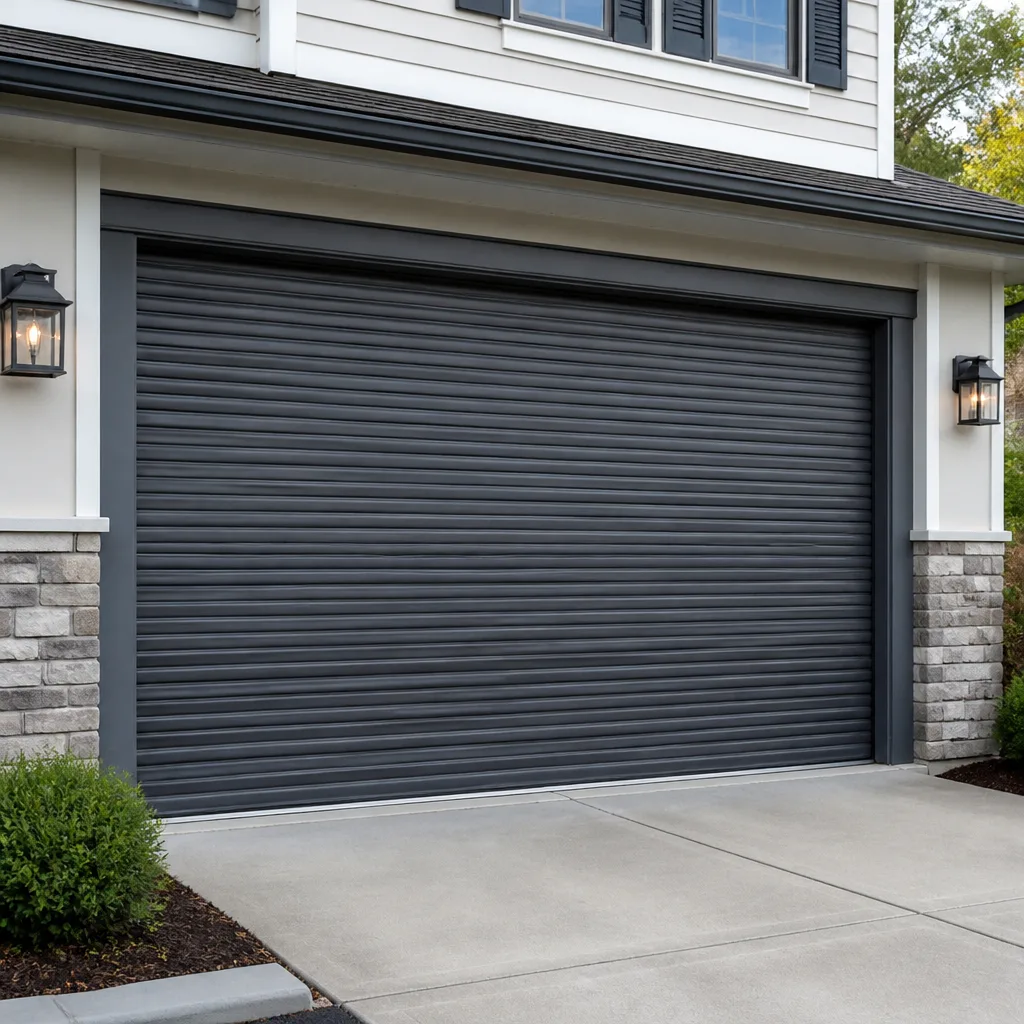
 Impact garage doors
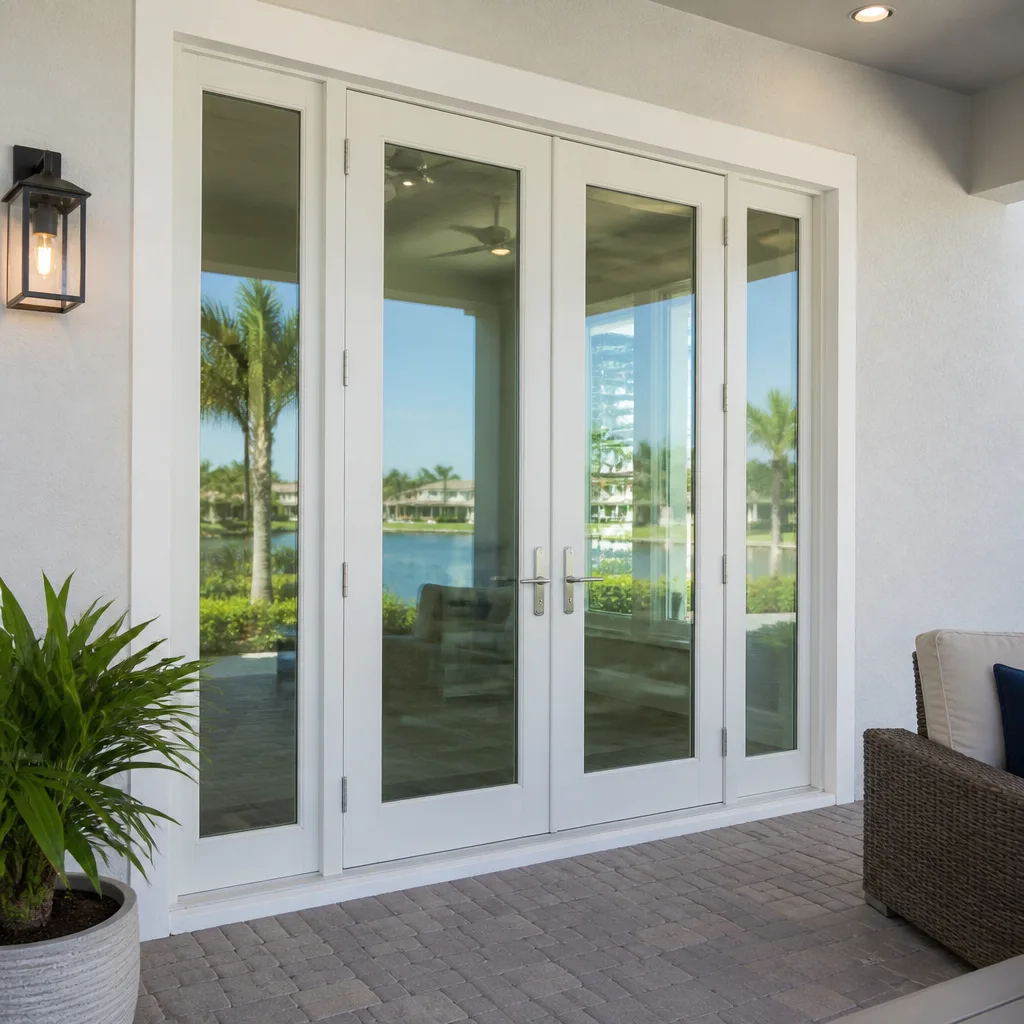 PGT
 CGI
Free in-home measure and quote - PGT, CGI and CWS impact lines compared on your actual openings, style by style
Get your free estimateSeasonal Windows & Doors Care for North Las Vegas: Year-Round Homeowner’s Guide
Most maintenance calendars assume four gentle seasons. North Las Vegas doesn’t work that way. Here, the year splits into two punishing stretches of heat and two short, critical windows in between – and the in-between months are when everything that matters actually gets decided. The worst time to discover your door threshold has failed is mid-July, when the gap is already letting 110°F air pour into your living room and there’s no comfortable morning left to fix it. The best time to catch it is March, before the heat arrives and before monsoon moisture tests every seal on the house. This guide walks through what to inspect, when to inspect it, and how the material your frames are made of changes the whole schedule. If you live in North Las Vegas, the calendar below is built for your climate specifically.
Quick Answer
Seasonal window and door care in North Las Vegas follows a two-peak structure, not a four-season one. Do your main inspection and sealing work in March and April before sustained 100°F+ heat, check weep holes and door thresholds in June and July before monsoon rains, and assess frames, sashes, and glazing in October for thermal-cycling damage the summer left behind. Winter is the quiet season, but cold snaps after 90°F days stress dual-pane units in ways sustained cold never does, so a quick seal check in December and January is worth the twenty minutes.
Styles & brands we work with
- Single hung
- Double hung
- Horizontal roller
- Casement
- Bay & bow
- Sliding glass doors
- Entry doors
- Impact garage doors
- PGT
- CGI
Table of Contents
- Why North Las Vegas Breaks the Standard Seasonal Calendar
- Spring Prep (March – April): The Most Important Window of the Year
- Monsoon Readiness (June – July): Where UV Damage Meets Rain
- Post-Summer Assessment (October): Finding Thermal Cycling Damage
- Winter in North Las Vegas: Cold Snaps After Hot Days
- Product-Specific Schedules: Vinyl vs. Fiberglass vs. Aluminum
- Doors Deserve Their Own Calendar
- Repair or Replace? Reading the Seasonal Clues
Why North Las Vegas Breaks the Standard Seasonal Calendar
North Las Vegas sits in the Mojave Desert at roughly 2,200 feet of elevation, and that geography produces a climate that national maintenance guides simply don’t account for. You get sustained summer heat that pushes past 100°F for weeks at a time, and you get a monsoon season in July and August where brief, intense rain arrives after months of zero precipitation. In between, spring and fall are short. They’re also the two periods when exterior work is genuinely comfortable and when your windows and doors are most receptive to inspection and treatment.
The implication is straightforward: the seasonal maintenance you’d spread across a full year in a milder climate has to be compressed into two narrow slots. Spring, roughly March through April, is your preparation phase. Fall, centered on October, is your assessment phase. Everything else is either heat, rain, or the short cold stretch in winter.
There’s a second North Las Vegas-specific factor: the housing stock. Neighborhoods across the city – from the established streets near Craig Ranch Regional Park to the newer subdivisions along the northern and eastern edges – include a wide mix of construction eras and window materials. Original aluminum frames from older builds behave very differently under this climate than the vinyl and fiberglass units installed more recently. Knowing which you have is the first step in knowing how to care for it.
What makes this structure worth understanding isn’t that windows and doors are fragile. It’s that they’re the most weather-exposed components on the house, and in a climate this extreme they take the load in concentrated doses. A missed spring inspection isn’t a small thing here. It’s a full summer of stress on a seal that could have been treated in an afternoon.
Spring Prep (March – April): The Most Important Window of the Year
March and April in North Las Vegas are the only months where you can comfortably work on exterior windows and doors before the heat locks in. That makes them the single most valuable maintenance period of the year – not because spring is inherently special, but because it’s your last clear shot at the components that matter before sustained heat begins.
Here’s a practical sequence for the spring pass. Work through it in order, because later steps depend on earlier findings:
- Inspect every frame for existing cracks or gaps. Look at corners, the sill, and where the frame meets the wall. Small gaps found in March are usually a sealing job. The same gap found in July may have already allowed moisture or pest entry.
- Test the operation of every operable window and door. Open and close each one fully. Anything that sticks, drags, or won’t latch fully is telling you about alignment or hardware wear while there’s still time to correct it.
- Check weatherstripping on all exterior doors. Run a hand along the jamb and along the bottom of the door. Any spot where daylight shows through or where the strip feels flattened is a candidate for replacement.
- Clear weep holes on windows and sliding doors. These small drainage channels at the bottom of window frames are the escape route for any moisture that gets behind the frame. Clogged weep holes are the cause of a large share of moisture problems, and they’re easy to overlook.
- Examine caulking and sealant joints around frames. Caulk on the exterior of a North Las Vegas home takes direct sun and repeated expansion. Any joint that has cracked, pulled away, or turned brittle should be replaced before the summer heat stresses it further.
- Test latch and lock hardware on doors. Heat and sun affect exterior hardware, and a door that latches loosely in April may be a door that doesn’t latch at all by August.
Windows that operate on tracks or rollers benefit from a light cleaning of the tracks in spring as well. Grit that accumulates in a track through wind and dust gets pressed into the rollers over a summer, accelerating wear.
For frames made from vinyl – common in homes across North Las Vegas – spring is also a good time to check for warping. Vinyl expands and contracts with temperature, and a frame that’s been overexposed to sun on one side may have a slight distortion that shows up as difficulty in operation once the heat arrives. Catching it in March gives you options that don’t exist in June.
The spring pass takes a few hours on a typical single-family home. It’s the investment that makes every other season on this calendar easier.
Monsoon Readiness (June – July): Where UV Damage Meets Rain
Monsoon season in the desert is brief and intense, and it exposes a specific category of problem: the damage that months of dry UV exposure already created, suddenly tested by water. A seal that’s been slowly degrading since spring is a nuisance until rain finds it, at which point it becomes a leak. The weeks before monsoon arrives in North Las Vegas are when you want to check the things that sun has been working on.
What to prioritize before the rain:
- Weep holes, again. The spring pass may have cleared them, but months of dust and wind can re-clog them. A blocked weep hole is the most common reason monsoon moisture ends up inside a wall cavity rather than draining out.
- Door bottom seals and thresholds. The bottom seal on an exterior door is one of the first things to fail in this climate, because it takes sun on the exterior side and thermal cycling on the interior side. Check that it makes full contact along the threshold. Any gap lets water in during a monsoon downpour and lets hot air in the rest of the summer.
- Glazing beads – the strips holding the glass in the frame. UV exposure can dry out and shrink the sealant behind a glazing bead. A compromised glazing bead is a leak risk during monsoon rain.
- Sliding door tracks. Exterior sliding doors have horizontal tracks where water pools during heavy rain. Verify the drain slots in the track are clear and that the door slides cleanly without lifting at the frame.
- Window screen frames. Screens themselves are minor, but the frame condition matters because screen frames sit against the window frame and can hold moisture if warped.
This is also the moment when impact-resistant glazing shows its value. Homes across North Las Vegas with impact-rated window lines are built for exactly this kind of weather event – brief but forceful. Impact-rated products like PGT or CGI are designed to handle wind-driven debris during storm events, and in a monsoon climate they’re a genuine consideration for homeowners deciding on replacement. But impact glazing doesn’t eliminate the need for the maintenance above. A properly sealed, well-maintained standard window outperforms a neglected impact window during a rain event every time.
The pre-monsoon pass takes less time than the spring pass. It’s a focused check on the handful of components that specific rain events test.
Post-Summer Assessment (October): Finding Thermal Cycling Damage
October is the season for the damage that has already happened – the visible cost of a summer spent cycling between 110°F days and 70°F nights. Thermal cycling is the term for what happens to a material that expands with heat and contracts with cold, over and over. Every frame on your home has been doing it since June, and October is when the accumulated effect becomes something you can see and measure.
What thermal cycling damage looks like on a North Las Vegas home:
- Micro-cracks in frame surfaces. Look closely at corners, at the exterior face, and along the joints. Small hairline cracks may not leak yet, but they’re the future failure points for water and air.
- Shifted sashes. A window sash that was centered in spring and now sits slightly off indicates a frame that moved during the summer. This often shows up as a sash that drags on one side when operated.
- Glazing bead gaps. Walk around the exterior and look at the strips running alongside each pane of glass. Any gap between the bead and the glass or between the bead and the frame is worth noting.
- Warped or bowed frame sections. More common on vinyl frames with high sun exposure. A straightedge held against a frame face will show a bow that’s hard to see by eye.
- Loosened hardware. Screws and fasteners can loosen from the small movements over a summer. A door handle that wobbles in October wasn’t wobbling in April.
- Discoloration or fading. In itself cosmetic, but a sign that a surface has taken sustained UV exposure, which is often a marker for other UV-related degradation nearby.
The value of the October pass is timing. A micro-crack found in October can usually be treated and sealed before winter, when temperature swings will work on it further. The same crack found in the following March may have already allowed cold air infiltration and interior moisture. In our experience walking North Las Vegas homes, the October inspection catches the majority of summer-induced issues while they’re still addressable.
October is also the best month for any window or door project you’ve been considering. Exterior installation work in the fall avoids the summer heat and gets a project finished before winter. If your October inspection turns up a unit that’s past repair, that timing works in your favor.
Winter in North Las Vegas: Cold Snaps After Hot Days
Winter in North Las Vegas is mild by any standard, but it carries a specific risk that sustained-cold climates don’t produce. What happens here is a pattern of cold snaps that follow unseasonably warm days. A stretch of 90°F afternoons in late fall or early winter, followed by a sharp overnight drop, puts a different kind of stress on a window unit than steady cold does.
The components most affected are dual-pane insulated glass units. A sealed insulated unit has a small gas gap between the panes, and its internal pressure changes with temperature. In sustained cold, the pressure settles into a predictable pattern. In North Las Vegas’s alternating warm-cold pattern, the pressure cycles repeatedly, and that cycling is what stresses the perimeter seal around the unit.
What a compromised dual-pane seal looks like:
- Fogging or condensation between the panes. This is the classic sign. Moisture that appears between the glass layers, not on the interior or exterior surface, indicates the seal has failed.
- A “hazy” appearance that doesn’t clear. Not all seal failures produce visible droplets; some produce a persistent fog that remains regardless of weather.
- Visible condensation on the inside of the interior pane during cold snaps. This often points to an interior humidity issue rather than a glass failure, but combined with other signs, it’s worth evaluating.
Winter is also when interior comfort becomes the practical test. A window that fogs on the inside in winter or lets a draught run along the sill in January is telling you about a seal problem in a way that summer heat can obscure. If you’re feeling cold spots near a specific window during a cold snap, that’s a clue worth following.
Winter is a good time for interior checks that don’t depend on outdoor weather: confirming every lock operates, checking that weatherstripping on interior doors is intact, and noting any window where you see condensation that other windows don’t show. The findings go into the spring inspection list, where they’ll be addressed with the warmer weather.
Winter is not a time for major exterior sealing work. It’s a time to observe and note.
Product-Specific Schedules: Vinyl vs. Fiberglass vs. Aluminum
Not every window in a North Las Vegas home needs the same maintenance at the same time. The frame material determines the calendar, because each material responds differently to heat, cold, and UV. Here’s how the three common materials differ.
Vinyl frames
Vinyl is the most common frame material in newer North Las Vegas homes, and it’s also the one most sensitive to heat. Vinyl expands and contracts more than either fiberglass or aluminum. That means spring and fall are its critical maintenance windows – checking for warping and shifting after the summer and before it. Vinyl is generally low-maintenance, but it needs a spring check of its welds and joints, which can crack after repeated thermal cycling. October is the ideal time to inspect for any upward bowing or corner separation.
Vinyl does not respond well to intense direct heat over time. Frames that take summer sun on one face and shade on another can develop a slight offset. In our experience, homes with west or south facing windows have more vinyl frame issues than those oriented differently. If you’re considering replacement, look at higher-grade vinyl or consider a different material for those high-exposure faces.
Fiberglass frames
Fiberglass is more dimensionally stable than vinyl. It expands and contracts less, which means the thermal cycling damage that hits vinyl hardest has less impact on fiberglass. The seasonal schedule for fiberglass is shorter – the spring pass is still worthwhile, but it’s mainly about checking the frame-to-wall seal and the hardware rather than the frame itself. October inspections on fiberglass often find less to address.
Fiberglass does have its own considerations. The surface can chalk over time with UV exposure, and while this is mostly cosmetic, it’s worth monitoring. Fiberglass isn’t immune to sealant failures at joints, but the frequency is lower than vinyl.
Aluminum frames
Aluminum is the material most often found in older North Las Vegas homes. Aluminum conducts heat and cold much more readily than either vinyl or fiberglass, which means an aluminum-framed window can feel cooler to the touch in winter and warmer in summer than other frame types. That conductivity also increases the risk of interior condensation during cold snaps. The October inspection is essential for aluminum because the thermal expansion of aluminum is significant, and joints can develop gaps over repeated cycles.
Aluminum frames are also worth examining for corrosion – not from salt air, which is irrelevant in the desert, but from moisture that gets trapped behind the frame. Any white chalky residue at joints or corners should be cleaned and treated. Aluminum frames are durable, but they need a closer eye on joint integrity than vinyl or fiberglass.
For homeowners weighing a material change, a company that carries multiple lines makes the decision apples-to-apples rather than fitting the choice to one manufacturer’s catalog. That’s part of why we stock eight brands across impact, energy-focused, and premium aesthetic categories.
Doors Deserve Their Own Calendar
Windows and doors share a seasonal structure, but the specific tasks differ enough that doors need their own checklist. Entry doors are the single most-used opening in the house, and the components that fail on doors – thresholds, bottom seals, hinges, and hardware – wear differently than window components do.
Here’s the door-specific annual schedule:
- March: Check the threshold for cracks and settling. The threshold is where the door frame meets the floor and where water intrusion most commonly starts. Look at the caulk joints on the interior and exterior sides of the threshold.
- April: Test all hardware – handles, deadbolts, hinges, weatherstripping, and door closers if you have them. Lubricate hinges and strike plates. Confirm the door closes and latches fully without force.
- June: Verify the door bottom seal is intact and that it contacts the threshold along its full width. This is the pre-monsoon check that catches the moisture leaks before the rain.
- July: Recheck hinge tightness. Summer heat and humidity changes can loosen hinge screws and shift a heavy door.
- October: Full exterior inspection of the door face – look for finish failures, material cracks on the door slab, and glazing bead issues on any glass panels. Check the threshold for any movement or gap that appeared over the summer.
- November: Refresh finish on exposed door surfaces. Fall is the ideal time for exterior refinish work because temperatures allow proper curing before cold snaps arrive.
Door slabs made from different materials have different maintenance needs. A fiberglass door from a recognized brand like Therma-Tru holds up well to North Las Vegas sun, but even premium doors need their sealant and finish checked seasonally. Steel doors can be more prone to exterior finish degradation in intense UV, and wood doors need more frequent refinishing than either. Knowing what your door is made of is the first step in knowing its maintenance calendar.
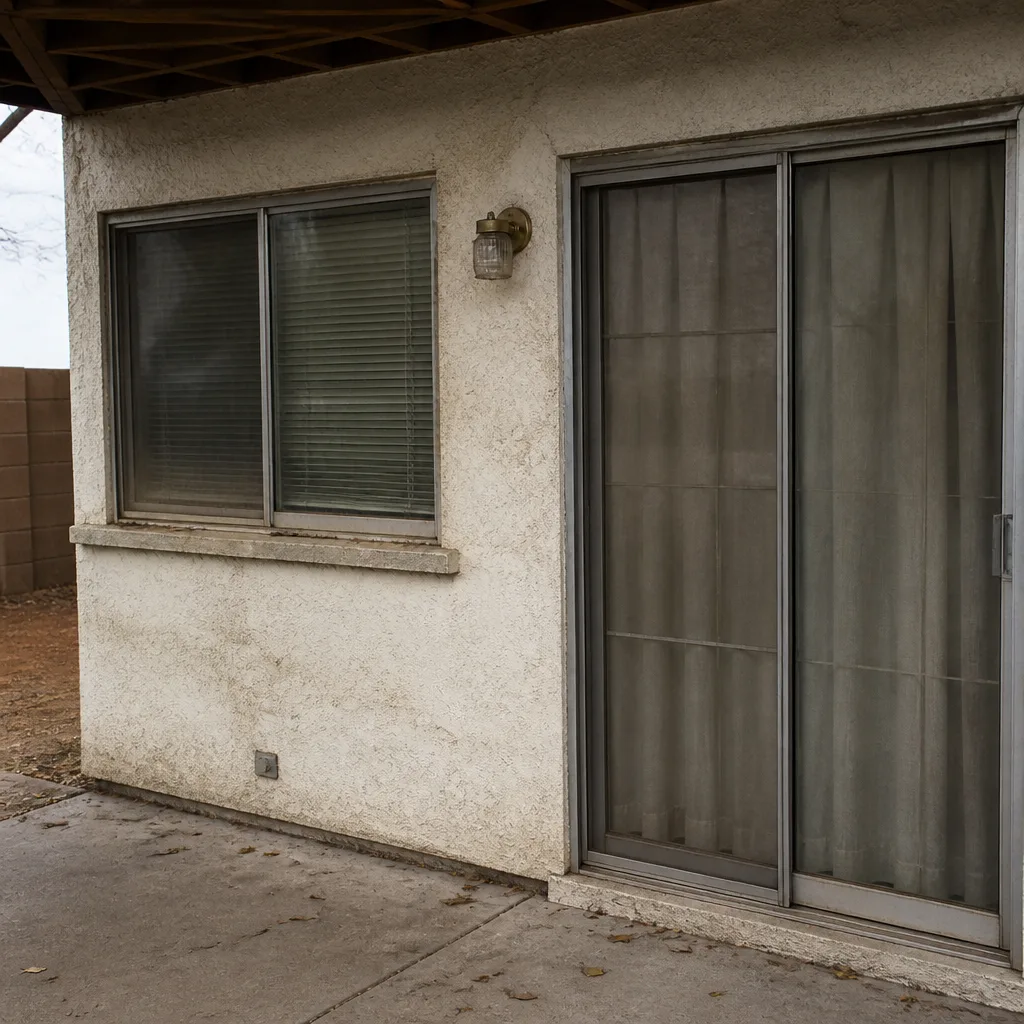
Sliding glass doors deserve their own note because they combine everything above into one unit – large glass panels, a track system, and a threshold all in one opening. In North Las Vegas, sliding doors on the west or south side of the home see the most thermal stress. Their track drainage is a critical monsoon-readiness item and their threshold seal is a year-round one.
Repair or Replace? Reading the Seasonal Clues
Not every seasonal finding means replacement. The vast majority are maintenance items – caulk, seals, hardware, and clearing weep holes. But some of what the seasonal inspection reveals is a signal that the unit itself is past what maintenance can fix. Knowing the difference saves you money in both directions: you don’t replace a window that just needs weatherstripping, and you don’t keep repairing a unit that’s already failing.
Signs that seasonal inspection findings point to replacement rather than repair:
- Fogging between panes that recurs. A dual-pane unit that fogs after successive cold snaps has likely lost its perimeter seal and will continue to fog. Replacing the insulated glass unit or the whole window may be the more sensible move than patching the visible symptom.
- Frame warping or micro-cracks that recur every October. A frame that cracks in the same location each year is telling you the material has reached the end of its thermal tolerance. Sealing a recurring crack is a short-term fix.
- Multiple failed components on the same unit. A window with a compromised frame, a failing seal, and worn hardware all at once is not a maintenance project; it’s a worn-out window.
- Difficulty operating a sash that can’t be resolved by adjusting hardware. If the sash is binding because the frame has distorted, no adjustment will fix it.
- Door bottom seals that fail repeatedly despite replacement. A threshold that can’t hold a seal is often a sign that the threshold itself is compromised and the door system needs more than a bottom-seal swap.
When the seasonal inspection starts pointing toward replacement, that’s when a conversation with a specialist is worth having. The right window for your home is not the same window for the house next door – it depends on the orientation, the exposure, the material of the current frames, and whether energy performance or impact resilience matters more to you. A single-brand dealer is going to recommend their brand regardless. A specialist with eight brands in the portfolio can match the product to the problem.
Full window replacement is a significant decision, and doing it well is easier when the discussion starts from what the seasonal inspection already revealed. The same applies to a window installation on new construction or an addition – a specialist bringing multiple lines to the decision makes it a genuine comparison.
Common Mistakes to Avoid
- Skipping the October assessment because “nothing seems wrong.” Thermal cycling damage in North Las Vegas is often invisible until it becomes a leak. October is when the damage first shows, and waiting until spring means the winter cold snaps are working on unrepaired cracks.
- Clearing weep holes once and then forgetting them. Weep holes are not a one-time fix. Wind and dust re-clog them within a season. Any home with monsoon exposure needs a pre-rain weep hole check every year.
- Treating vinyl and aluminum the same way. Vinyl frames need more attention to warping after summer; aluminum frames need more attention to joint integrity and conductivity. A one-size-fits-all maintenance schedule will miss the material-specific issues that actually develop.
- Replacing weatherstripping without addressing the underlying problem. If the door bottom seal keeps failing, the threshold may be the actual problem. Replacing the seal repeatedly without checking the threshold wastes time and doesn’t solve the leak.
- Assuming impact-rated windows need less maintenance. Impact windows from lines like PGT or CGI are superior storm-resilient products, but they still need their weep holes cleared and their frames checked. The glazing handles the impact; the maintenance handles the moisture.
- Ignoring interior condensation signals in winter. A single window that fogs inside during a cold snap while others don’t is telling you about that window’s seal or the frame’s conductivity. Noting it in winter makes the spring inspection more productive.
- Working on exterior seals during summer or winter. Sealants need moderate temperatures to cure correctly. A North Las Vegas exterior caulk job done in August or January may fail earlier than one done in spring or fall, when temperatures are in the range the product was designed for.
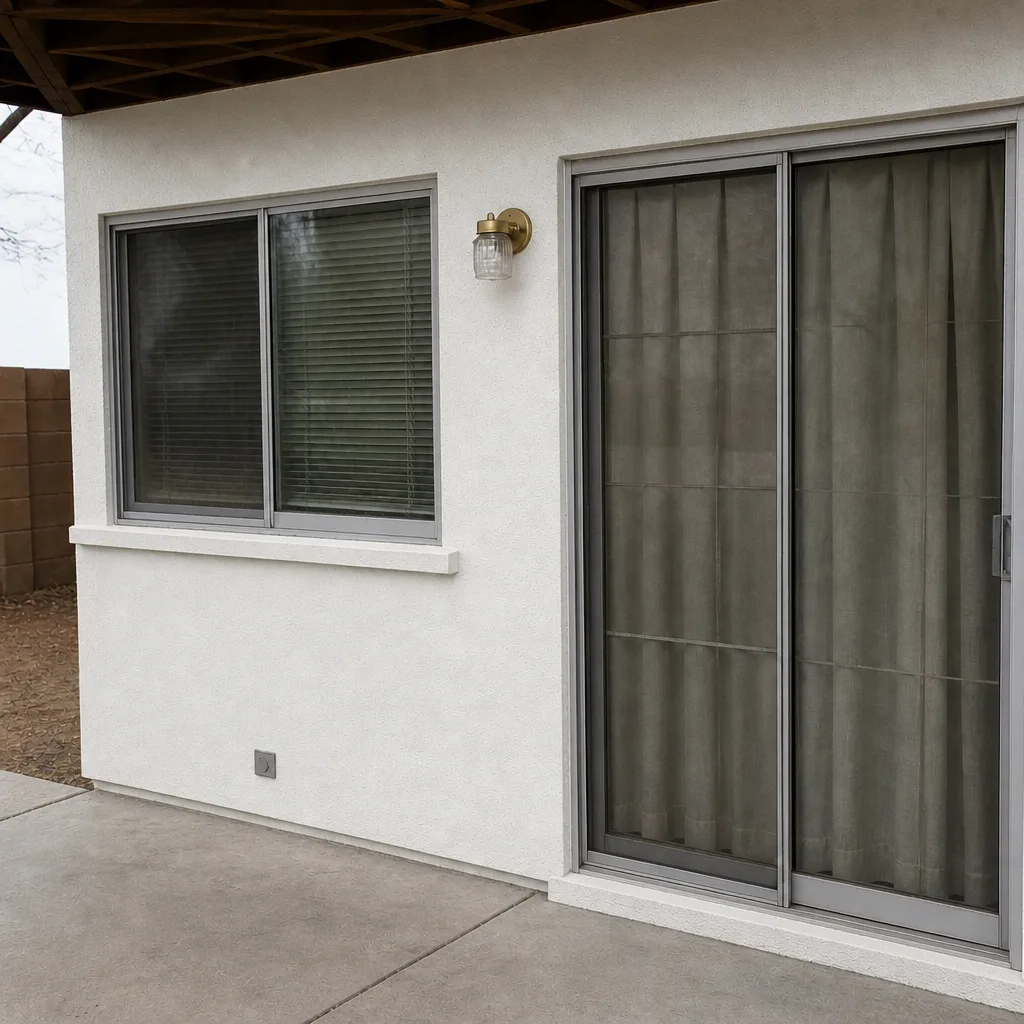
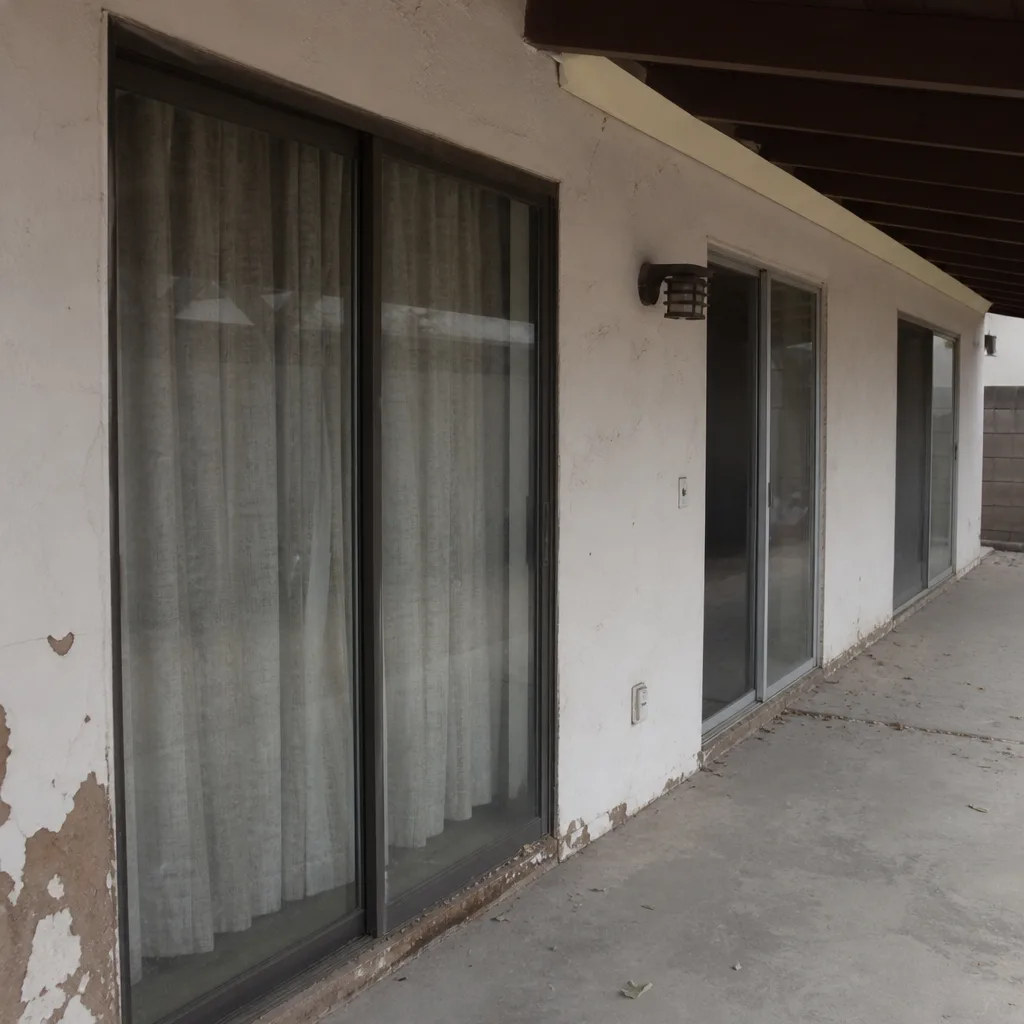
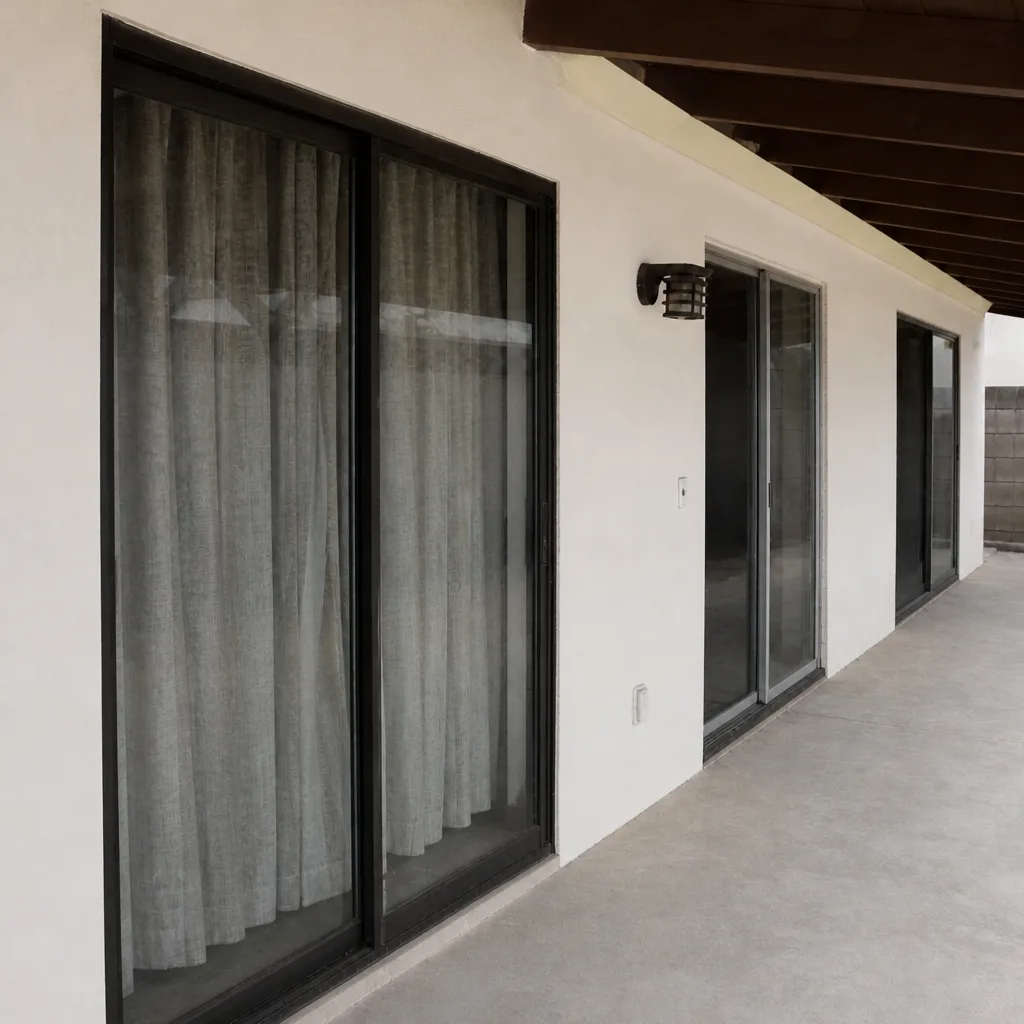
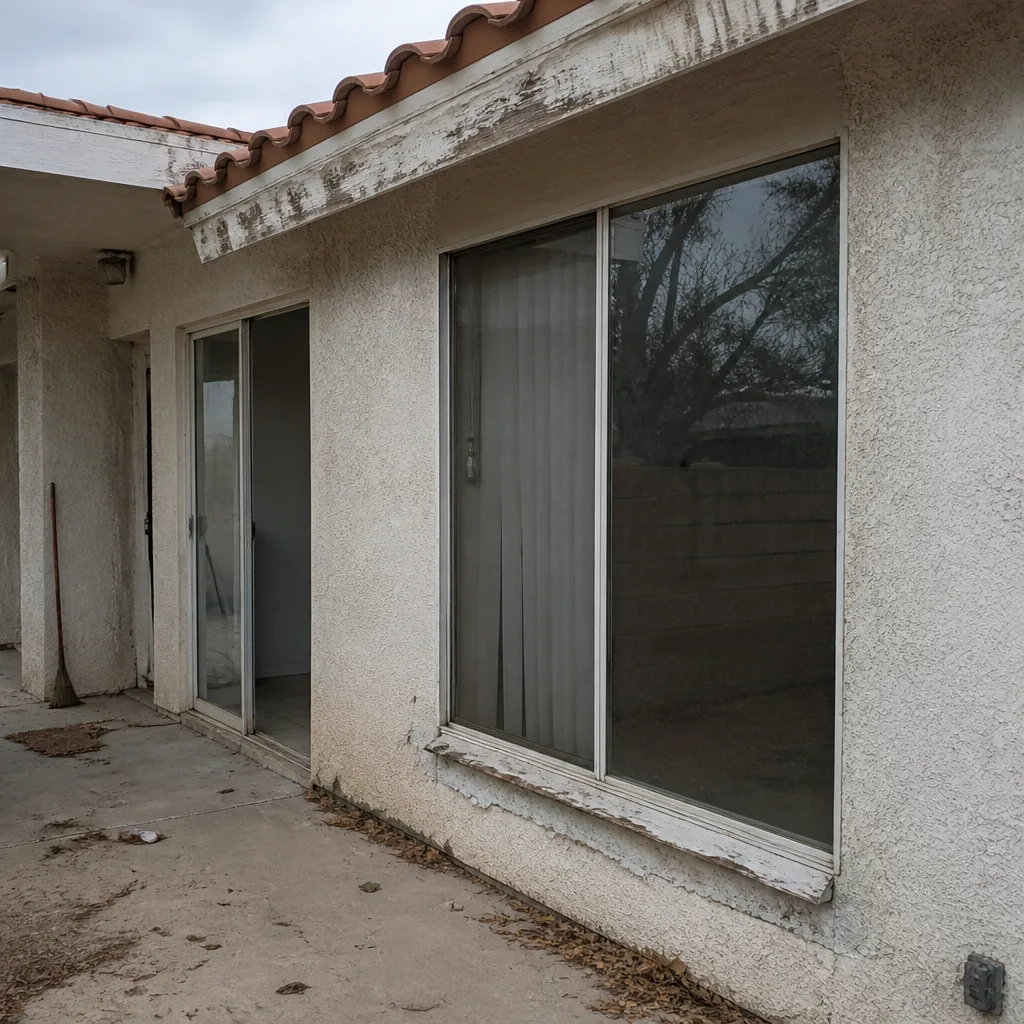
See the difference
 Before
 After
 Before
 After
 Before
 After
When to Call a Professional
Most seasonal maintenance tasks on this calendar are within the reach of a homeowner who’s paying attention. Clearing weep holes, checking weatherstripping, and inspecting for cracks are DIY-level work. But a few things should bring in a specialist. Fogging between panes on a sealed insulated unit, a frame that’s showing warping or repeated cracking in the same place, a threshold that’s settled or failed, or any window or door that no longer operates properly after years of use – those are moments to get a professional assessment rather than patch the symptom.
Seasonal damage in a North Las Vegas home is worth evaluating before the next season’s weather arrives. A spring inspection that turns up a replaced window is easier to plan for in March than fix in July. A window specialist is also the right person to call if you’re weighing repair against replacement and you’re not sure which side of that list your window falls on. North Las Vegas Windows & Doors offers free estimates in North Las Vegas – call (844) 560-4723.
Frequently Asked Questions
March and April are the best months for the main inspection, followed by a focused check in June before monsoon season and a full assessment in October for summer-induced damage. March is the highest-value window because heat hasn’t locked in yet and there’s time to act on findings before summer stresses the frames and seals.
Fogging that appears only during cold snaps usually means the perimeter seal on the insulated glass unit has failed, and the alternating warm-cold pattern of our winter stresses that seal more than steady cold does. If condensation appears between the panes rather than on the inside surface, the seal is compromised and the unit needs evaluation by a window specialist. Call (844) 560-4723 for a free estimate if you’re seeing this pattern.
Yes. Weep holes in North Las Vegas need at least two clearings a year – once in spring and once before monsoon season in June or July. Wind-blown dust re-clogs them between seasons, and a clogged weep hole is the most common cause of moisture behind a window frame during rain.
No. Impact-rated windows from lines like PGT and CGI are built to handle wind-driven debris during storm events, but they still need their weep holes cleared, their frames inspected, and their glazing beads checked seasonally. Impact glazing protects against impact; maintenance protects against moisture intrusion. Both matter in North Las Vegas.
Often, yes. A frame that develops micro-cracks in the same location each October has typically reached the limit of its thermal tolerance. Sealing a recurring crack is a short-term fix; a specialist can assess whether repair or replacement is the better long-term decision for that specific unit. Call (844) 560-4723 to schedule a free estimate and get a written line-item comparison.
Look for cracks in the threshold caulking, gaps where the threshold meets the door bottom seal, or water staining on the interior floor near the door. If your door bottom seal keeps failing after replacement, the threshold itself may be the problem rather than the seal. A threshold that’s settled or failed needs to be evaluated by a door specialist.
The Bottom Line
North Las Vegas doesn’t give you four gentle maintenance seasons. It gives you two critical preparation windows – March through April before the heat, and June through July before the monsoon – plus an October assessment for thermal cycling damage the summer left behind, and a short winter watch for dual-pane seal failures during cold snaps. The material your frames are made of – vinyl, fiberglass, or aluminum – shifts the specifics but doesn’t change the structure. Doors follow the same calendar with their own focus on thresholds, bottom seals, and hardware. A specialist who carries multiple product lines is the right conversation when a seasonal finding points toward replacement rather than repair – because the right window for your home is not the one that happens to be in stock.
For a free estimate on window replacement, window installation, or a door project in North Las Vegas, call (844) 560-4723. We answer 24/7. Fast dispatch from 7am to 7pm, Sunday through Friday. Estimates are free, and every quote is a written line-item estimate so you know exactly what you’re getting before work starts.
Written by the team at North Las Vegas Windows & Doors.