Last updated November 17, 2026
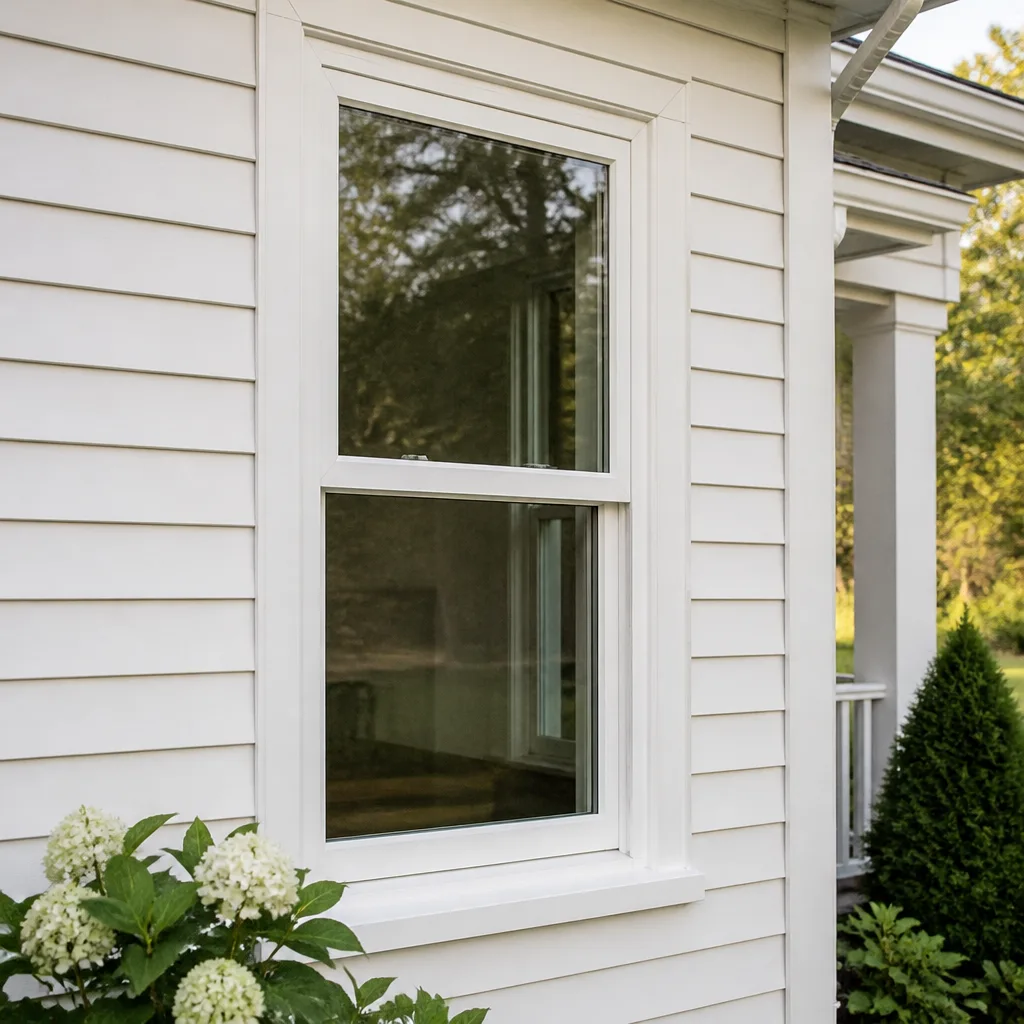 Single hung
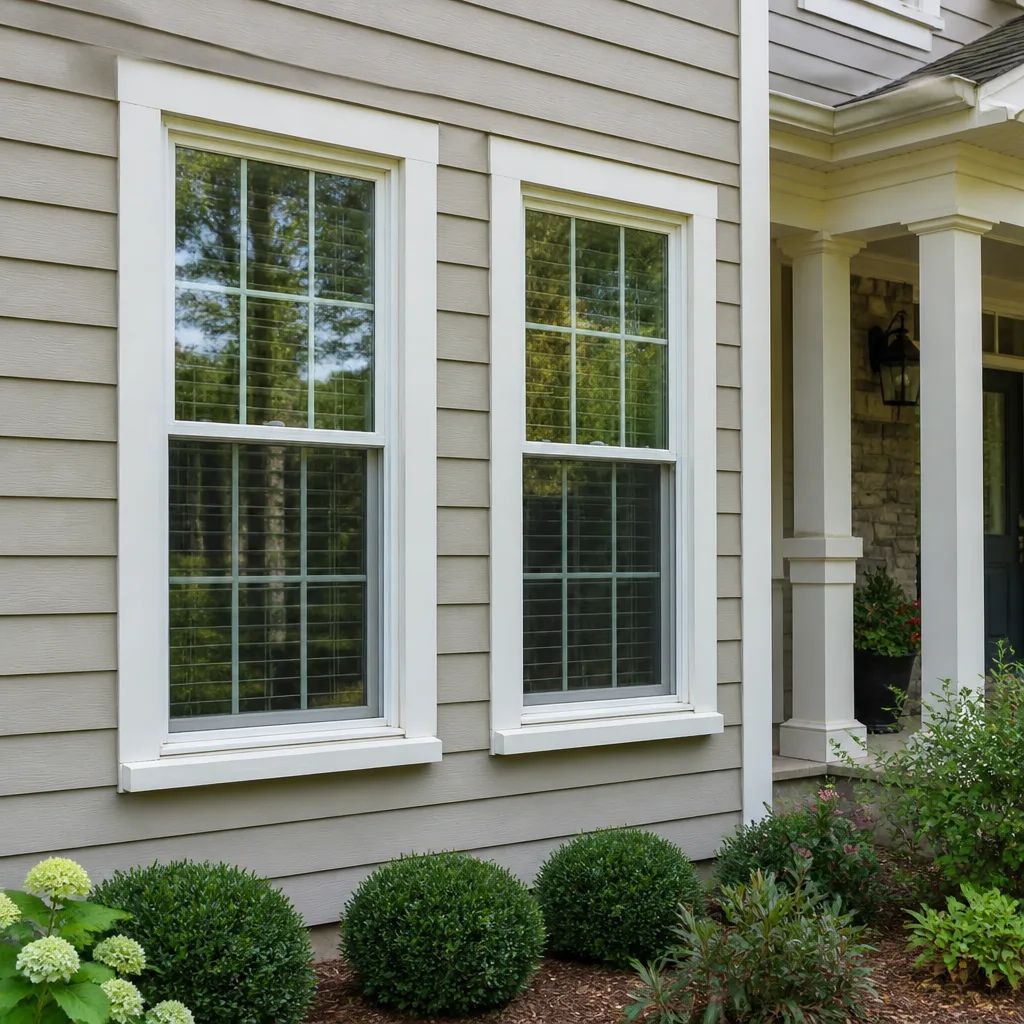 Double hung
 Horizontal roller
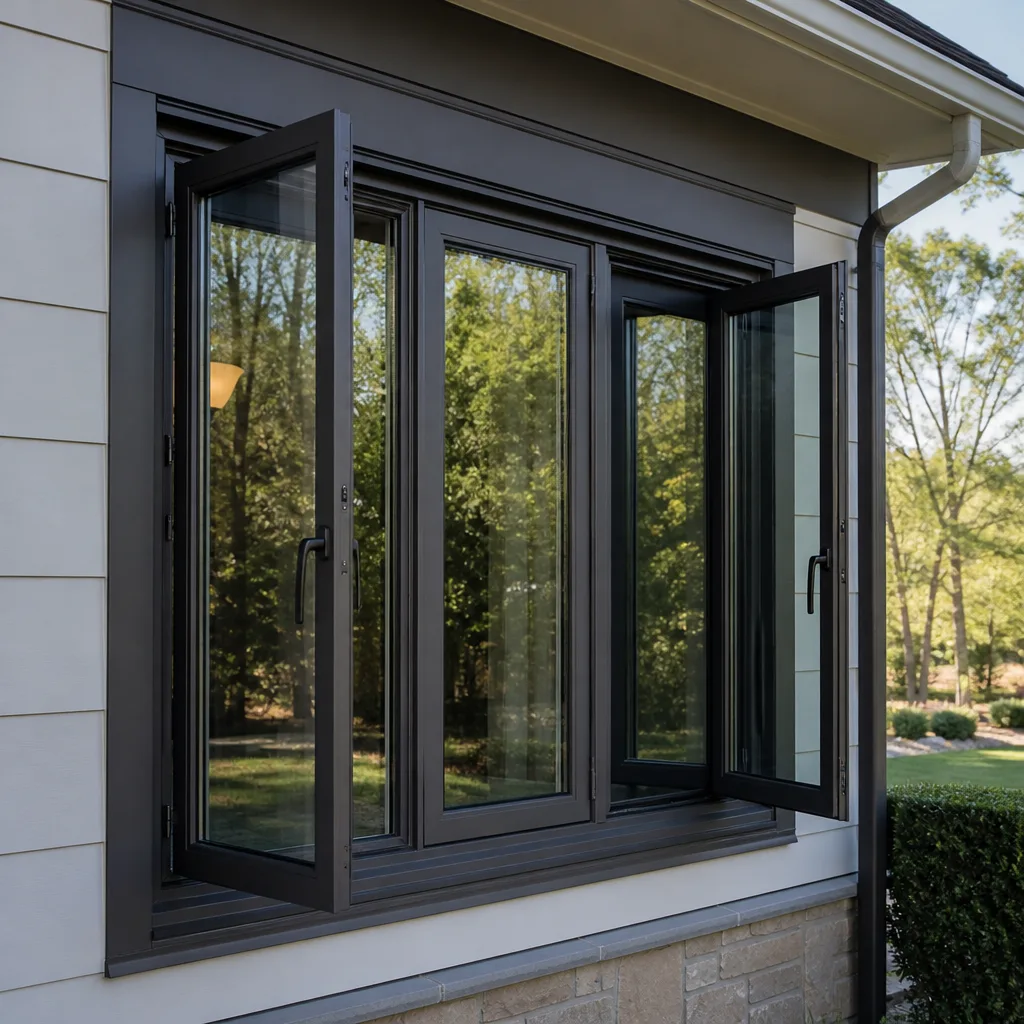 Casement
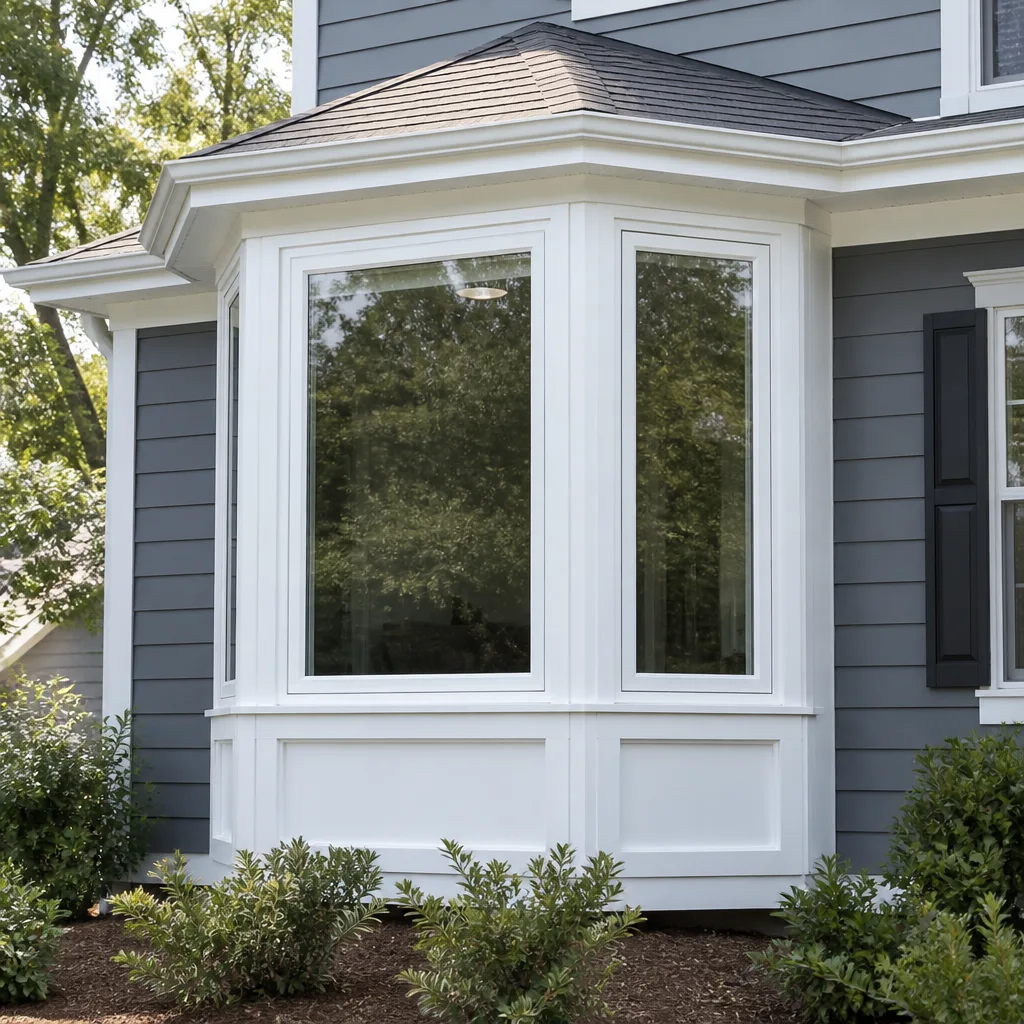 Bay & bow
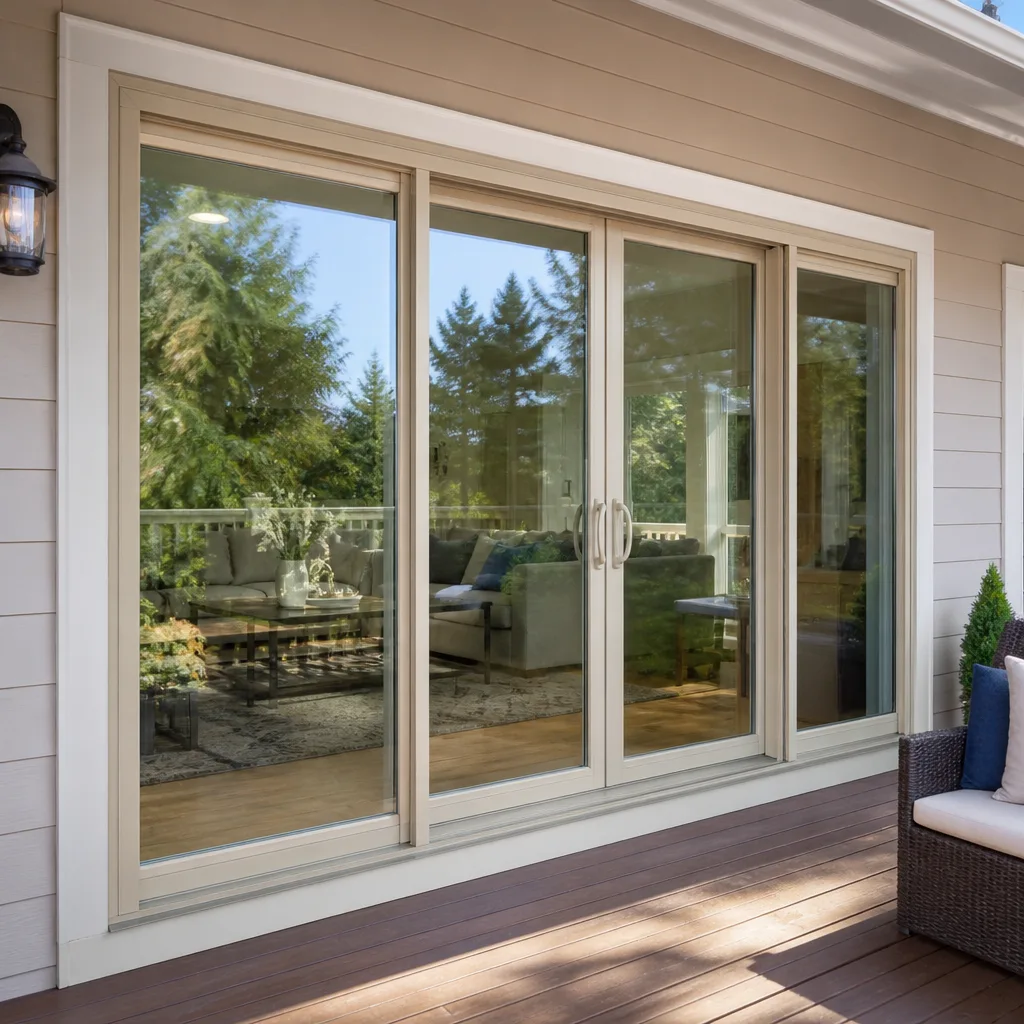 Sliding glass doors
 Entry doors
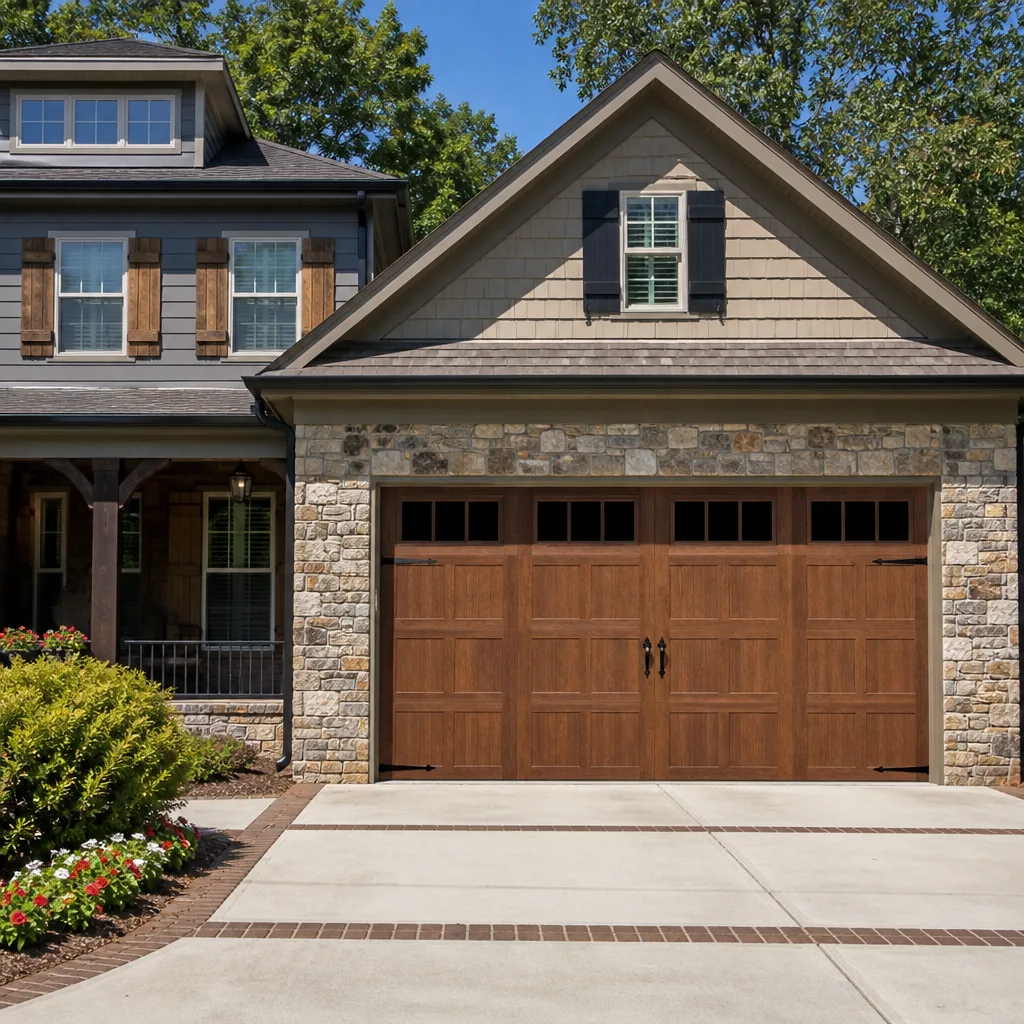 Impact garage doors
 PGT
 CGI
Free in-home measure and quote - PGT, CGI and CWS impact lines compared on your actual openings, style by style
Get your free estimateThe Complete Window Replacement Guide for North Las Vegas Homeowners
Most window replacement advice you’ll read online was written for a four-season climate with mild summers and plenty of rain. North Las Vegas is the opposite: roughly 294 sunny days a year, summer highs that push past 108°F, and weeks of dry, dusty wind. Glass and frame packages optimized for Seattle or Minneapolis can underperform here, sometimes badly. The window that keeps heat in during a Midwest winter is not the window that keeps heat out of a North Las Vegas living room in July. This guide explains how to choose windows for the Mojave climate specifically, how stucco and block construction change the installation, how HOA approval works in North Las Vegas planned communities, and how to verify a contractor before you sign.
Quick Answer
Replacing windows in North Las Vegas comes down to three climate-driven choices: a solar heat gain coefficient low enough to block Mojave summer sun, a frame material that handles intense UV and heat cycling, and an installation method built for stucco and block walls rather than wood-frame siding. Get those three right and the windows do their job for decades. Get them wrong and you’ve paid for glass that fights the desert instead of working with it.
Styles & brands we work with
- Single hung
- Double hung
- Horizontal roller
- Casement
- Bay & bow
- Sliding glass doors
- Entry doors
- Impact garage doors
- PGT
- CGI
Table of Contents
- Why Window Replacement in North Las Vegas Is Different
- How to Read SHGC and Low-E Ratings for the Mojave Climate
- Stucco and Block Construction: What It Means for Installation
- HOA Approval Timelines in North Las Vegas Planned Communities
- The Real Replacement Sequence for a Whole-Home Project
- Nevada Contractor Licensing: What to Verify Before Signing
- Impact-Rated vs. Energy-Focused Windows: Choosing the Right Line
- Common Mistakes to Avoid
- When to Call a Professional
Why Window Replacement in North Las Vegas Is Different
North Las Vegas sits in the Mojave Desert at roughly 2,200 feet elevation, and that geography shapes everything about how a window performs. Summer afternoons regularly climb past 108°F. Winter nights can drop near freezing. The swing between day and night temperatures is large, and the sun load on south- and west-facing glass is intense for most of the year. A window is a heat-transfer device in this climate, and the direction it faces matters as much as the glass itself.
That has three practical consequences for homeowners in North Las Vegas:
- Solar control beats insulation value. In cold climates, the priority is keeping heat inside (high U-factor performance). Here, the priority is keeping solar heat outside, which is a different metric entirely (SHGC).
- UV exposure is relentless. Vinyl and composite frames, seals, and glazing spacers all take a beating from year-round sun. Products built for moderate climates can chalk, warp, or fail early.
- Dust and wind-driven grit are constant. Seals and weep systems need to shed dust without trapping it, and installation has to be tight enough to keep fine desert particulate out of the interior.
None of this means North Las Vegas windows are exotic. It means the specification process should start with local climate data rather than a manufacturer’s national brochure. When we walk a home in North Las Vegas, the first questions are about orientation, existing glass, and how each room is actually used, not about which product line is on sale. The right window for your home is not just the one we have in stock; it’s the one that matches your sun exposure, your HOA rules, and your cooling priorities.
How to Read SHGC and Low-E Ratings for the Mojave Climate
Solar Heat Gain Coefficient (SHGC) measures how much of the sun’s heat passes through a window. The lower the number, the less solar heat gets in. In the Mojave climate, SHGC is the single most important rating on the label, more important than the U-factor that Midwest-focused guides emphasize.
Here’s the counterintuitive part: a low-e coating designed for cold climates is optimized to let solar heat in during winter and reflect interior heat back inside. That’s the opposite of what you want in North Las Vegas, where the goal is rejecting solar heat for most of the year. A window with a cold-climate low-e coating can actually increase cooling load on a west-facing wall.
What the numbers mean in practice
- SHGC: Lower is better for cooling-dominated climates. East-, south-, and especially west-facing glass should carry the lowest SHGC in the home.
- U-factor: Measures heat loss through the glass. Still relevant on winter nights in the desert, but secondary to SHGC here.
- Visible Transmittance (VT): How much daylight comes through. Very low VT keeps heat out but can make rooms gloomy. A balanced low-e package preserves daylight while cutting solar gain.
- Low-e type: Ask your installer which low-e coating the product uses and whether it was designed for cooling-dominated climates. This is the question most homeowners never ask.
Orientation matters more than the average
West-facing glass in North Las Vegas takes the hardest afternoon sun load of the day. South-facing glass gets high-angle sun that’s easier to shade with overhangs. North-facing glass gets diffuse light with little direct gain. A smart specification varies the glass package by orientation rather than putting the same product on every wall. Energy-focused lines like ECO Window Systems and ES Windows are built around this kind of performance tuning, which is why they belong in the conversation alongside the more visible brand names.
A simple sun-facing priority list
- Identify which windows get the most direct afternoon sun (usually west and southwest).
- Specify the lowest SHGC you can get for those openings.
- Use a moderate SHGC on north-facing glass, where cooling load is lower and daylight matters more.
- Consider impact-rated glass on any opening exposed to wind-driven debris during monsoon season.
- Confirm the low-e coating type on the quote before ordering, not after.
One more note on the label: don’t confuse a low U-factor with a low SHGC. They measure different things, and a product can score beautifully on one and poorly on the other. For North Las Vegas, SHGC is the number to watch.
Stucco and Block Construction: What It Means for Installation
Most North Las Vegas homes are built with stucco over block or frame, not the wood siding common in colder regions. That changes the installation method, the flashing strategy, and sometimes the frame sizing. A crew that installs windows in wood-frame housing all day can run into trouble on a stucco-and-block wall.
How stucco changes the job
- Opening dimensions vary more than you’d expect. Stucco edges are hand-formed, and block courses are laid to nominal dimensions. Measured openings can be slightly out of square, so careful field measurement is essential before any window is ordered.
- Flashing is the moisture-control layer, even in a desert. North Las Vegas gets monsoon rain in summer. A window that isn’t flashed correctly against a stucco wall can let water into the wall assembly, where it does quiet damage over years.
- Anchoring differs by substrate. Block walls take different fasteners and embedment depths than wood frame. The installer needs to match the anchor to the wall, not default to one method.
- Stucco repair is part of the job. Removing a window often means cutting back stucco and patching it after installation. Ask whether stucco patching is included in the scope, or whether it’s a separate trade you’ll have to schedule.
- Frame depth and trim need to be planned. Replacement units sit inside the existing opening, so the frame depth must match the wall assembly and the interior trim has to cover the transition.
This is one reason we focus on windows and doors only. Specialists in windows and doors, nothing else, means the crew doing the install has made these stucco and block decisions on North Las Vegas homes repeatedly, and the same crew handles removal through final install. From removal of old units to finished installation, one team stays accountable for the whole job.
Questions to ask before the crew arrives
- How will you measure the existing openings, and will you verify them on-site before ordering?
- What flashing detail will you use at the head, sill, and jambs?
- What anchors are specified for my wall substrate?
- Is stucco patching included, or is it a separate line item?
- How will you protect the interior and landscaping during removal?
HOA Approval Timelines in North Las Vegas Planned Communities
Large parts of North Las Vegas sit inside planned communities governed by HOAs, and many of those associations have architectural review rules about exterior changes, including window and door replacements. The rules vary widely: some HOAs only care about visible changes like frame color and exterior trim, while others require an architectural request form and a schematic before any work begins. What matters is that you get the approval in hand before any windows are ordered.
What to gather before you order windows
- Your HOA’s architectural guidelines. These usually specify approved frame colors, visible glass tint, and any restriction on the exterior profile of the window.
- The architectural request form. Most HOAs have a standard form for exterior modifications. Fill it out completely and attach product spec sheets.
- Product information from the manufacturer. A cut sheet showing frame color, glazing, and exterior profile helps the review committee evaluate the request.
- A simple site plan or elevation sketch. Mark which elevations are affected and confirm the change matches the existing style.
- Timeline expectations in writing. Ask the HOA how long the review typically takes and whether the board meets monthly. Put the answer in an email.
The practical risk in North Las Vegas isn’t usually that the HOA says no. It’s that the HOA approval takes longer than the window order, or the homeowner orders windows before approval and then finds the association wants a different frame color or visible glass tint. Ordering before approval is how homeowners end up with product they can’t install. The fix is simple: gather documentation, submit the request, and sequence the window order after the approval lands.
One more HOA consideration: many North Las Vegas planned communities have specific rules about how replacement windows must match the original home style, especially on front elevations. If your home is in a newer master-planned community, check whether the association requires a specific frame color to match the original developer-specified product. Confirm the exact color against the trim and stucco before the order is signed, because paint and stucco fade over time and an off-white that looked right on the swatch may read differently against a wall that’s been in the sun for years.
The Real Replacement Sequence for a Whole-Home Project
Most homeowners can’t afford to replace every window in the home at once, and you don’t need to. The right sequence focuses on the openings that do the most work: the ones facing the sun, the ones in the rooms you use most, and the ones that create the most visible difference from the street. Replacing in the right order lets you capture the biggest energy and comfort gains early, while spreading the cost over time.
A sensible replacement order
- Start with west- and southwest-facing windows. These take the harshest afternoon sun load and usually see the biggest comfort improvement first. In a North Las Vegas summer, this is where the sun really makes its presence felt.
- Next, replace the windows in the rooms you use daily. Living room, kitchen, and primary bedroom. These are the rooms where improved comfort and reduced solar heat are most noticeable day to day.
- Then handle large south-facing glass. South-facing windows get high-angle sun and can benefit from the right low-e package, but the ROI per unit is usually lower than the west side.
- Move to north-facing windows last. They get diffuse light and minimal direct solar gain, so the energy payoff per dollar is smaller.
- Replace failing units at any point. A cracked pane, a failed seal, or a frame that’s separating gets replaced regardless of orientation, because the failure is the priority.
Whole-home considerations
- Doors often ride with the window project. Entry and patio doors are part of the same exterior envelope and often share the same sun exposure and HOA rules. Handling them together can simplify the order and the install schedule.
- Phase by elevation, not by individual window. Doing all the west-facing windows in one phase gives the crew a clean installation day and you a clear before-and-after comparison.
- Plan for scaffolding or lift access on two-story homes. Some upper-floor replacements need lift access, which affects scheduling and cost. Get that scoped in the estimate.
- Coordinate with other exterior work. If you’re painting or repairing stucco, sequence the window replacement before the painting so any patched stucco gets coated in the same pass.
If you want the broader project scoped room by room, our window replacement service covers full removal and replacement with a written estimate for each phase. For new construction or an addition where you’re installing openings that don’t exist yet, our window installation service handles that workflow.
Nevada Contractor Licensing: What to Verify Before Signing
Nevada requires contractors who perform residential window and door work to be licensed by the Nevada State Contractors Board (NSCB). That’s the single most important check you can make before signing a contract. A properly licensed contractor has posted a bond, carries the required insurance, and is subject to board oversight if the work goes wrong. Unlicensed work is the number one source of window installation horror stories.
How to check a contractor on the NSCB database
- Go to the Nevada State Contractors Board website and open the license lookup.
- Search by the business name on the contract, exactly as written.
- Confirm the license status is active and current.
- Verify the license classification is valid for residential window and door work.
- Check the license history for any disciplinary actions or complaints.
- Confirm the qualifying individual on the license is named in the contract or shown as the qualifier for the business.
Other documents to ask for
- Certificate of insurance. Confirm the business carries general liability and workers’ compensation coverage. Ask for the certificate, not just a verbal yes.
- Written contract. The contract should specify the products, the model numbers, the scope of work (including removal, disposal, and stucco patching), and payment terms.
- Written line-item quote. A written quote with clear line items makes the comparison between bids honest and helps you spot missing scope.
- Product documentation. Manufacturer spec sheets and the exact product model numbers should be listed on the quote, not just a generic brand name.
North Las Vegas Windows & Doors provides written line-item quotes and free estimates for North Las Vegas homeowners. Our technicians have up to 14 years of experience, and we can walk you through the license verification process for our own business so you don’t have to take it on faith.
Impact-Rated vs. Energy-Focused Windows: Choosing the Right Line
Most North Las Vegas homeowners are choosing between two broad window categories: impact-rated lines built to resist wind-driven debris, and energy-focused lines optimized for solar control and cooling efficiency. Which one fits your home depends on your priorities and your specific property.
When impact-rated windows make sense
- Exposed properties. Homes with little shielding, open lots, or direct exposure to the valley’s wind corridors benefit from impact-rated glass.
- Monsoon season concerns. The North Las Vegas area sees summer monsoon storms with wind-driven rain and debris. Impact-rated products are built for exactly that kind of load.
- Insurer preferences. Some homeowners find their insurer asks about opening protection. Impact-rated windows are one way to address that concern.
PGT and CGI both produce impact-rated lines that are widely specified in this region, and they’re part of our product portfolio for that reason.
When energy-focused windows are the priority
- Cooling cost is the main concern. If your goal is reducing summer cooling bills and improving daily comfort, the solar-control performance of the glass is the deciding factor.
- North- and east-facing glass. Less direct sun load means the priority shifts to thermal performance and daylight rather than impact resistance.
- Whole-home retrofits. A mix of energy-focused glass on less-exposed walls can preserve budget for impact-rated product on the exposed elevations.
ECO Window Systems and ES Windows focus on energy performance, and they sit alongside the impact lines in our eight-brand portfolio. The right answer for your home is often a mix: impact-rated on the exposed elevations, energy-focused on the interior-facing ones. A specialist carrying both categories can give you that honest recommendation. A single-brand dealer usually can’t.
Common Mistakes to Avoid
- Buying cold-climate glass in a desert climate. A low-e coating optimized for winter heat retention works against you on west-facing glass in North Las Vegas. Confirm the low-e type on the quote.
- Ignoring SHGC in favor of U-factor. Many homeowners ask about the U-factor because that’s what Midwest-focused guides emphasize. In the Mojave climate, SHGC is the number that affects summer comfort and cooling cost.
- Ordering before HOA approval. Plenty of North Las Vegas planned communities have architectural review rules on exterior changes. Submitting the request before you order keeps the project moving; skipping it can stall the whole job.
- Skipping the NSCB license check. A contractor who isn’t properly licensed by the Nevada State Contractors Board is not subject to the board’s oversight and may not carry the required bonds or insurance. Check the license before you sign, no exceptions.
- Treating stucco patching as an afterthought. On North Las Vegas stucco walls, improper flashing and patching is where water problems start. Confirm the scope includes both.
- Replacing the north side first. North-facing glass gets minimal direct solar gain, so the energy payoff per dollar is smaller. The west and southwest elevations deliver more of the return you’re after.
- Hiring a generalist. A contractor who does windows, roofing, and siding on the same crew rarely specializes in the flashing, framing, and stucco details that window installation in this climate demands. A single-trade specialist has a serious advantage on the details that matter.
When to Call a Professional
Some window problems are cosmetic. Others are structural or safety-relevant, and those need a professional. Call us if you see cracked or broken glass, a failed seal with fogging between panes, windows that stick or won’t latch, water staining on the interior sill, or stucco cracking around the perimeter of a window. Those last two often point to a flashing or installation problem that goes beyond the window itself. If your home is more than a couple of decades old and the windows are original, a professional evaluation is the right starting point before deciding whether replacement makes sense.
North Las Vegas Windows & Doors offers free estimates in North Las Vegas. We’ll measure the openings, check the existing glass and flashing, and give you a written line-item quote for product and installation together. Call (844) 560-4723. We answer 24/7. Fast dispatch from 7am to 7pm, Sunday through Friday.
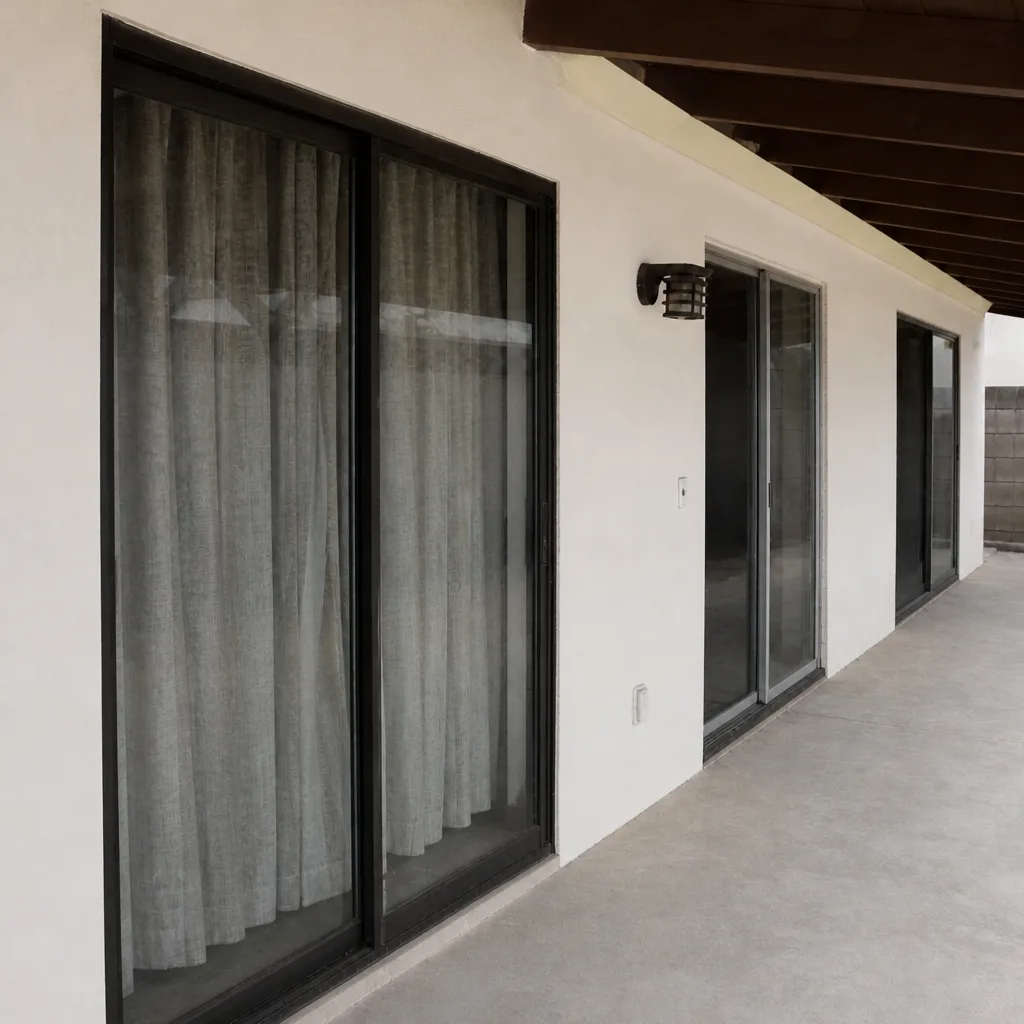
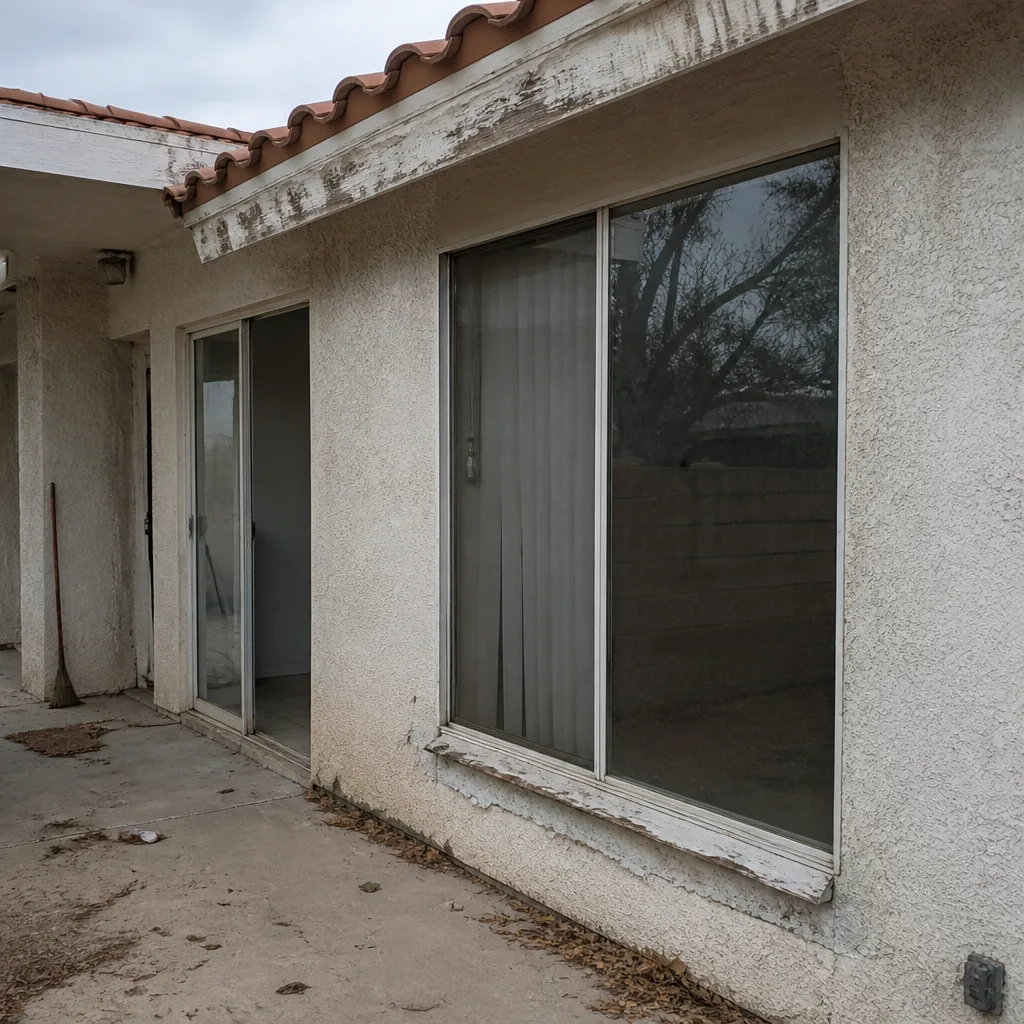
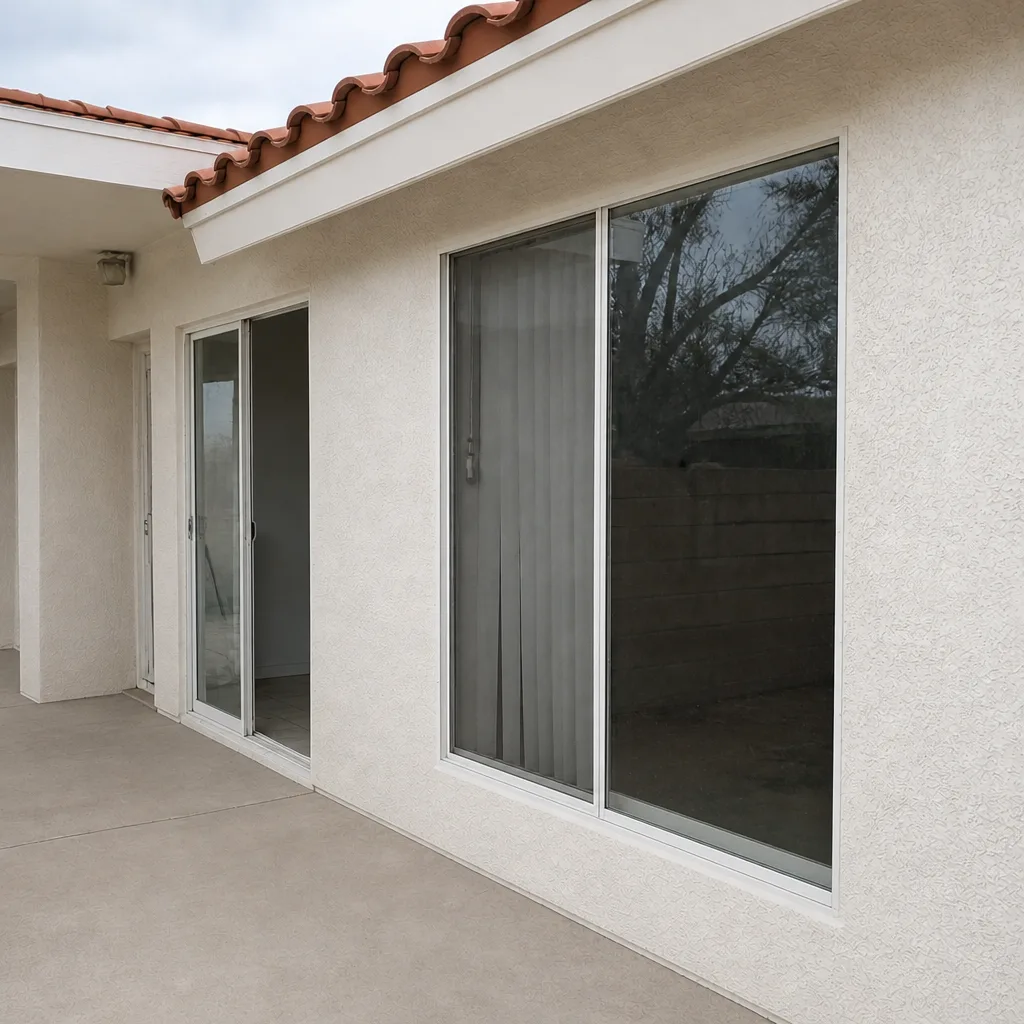
See the difference
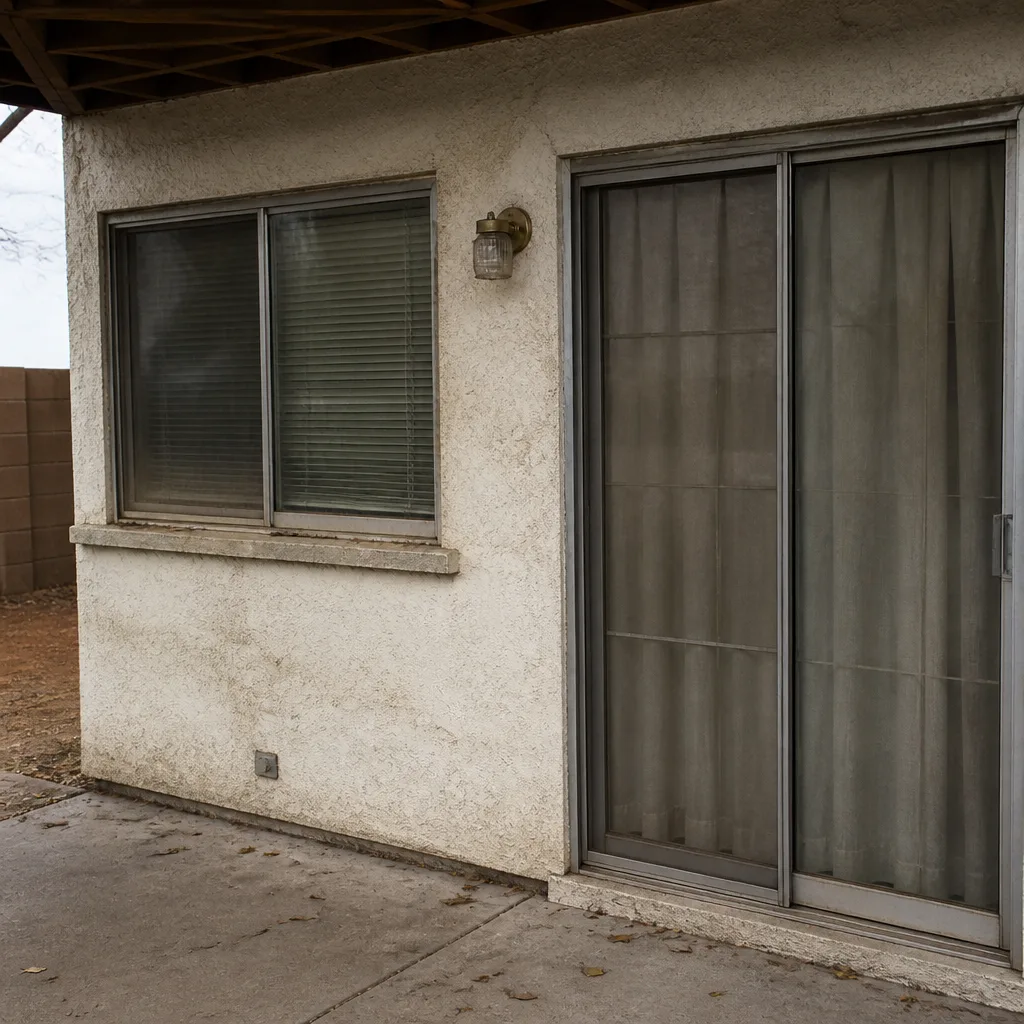 Before
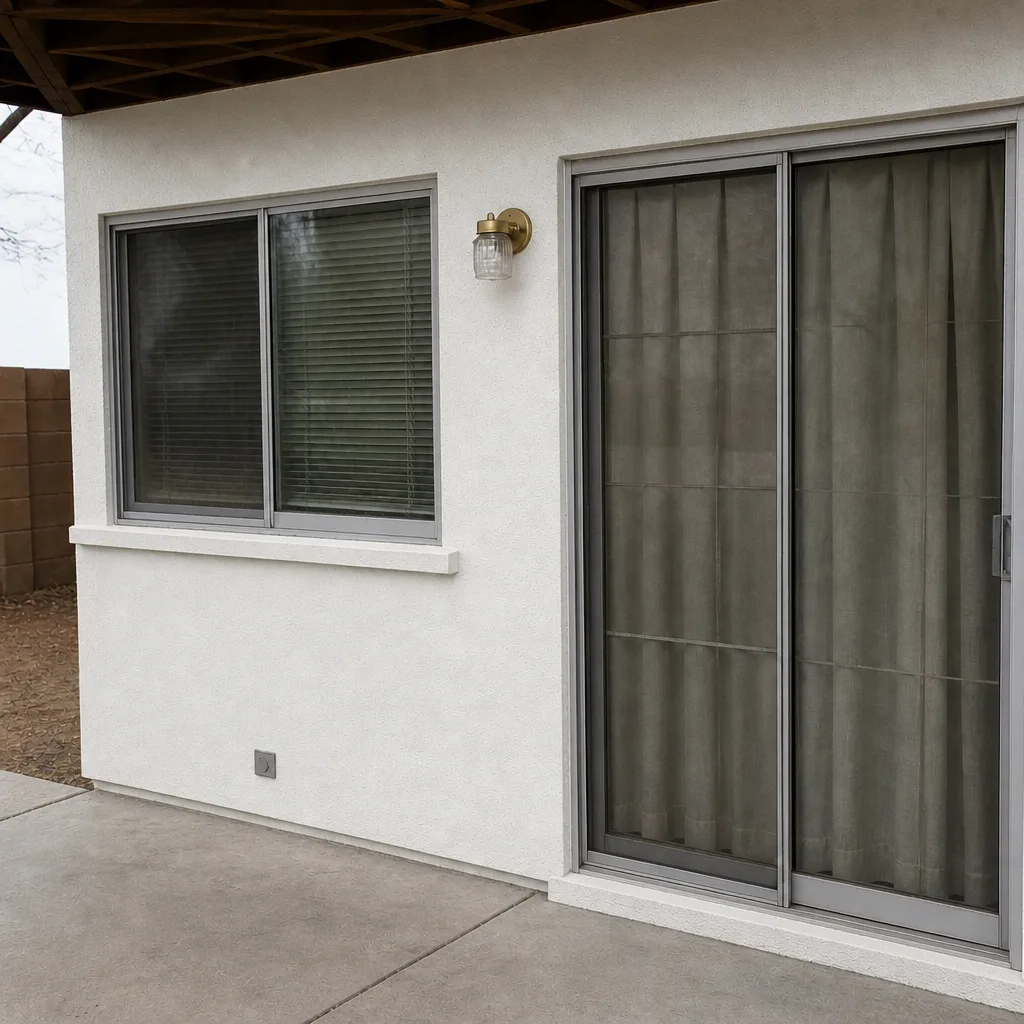 After
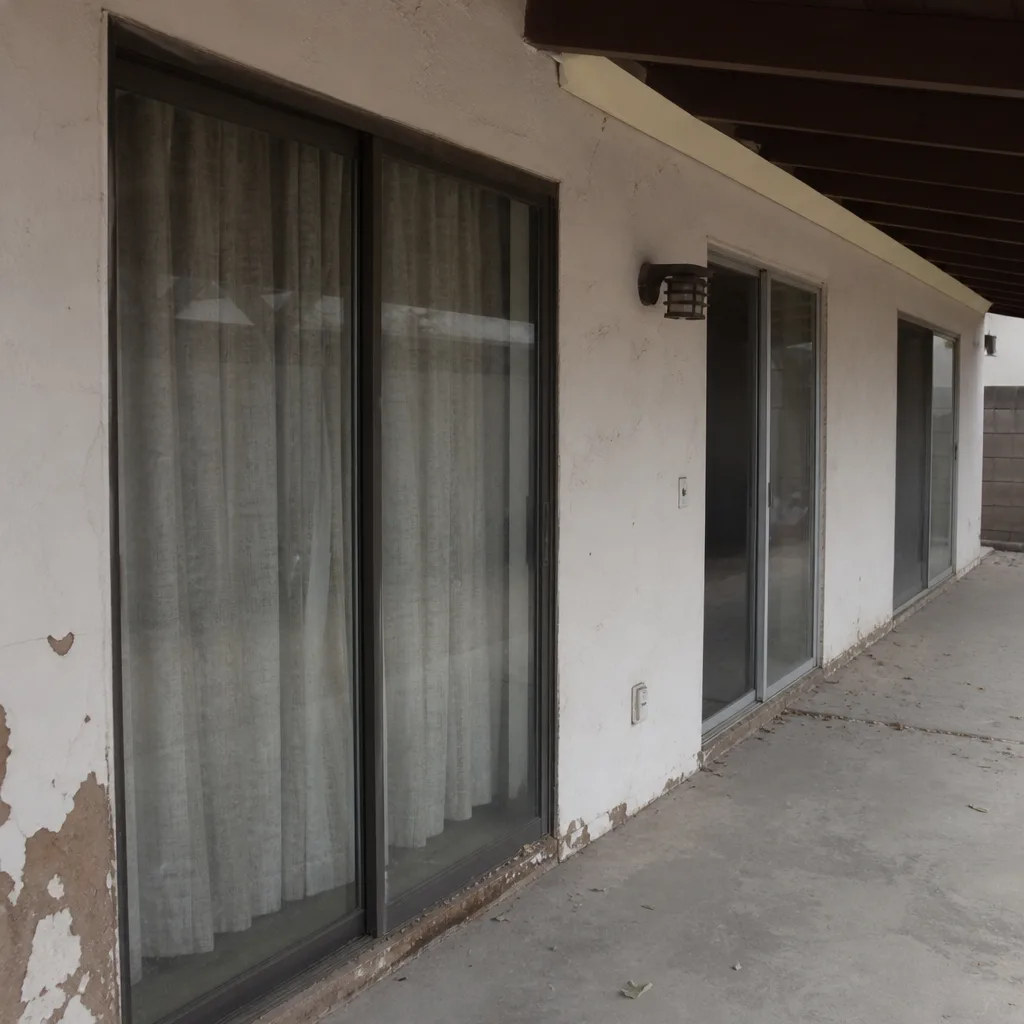 Before
 After
 Before
 After
Frequently Asked Questions
Window replacement in North Las Vegas is priced per job, and the written estimate is what sets the final price. A written line-item quote from us will list the products, model numbers, installation scope, and any HOA-related documentation. Call (844) 560-4723 for an exact quote; estimates are free.
For cooling-dominated Mojave climate, you want the lowest SHGC you can get on west-, south-, and southwest-facing glass. North-facing glass can use a higher SHGC where daylight matters more. The right answer depends on orientation, so be wary of a quote that puts the same glass on every window.
Most likely yes, if your home is in a planned community. Many North Las Vegas HOAs have architectural review rules for exterior changes, and some require the request to be approved before work begins. Gather your association’s guidelines, fill out the request form, and submit the manufacturer spec sheet before ordering. Call (844) 560-4723 if you need product documentation to attach to the request.
Check the Nevada State Contractors Board database by business name, confirm the license is active, and verify the classification covers residential window and door work. Ask for a current certificate of insurance and keep a copy with the contract. Call (844) 560-4723 to ask us about our own licensing before you sign.
Impact-rated windows make sense on exposed properties and on elevations that take strong monsoon-season wind. They’re not mandatory for every home, but if your property sits in an exposed area, impact-rated product is worth pricing alongside energy-focused glass. PGT and CGI both make impact lines we can quote side by side.
A whole-home project usually runs in phases by elevation, and the total timeline depends on how many windows are in the home and whether HOA approval is part of the process. The crew handles removal through final install, so you’re dealing with one team for the whole job. Call (844) 560-4723 for a schedule based on your home; estimates are free.
The Bottom Line
Window replacement in North Las Vegas is a climate decision, not a generic home improvement purchase. Start with SHGC and orientation, not U-factor. Confirm the stucco and block installation details, including flashing and patching. Get HOA approval in hand before you order. Verify the contractor’s Nevada State Contractors Board license and insurance. And replace in the right order: west and southwest first, north-face last. The product matters, and so does the crew. Eight brands, one installation team, one point of accountability: that’s the setup that lets us recommend the right window for your home instead of the one that’s easiest to sell.
Ready to price your project? North Las Vegas Windows & Doors specializes in windows and doors only. Call (844) 560-4723 for a free estimate. We answer 24/7. Fast dispatch from 7am to 7pm, Sunday through Friday. From removal to final install, handled by the same crew.
Written by the team at North Las Vegas Windows & Doors.